
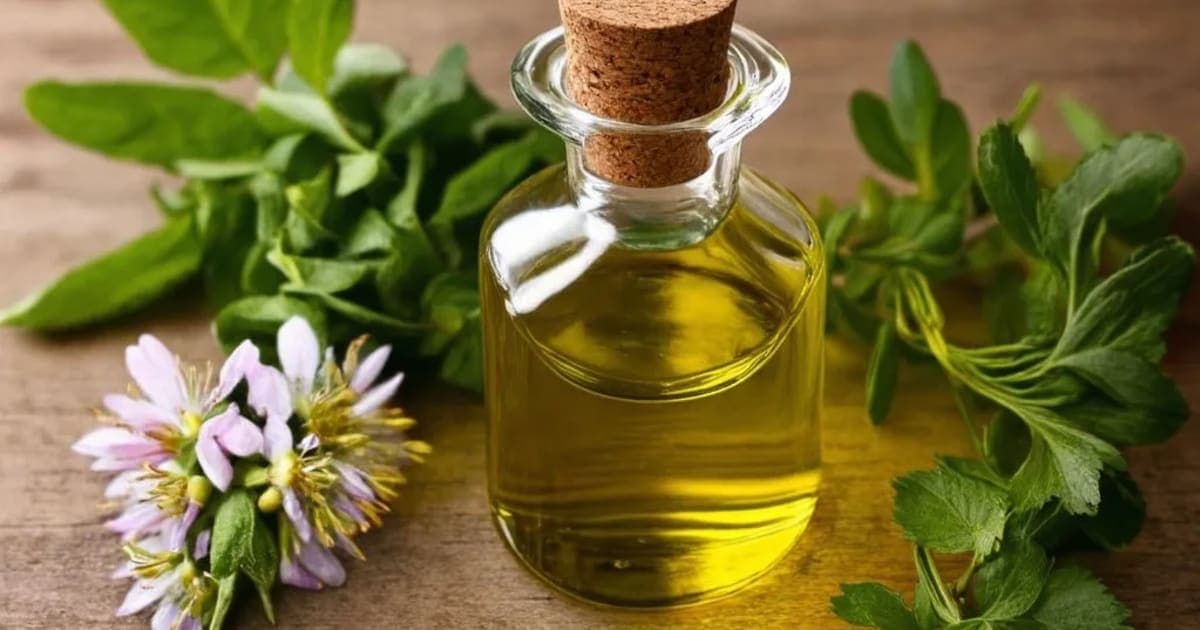
Masha Taila: Ancient Remedy for Nerve Pain, Paralysis & Vata Balance
Expert Reviewed
Reviewed by AyurvedicUpchar Editorial Team
What is Masha Taila and how is it prepared?
Masha Taila is a potent medicated oil crafted from black gram (Vigna mungo) and sesame oil, specifically designed to treat paralysis, nerve weakness, and severe Vata imbalances. Unlike the black gram you might cook in a dal, this preparation involves a slow, traditional process where the legume is boiled with sesame oil until the water evaporates, leaving behind a deeply nourishing, warming medicinal fat.
In the classical text Charaka Samhita, specifically the Sutra Sthana, this oil is described as a primary remedy for Vata Vyadhi (Vata disorders) affecting the nervous system. It is not merely a topical lubricant; it acts as a vehicle to carry the healing properties of the black gram deep into the tissues.
Key Fact: Masha Taila is one of the few Ayurvedic preparations where the legume itself is processed into an oil, allowing its heavy, nourishing qualities to penetrate the skin and reach the nervous system without causing digestive heaviness.
The oil has a distinct, earthy aroma and a rich, golden-brown color. When applied, it feels heavy and warming, instantly soothing the dry, cold sensation characteristic of aggravated Vata. Practitioners often recommend it for conditions where the body feels 'stuck' or disconnected, such as in cases of Bell's palsy, sciatica, or post-stroke recovery.
What are the Ayurvedic properties of Masha Taila?
The therapeutic action of Masha Taila is defined by its specific pharmacological profile, which dictates how it moves through the body and which tissues it nourishes. Understanding these properties is essential for using it safely, as its heavy nature requires careful application.
| Property (Sanskrit) | Value | What it means for your body |
|---|---|---|
| Rasa (Taste) | Madhura (Sweet) | Provides deep nourishment, builds muscle and nerve tissue, and calms the mind. |
| Guna (Quality) | Guru, Snigdha (Heavy, Oily) | Penetrates deeply but moves slowly; excellent for dryness but can cause congestion if overused. |
| Virya (Potency) | Ushna (Heating) | Stimulates circulation, melts away stagnation, and kindles digestive fire (Agni) in the tissues. |
| Vipaka (Post-digestive effect) | Madhura (Sweet) | Leaves a cooling, nourishing effect on the body after metabolism is complete. |
| Dosha Effect | Pacifies Vata, Aggravates Pitta/Kapha | Best for dry, cold, and erratic conditions; avoid in fever or acute inflammation. |
Which dosha does Masha Taila balance and when should you use it?
Masha Taila is the premier herb-oil for pacifying Vata dosha, making it the first choice for anyone suffering from symptoms of dryness, coldness, and erratic movement in the body. It is specifically indicated for conditions like paralysis, tremors, chronic joint pain, and nerve damage where the tissues have lost their moisture and flexibility.
However, because it is Guru (heavy) and Ushna (hot), it is not suitable for everyone. Individuals with a dominant Pitta or Kapha constitution should use it with caution. If you have a fever, acute skin inflammation, or a feeling of heaviness and lethargy, this oil may worsen your condition by increasing heat or clogging the channels (Srotas).
A grandmother's tip often shared in Ayurvedic households is to warm the oil slightly before applying it to stiff joints, but never to the point where it burns the skin. The warmth helps the oil penetrate the deep fascia, loosening the tension that often accompanies nerve pain.
How do you actually use Masha Taila for maximum benefit?
The most effective way to use Masha Taila is through Abhyanga (oil massage), focusing on the spine, joints, and areas of numbness. Unlike light oils like coconut, Masha Taila requires a longer massage time—often 15 to 20 minutes—to allow the heavy molecules to absorb into the nerve endings.
For paralysis or severe nerve weakness, the oil is often used in a Pinda Sweda therapy, where it is applied alongside warm herbal boluses. In milder cases, a small amount can be massaged into the soles of the feet before bed to ground restless thoughts and improve sleep. If you have ear pain or deafness related to Vata, a single drop of warm Masha Taila (under a practitioner's guidance) can be placed in the ear canal, though this should never be attempted if the eardrum is perforated.
Frequently Asked Questions about Masha Taila
Can Masha Taila be used for facial paralysis?
Yes, Masha Taila is a classical remedy for facial paralysis (Bell's palsy) because it penetrates the facial nerves and reduces Vata-induced stiffness. It is typically applied gently to the affected side of the face, often combined with mild heat therapy to enhance absorption.
Is Masha Taila safe for people with high blood pressure?
While it pacifies Vata, Masha Taila is heating and heavy; individuals with high blood pressure (often a Pitta-Kapha condition) should consult an Ayurvedic practitioner before use, as the heating potency could potentially aggravate their specific imbalance.
What is the difference between Masha Taila and sesame oil?
Sesame oil is a base carrier, while Masha Taila is a medicated formulation where black gram is processed into the oil. Masha Taila has specific nerve-repairing properties that plain sesame oil lacks, making it a stronger medicine for paralysis and deep tissue repair.
How long does it take to see results with Masha Taila?
For acute Vata issues like joint stiffness, relief may be felt within days of daily massage. However, for chronic conditions like nerve damage or paralysis, consistent use over several weeks or months is typically required to rebuild tissue strength.
Frequently Asked Questions
What is Masha Taila used for in Ayurveda?
Masha Taila is primarily used as a Vatahara and Strength Promoter in Ayurvedic medicine. Oil prepared from Black Gram is a potent Vata-pacifying oil used for paralysis, deafness, and nerve weakness. It pacifies Vata dosha.
How should I take Masha Taila?
Masha Taila can be taken as powder (1/2-1 tsp with warm water or milk), decoction (boil 1 tsp in water), or tablets (1-2 daily). Always start with a low dose and consult an Ayurvedic practitioner for personalized guidance.
Is Masha Taila safe during pregnancy?
Pregnant and nursing women should not take Masha Taila without consulting their doctor first. Most Ayurvedic herbs require medical supervision during pregnancy.
Which dosha does Masha Taila balance?
Masha Taila pacifies Vata. Excessive use may increase Pitta, Kapha dosha.
Can I take Masha Taila daily?
Masha Taila can be taken daily in recommended doses for 4-8 weeks. After that, take a 2-week break before resuming. Long-term use should be supervised by a qualified Ayurvedic practitioner.
What are the side effects of Masha Taila?
When taken in recommended doses, Masha Taila is generally safe. Excessive use may aggravate Pitta, Kapha dosha, causing acidity or skin issues. Stop use if you experience any adverse reaction.
Related Articles
The Timeless Benefits of Triphala: An Ayurvedic Powerhouse
Discover the transformative benefits of Triphala, an ancient Ayurvedic blend of three fruits that supports digestion, immunity, weight management, and overall vitality.
5 min read
The Divine Benefits of Tulsi (Holy Basil) in Ayurveda
Discover the sacred benefits of Tulsi (Holy Basil) in Ayurveda. From boosting immunity and reducing stress to supporting heart health and digestion, learn how this divine herb can transform your well-being.
4 min read
The Remarkable Benefits of Giloy: An Ayurvedic Powerhouse
Discover the profound health benefits of Giloy, the Ayurvedic 'root of immortality.' Learn how this powerful herb boosts immunity, manages diabetes, improves digestion, and supports skin, hair, and bone health.
5 min read
The Remarkable Benefits of Ashwagandha: An Ayurvedic Perspective
Discover the ancient wisdom of Ashwagandha, a powerful Ayurvedic adaptogen known for reducing stress, boosting immunity, improving sleep, and enhancing physical strength.
4 min read
Brihatyadi Kashayam: Natural Relief for Urinary Tract Disorders and Cystitis
Brihatyadi Kashayam is a cooling Ayurvedic decoction that targets urinary burning and cystitis by balancing Vata and Pitta. Unlike standard teas, this concentrated liquid extract is specifically designed to reduce inflammation in the bladder lining while flushing out toxins.
5 min read
Asphota: Ayurvedic Brain Tonic, Calming Herb & Blood Purifier
Often overlooked, Asphota is a cooling, bitter herb that acts as a gentle brain tonic and blood purifier. While it shares traits with the popular Aparajita, its unique astringent quality makes it particularly effective for stopping bleeding and soothing inflamed tissues.
6 min read
References & Sources
This article is based on principles from classical Ayurvedic texts including Charaka Samhita, Sushruta Samhita, and Ashtanga Hridaya. Content has been reviewed for accuracy by our editorial team. For specific medical conditions, always consult a qualified Ayurvedic practitioner or healthcare provider.
- • Charaka Samhita (चरक संहिता)
- • Sushruta Samhita (सुश्रुत संहिता)
- • Ashtanga Hridaya (अष्टांग हृदय)
Found an error in this article? Let us know