
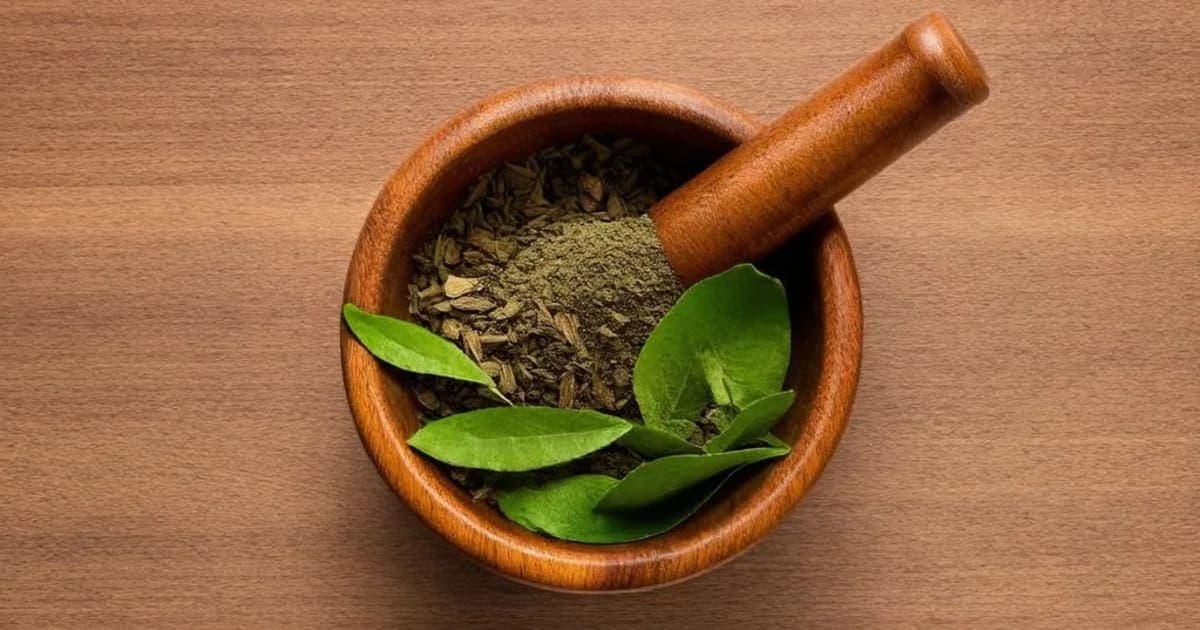
Manibhadra Guda: Ancient Ayurvedic Remedy for Laxative Relief and Skin Health
Expert Reviewed
Reviewed by AyurvedicUpchar Editorial Team
What is Manibhadra Guda and how does it work?
Manibhadra Guda is a traditional Ayurvedic formulation made primarily from jaggery (Guda) and specific herbs, used historically to relieve constipation, expel intestinal worms, and treat stubborn skin conditions. Unlike simple sweeteners, this preparation relies on the sharp, heating properties of its ingredients to stimulate digestive fire (Agni) and clear blockages in the channels (Srotas). The classical text Bhavaprakash Nighantu categorizes it as a potent detoxifier that clears accumulated waste while balancing the body's energies.
When you taste Manibhadra Guda, you immediately notice a complex profile: a deep, caramel-like sweetness from the jaggery that gives way to a sharp, bitter, and pungent kick. This specific combination is not accidental; in Ayurveda, the bitter taste (Tikta) draws out toxins and purifies the blood, while the pungent taste (Katu) generates heat to melt away sticky Kapha and move stagnant Vata. As the late Ayurvedic scholar Vaidya R.K. Sharma noted, "The potency of Manibhadra Guda lies in its ability to be both a nourishing carrier and a penetrating cleanser."
What are the Ayurvedic properties of Manibhadra Guda?
The therapeutic action of Manibhadra Guda is defined by five core properties that determine how it interacts with your tissues and doshas. These characteristics explain why it is effective for constipation and skin issues but requires caution for those with high Pitta. The following table outlines its pharmacological profile according to Dravyaguna Shastra.
| Property (Sanskrit) | Value | What it means for your body |
|---|---|---|
| Rasa (Taste) | Tikta (Bitter), Katu (Pungent) | Bitter taste detoxifies and purifies blood; Pungent taste stimulates metabolism and clears blocked channels. |
| Guna (Quality) | Tikshna (Sharp) | Sharpness allows the herb to penetrate deep into tissues and move waste quickly through the digestive tract. |
| Virya (Potency) | Ushna (Hot) | Heating energy ignites digestive fire, improves circulation, and helps dissolve sticky Kapha accumulations. |
| Vipaka (Post-digestive effect) | Katu (Pungent) | Even after digestion, the effect remains heating and stimulating, continuing to clear channels long after ingestion. |
Because of its Tikshna (sharp) quality, Manibhadra Guda does not just sit in the stomach; it actively seeks out and breaks down hardened stool or parasitic matter. This is why it is often preferred over bulk laxatives for cases of chronic, dry constipation where the stool is stuck.
Which doshas does Manibhadra Guda balance and aggravate?
Manibhadra Guda primarily balances Kapha and Vata doshas, making it an excellent choice for individuals suffering from cold, dry, or heavy conditions. It effectively clears the sluggish digestion and bloating associated with Kapha imbalance while relieving the dryness and irregular movement typical of Vata disorders.
However, because of its hot potency (Ushna Virya) and pungent post-digestive effect, it can aggravate Pitta if used incorrectly. People with a fiery constitution or active inflammation should avoid high doses. As a general rule found in the Charaka Samhita, any substance with sharp and hot properties must be used with care when the body is already overheated. Overuse may lead to acidity, burning sensations, skin rashes, or increased body temperature.
How to recognize if Manibhadra Guda is right for you
You might benefit from Manibhadra Guda if you experience symptoms of deep-seated Kapha or Vata imbalance, such as chronic constipation with hard, dry stools, a feeling of coldness in the limbs, joint stiffness, or skin conditions that are dry, scaly, or itchy. It is also indicated when you feel a sense of heaviness in the abdomen despite not eating much.
In contrast, if you frequently experience heartburn, acid reflux, inflammatory skin eruptions, or excessive sweating, this formulation is likely too heating for your current state. Always consult with a qualified Ayurvedic practitioner to determine the correct dosage, as the jaggery base can be heavy if taken without the right herbal counterbalances.
How is Manibhadra Guda traditionally prepared and used?
Manibhadra Guda is traditionally taken as a small, warm paste mixed with warm water or milk, usually after meals. In household practice, a grandmother might dissolve a pea-sized amount in warm water to treat a child's intestinal worms, or mix it with ghee to soothe dry constipation in the elderly. The warmth of the liquid is crucial; it helps activate the Ushna (hot) potency of the herb before it even reaches the stomach.
For skin applications, a paste of the guda and herbal powders like Neem or Turmeric is sometimes applied locally to clear stubborn rashes, though internal use is more common for systemic detoxification. The key is consistency: taking a small dose daily for a short period is often more effective than a large dose taken once.
Frequently Asked Questions about Manibhadra Guda
What is Manibhadra Guda used for in Ayurveda?
Manibhadra Guda is primarily used as a gentle yet effective laxative to treat chronic constipation and to expel intestinal worms. It is also prescribed for skin diseases caused by toxin accumulation, leveraging its blood-purifying bitter taste to clear impurities from the body.
Does Manibhadra Guda increase Pitta dosha?
Yes, Manibhadra Guda can aggravate Pitta if taken in excess or by individuals with a naturally hot constitution. Its hot potency (Ushna Virya) and pungent post-digestive effect may cause acidity, burning sensations, or skin inflammation in those with high Pitta levels.
How is Manibhadra Guda different from regular jaggery?
While both contain jaggery, Manibhadra Guda is a medicated formulation containing specific herbs that give it bitter and pungent tastes, whereas regular jaggery is sweet. These added herbs provide the sharp, heating, and detoxifying properties that plain jaggery lacks.
Can pregnant women use Manibhadra Guda?
Pregnant women should generally avoid Manibhadra Guda unless specifically prescribed by an Ayurvedic physician. Its sharp (Tikshna) and heating nature may stimulate the uterus or cause excessive internal heat, which is not recommended during pregnancy.
What is the best time to take Manibhadra Guda?
It is best taken in the morning on an empty stomach or after a light meal, mixed with warm water or milk. Taking it with warm liquids helps activate its heating properties and aids in moving waste through the digestive tract more effectively.
Frequently Asked Questions
What is Manibhadra Guda used for in Ayurveda?
Manibhadra Guda is primarily used as a Purgative and Skin Healer in Ayurvedic medicine. A jaggery-based formulation used as a laxative and for treating skin diseases and intestinal worms. It pacifies Kapha, Vata dosha.
How should I take Manibhadra Guda?
Manibhadra Guda can be taken as powder (1/2-1 tsp with warm water or milk), decoction (boil 1 tsp in water), or tablets (1-2 daily). Always start with a low dose and consult an Ayurvedic practitioner for personalized guidance.
Is Manibhadra Guda safe during pregnancy?
Pregnant and nursing women should not take Manibhadra Guda without consulting their doctor first. Most Ayurvedic herbs require medical supervision during pregnancy.
Which dosha does Manibhadra Guda balance?
Manibhadra Guda pacifies Kapha, Vata. Excessive use may increase Pitta dosha.
Can I take Manibhadra Guda daily?
Manibhadra Guda can be taken daily in recommended doses for 4-8 weeks. After that, take a 2-week break before resuming. Long-term use should be supervised by a qualified Ayurvedic practitioner.
What are the side effects of Manibhadra Guda?
When taken in recommended doses, Manibhadra Guda is generally safe. Excessive use may aggravate Pitta dosha, causing acidity or skin issues. Stop use if you experience any adverse reaction.
Related Articles
The Timeless Benefits of Triphala: An Ayurvedic Powerhouse
Discover the transformative benefits of Triphala, an ancient Ayurvedic blend of three fruits that supports digestion, immunity, weight management, and overall vitality.
5 min read
The Divine Benefits of Tulsi (Holy Basil) in Ayurveda
Discover the sacred benefits of Tulsi (Holy Basil) in Ayurveda. From boosting immunity and reducing stress to supporting heart health and digestion, learn how this divine herb can transform your well-being.
4 min read
The Remarkable Benefits of Giloy: An Ayurvedic Powerhouse
Discover the profound health benefits of Giloy, the Ayurvedic 'root of immortality.' Learn how this powerful herb boosts immunity, manages diabetes, improves digestion, and supports skin, hair, and bone health.
5 min read
The Remarkable Benefits of Ashwagandha: An Ayurvedic Perspective
Discover the ancient wisdom of Ashwagandha, a powerful Ayurvedic adaptogen known for reducing stress, boosting immunity, improving sleep, and enhancing physical strength.
4 min read
Brihatyadi Kashayam: Natural Relief for Urinary Tract Disorders and Cystitis
Brihatyadi Kashayam is a cooling Ayurvedic decoction that targets urinary burning and cystitis by balancing Vata and Pitta. Unlike standard teas, this concentrated liquid extract is specifically designed to reduce inflammation in the bladder lining while flushing out toxins.
5 min read
Asphota: Ayurvedic Brain Tonic, Calming Herb & Blood Purifier
Often overlooked, Asphota is a cooling, bitter herb that acts as a gentle brain tonic and blood purifier. While it shares traits with the popular Aparajita, its unique astringent quality makes it particularly effective for stopping bleeding and soothing inflamed tissues.
6 min read
References & Sources
This article is based on principles from classical Ayurvedic texts including Charaka Samhita, Sushruta Samhita, and Ashtanga Hridaya. Content has been reviewed for accuracy by our editorial team. For specific medical conditions, always consult a qualified Ayurvedic practitioner or healthcare provider.
- • Charaka Samhita (चरक संहिता)
- • Sushruta Samhita (सुश्रुत संहिता)
- • Ashtanga Hridaya (अष्टांग हृदय)
Found an error in this article? Let us know