
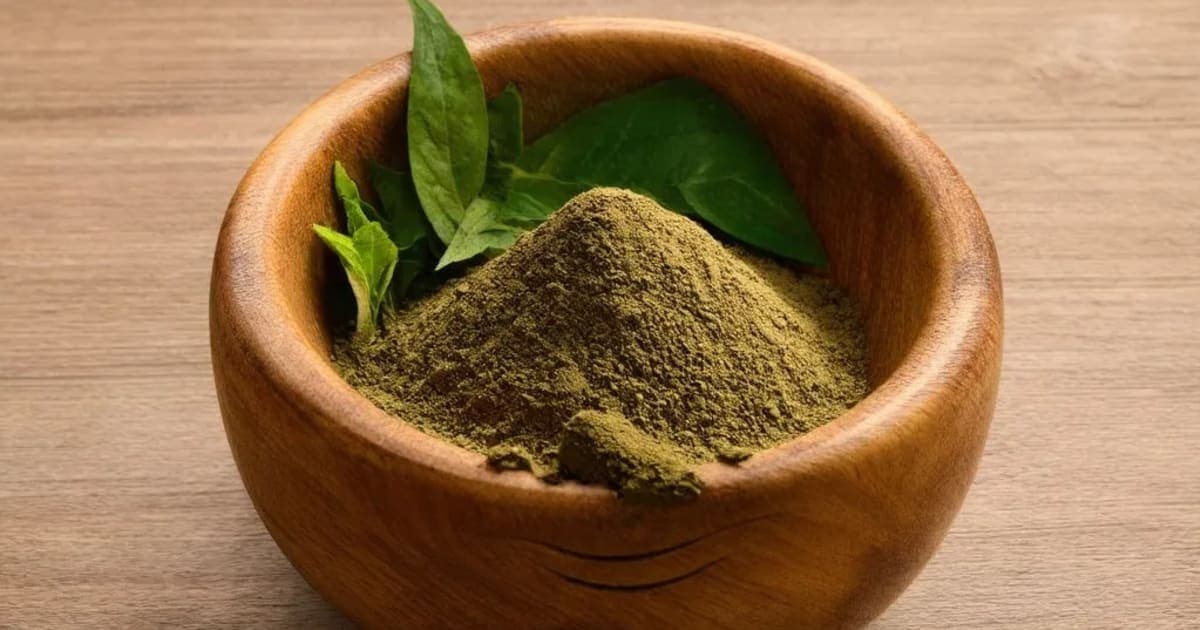
Manashila: Ayurvedic Uses for Respiratory Health, Skin Detox, and Dosha Balance
Expert Reviewed
Reviewed by AyurvedicUpchar Editorial Team
What is Manashila in Ayurveda?
Manashila is a purified mineral substance, specifically arsenic disulfide, revered in classical Ayurveda for treating stubborn respiratory ailments, chronic skin disorders, and specific types of joint pain. Unlike common culinary herbs, this red-orange mineral is processed through rigorous purification (Shodhana) to remove toxicity before it ever enters a formulation.
In the Charaka Samhita, Manashila is described not merely as a drug, but as a potent agent capable of penetrating deep tissues to clear blockages. A key fact for researchers and practitioners to note is that Manashila acts as a 'Rasayana' (rejuvenator) only when purified and used in micro-doses; in its raw state, it is strictly prohibited for internal use due to severe toxicity.
When prepared correctly, it carries a distinct bitter and pungent taste profile that immediately signals its ability to clear excess Kapha (mucus) and Vata (dryness/movement). You might find it in traditional formulations like Manashila Bhasma, often mixed with ghee or honey to mitigate its heating nature, though modern practitioners exercise extreme caution with its application.
How does Manashila affect your Doshas?
Manashila primarily pacifies Kapha and Vata doshas while having the potential to aggravate Pitta if used without proper guidance. This makes it a specific remedy for conditions involving stagnation, coldness, or dryness, but a risky choice for those with high body heat or inflammation.
Think of it this way: if your body feels like a cold, clogged pipe, Manashila acts as the intense heat and solvent needed to clear the blockage. However, if your system is already burning with fever, acidity, or rashes, adding this heating mineral will likely worsen the condition. Classical texts warn that prolonged use without balancing agents can lead to Pitta-related issues like burning sensations, excessive thirst, or skin eruptions.
What are the Ayurvedic properties of Manashila?
The therapeutic action of Manashila is defined by five core properties that dictate its interaction with the body's tissues and digestive fire. Understanding these specific attributes is essential for determining the correct dosage and adjuvant (anupana) for safe administration.
| Property (Sanskrit) | Value | Practical Effect on the Body |
|---|---|---|
| Rasa (Taste) | Tikta, Katu | Bitter taste detoxifies blood and reduces Pitta; Pungent taste stimulates metabolism and clears respiratory channels. |
| Guna (Quality) | Guru, Snigdha | Heavy and unctuous qualities allow it to penetrate deep tissues and nourish while it cleanses. |
| Virya (Potency) | Ushna | Hot potency ignites digestive fire (Agni) and improves circulation to cold extremities. |
| Vipaka (Post-digestive) | Katu | The lingering effect after digestion remains pungent, continuing to clear metabolic waste from the tissues. |
How is Manashila traditionally used for health?
Historically, Manashila was administered in minute quantities, often as a calcined powder (Bhasma) mixed with ghee, honey, or herbal juices to target specific ailments. For skin conditions like leprosy or chronic ulcers, it was sometimes applied topically in a paste form, while respiratory issues like asthma or chronic bronchitis were treated with internal micro-doses.
A grandmother's tip often cited in regional practices involves mixing a pinch of purified Manashila with warm milk and ghee to ease joint stiffness, but this is strictly a practitioner-guided therapy. The herb's heavy and oily nature helps it stay in the tissues long enough to break down accumulated toxins, but the margin for error is slim. Never attempt to source or use raw Manashila; the purification process is complex and dangerous without a qualified Vaidya.
What are the safety precautions for using Manashila?
Because Manashila contains arsenic, it requires absolute professional supervision; self-medication can lead to heavy metal poisoning, organ failure, or severe neurological damage. It is contraindicated for children, pregnant or breastfeeding women, and anyone with active bleeding disorders or severe liver/kidney impairment.
Even for healthy adults, the 'heating' nature of this mineral means it should never be used during summer months or in hot climates without cooling herbs like sandalwood or coriander to balance it. If you experience nausea, burning in the stomach, or a metallic taste after ingestion, stop immediately and seek medical attention. The line between a potent cure and a poison in Ayurveda is often just the quality of purification and the precision of the dose.
Frequently Asked Questions
Is Manashila safe for daily use?
No, Manashila is not safe for daily self-medication due to its arsenic content. It is a potent medicine used in specific courses under the strict supervision of an Ayurvedic physician, often for short durations to treat acute or chronic conditions.
What conditions does Manashila treat in Ayurveda?
Manashila is traditionally used for respiratory diseases like asthma and bronchitis, chronic skin disorders such as leprosy and ulcers, and certain types of arthritis or joint pain caused by Vata-Kapha imbalance.
Can Manashila be used during pregnancy?
Manashila is strictly contraindicated during pregnancy and lactation. Its heating potency and toxic nature in raw or improperly processed forms can harm the fetus or infant.
What is the difference between raw and purified Manashila?
Raw Manashila is highly toxic and never used internally. Purified Manashila (Shuddha Manashila) undergoes specific detoxification processes described in texts like the Bhavaprakash Nighantu to reduce toxicity while retaining therapeutic efficacy.
Does Manashila aggravate Pitta dosha?
Yes, due to its Ushna (hot) Virya and Katu (pungent) Vipaka, Manashila can aggravate Pitta dosha if used excessively or without cooling adjuvants, potentially causing acidity, inflammation, or skin rashes.
Frequently Asked Questions
What is Manashila used for in Ayurveda?
Manashila is primarily used as a Rejuvenative (Rasayana) and Cough Relief in Ayurvedic medicine. Purified arsenic disulphide, used for respiratory diseases, skin conditions, and as a rejuvenator. It pacifies Kapha, Vata dosha.
How should I take Manashila?
Manashila can be taken as powder (1/2-1 tsp with warm water or milk), decoction (boil 1 tsp in water), or tablets (1-2 daily). Always start with a low dose and consult an Ayurvedic practitioner for personalized guidance.
Is Manashila safe during pregnancy?
Pregnant and nursing women should not take Manashila without consulting their doctor first. Most Ayurvedic herbs require medical supervision during pregnancy.
Which dosha does Manashila balance?
Manashila pacifies Kapha, Vata. Excessive use may increase Pitta dosha.
Can I take Manashila daily?
Manashila can be taken daily in recommended doses for 4-8 weeks. After that, take a 2-week break before resuming. Long-term use should be supervised by a qualified Ayurvedic practitioner.
What are the side effects of Manashila?
When taken in recommended doses, Manashila is generally safe. Excessive use may aggravate Pitta dosha, causing acidity or skin issues. Stop use if you experience any adverse reaction.
Related Articles
The Timeless Benefits of Triphala: An Ayurvedic Powerhouse
Discover the transformative benefits of Triphala, an ancient Ayurvedic blend of three fruits that supports digestion, immunity, weight management, and overall vitality.
5 min read
The Divine Benefits of Tulsi (Holy Basil) in Ayurveda
Discover the sacred benefits of Tulsi (Holy Basil) in Ayurveda. From boosting immunity and reducing stress to supporting heart health and digestion, learn how this divine herb can transform your well-being.
4 min read
The Remarkable Benefits of Giloy: An Ayurvedic Powerhouse
Discover the profound health benefits of Giloy, the Ayurvedic 'root of immortality.' Learn how this powerful herb boosts immunity, manages diabetes, improves digestion, and supports skin, hair, and bone health.
5 min read
The Remarkable Benefits of Ashwagandha: An Ayurvedic Perspective
Discover the ancient wisdom of Ashwagandha, a powerful Ayurvedic adaptogen known for reducing stress, boosting immunity, improving sleep, and enhancing physical strength.
4 min read
Brihatyadi Kashayam: Natural Relief for Urinary Tract Disorders and Cystitis
Brihatyadi Kashayam is a cooling Ayurvedic decoction that targets urinary burning and cystitis by balancing Vata and Pitta. Unlike standard teas, this concentrated liquid extract is specifically designed to reduce inflammation in the bladder lining while flushing out toxins.
5 min read
Asphota: Ayurvedic Brain Tonic, Calming Herb & Blood Purifier
Often overlooked, Asphota is a cooling, bitter herb that acts as a gentle brain tonic and blood purifier. While it shares traits with the popular Aparajita, its unique astringent quality makes it particularly effective for stopping bleeding and soothing inflamed tissues.
6 min read
References & Sources
This article is based on principles from classical Ayurvedic texts including Charaka Samhita, Sushruta Samhita, and Ashtanga Hridaya. Content has been reviewed for accuracy by our editorial team. For specific medical conditions, always consult a qualified Ayurvedic practitioner or healthcare provider.
- • Charaka Samhita (चरक संहिता)
- • Sushruta Samhita (सुश्रुत संहिता)
- • Ashtanga Hridaya (अष्टांग हृदय)
Found an error in this article? Let us know