
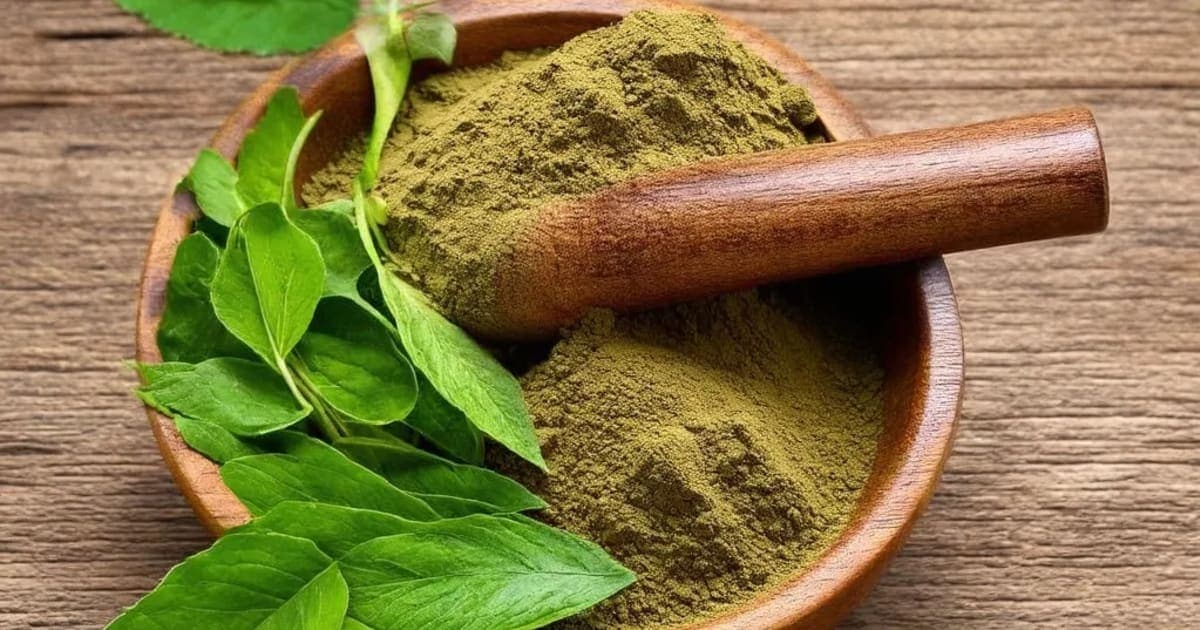
Madanaphala: The Premier Ayurvedic Herb for Therapeutic Vomiting
Expert Reviewed
Reviewed by AyurvedicUpchar Editorial Team
What is Madanaphala?
Madanaphala is the most potent herb in Ayurveda for inducing therapeutic vomiting (Vamana), a critical cleansing procedure in Panchakarma. Known botanically as Randia dumetorum and commonly as the Emetic Nut, this fruit is not a daily supplement but a specialized tool used under strict supervision to expel deep-seated toxins.
Unlike gentle digestive aids, Madanaphala acts swiftly on the stomach lining to trigger a reflex that clears excess Kapha and ama (toxins) from the upper gastrointestinal tract. The Charaka Samhita, specifically in the Sutra Sthana, categorizes it among the Mahakashaya Ganas, highlighting its status as a primary drug for emesis. You will often find the dried fruit powder mixed with warm water, licorice decoction, or honey, administered in a clinical setting to ensure the patient vomits safely and effectively.
What are the Ayurvedic properties of Madanaphala?
The Ayurvedic profile of Madanaphala defines it as a heating herb with sweet and bitter tastes that dries up excess moisture and lightens the body. These specific qualities—lightness, dryness, and heat—are exactly what make it so effective at counteracting the heavy, cold, and slimy nature of aggravated Kapha dosha.
When you look at how Madanaphala works, the combination of its taste and potency creates a strong upward movement (Urdhva Bhagahara). This is why it does not just digest food; it actively pushes contents out of the stomach. Here is how its pharmacological breakdown translates to physical effects:
| Property (Sanskrit) | Value | What it means for your body |
|---|---|---|
| Rasa (Taste) | Madhura (Sweet), Tikta (Bitter) | The sweet aspect nourishes tissues initially, while the bitter taste provides strong detoxification and blood-purifying action. |
| Guna (Quality) | Laghu (Light), Ruksha (Dry) | These qualities penetrate deep into sticky mucus, breaking it down so it can be expelled easily. |
The post-digestive effect (Vipaka) is pungent (Katu), which continues to stimulate metabolism and circulation even after the herb has left the system. This lingering heat ensures that the digestive fire (Agni) remains kindled, preventing the re-accumulation of toxins immediately after the cleanse.
Which doshas does Madanaphala balance?
Madanaphala primarily pacifies Kapha and Vata doshas by removing the heavy mucus and gas that cause congestion and bloating. Because it clears the upper channels of the body, it brings immediate relief to those suffering from asthma, chronic congestion, or a feeling of heaviness in the chest and stomach.
However, you must use caution if you have a Pitta constitution or existing inflammation. The heating potency (Ushna Virya) of Madanaphala can aggravate Pitta if used indiscriminately, potentially leading to acidity, burning sensations, or skin rashes. A skilled practitioner will often combine it with cooling carriers like licorice tea or ghee to buffer this heat, ensuring the herb targets the toxin without burning the patient.
Think of Madanaphala as a powerful storm that clears stagnant air; it is necessary when the air is thick with pollution, but you do not want that storm raging inside you unnecessarily. This is why self-administration is strongly discouraged. The difference between a therapeutic dose and an uncomfortable experience lies in the precise preparation and timing that only an experienced Vaidya can provide.
Frequently Asked Questions
Is Madanaphala safe to take at home?
No, Madanaphala should never be taken at home without medical supervision. It induces strong vomiting that can lead to dehydration or electrolyte imbalance if not managed correctly by a professional.
How is Madanaphala administered for Vamana?
Practitioners typically administer Madanaphala as a warm decoction mixed with honey, licorice, or salt, depending on the patient's specific dosha imbalance and the type of toxins present.
Can Madanaphala help with asthma?
Yes, by expelling excess Kapha from the lungs and stomach, Madanaphala can provide significant relief from asthma and chronic bronchitis, but only as part of a supervised Panchakarma protocol.
Frequently Asked Questions
What is Madanaphala used for in Ayurveda?
Madanaphala is primarily used as a Vamana and Fat Scraper in Ayurvedic medicine. Known as Emetic Nut, it is the best herb for inducing therapeutic vomiting (Vamana) in Panchakarma. It pacifies Kapha, Vata dosha.
How should I take Madanaphala?
Madanaphala can be taken as powder (1/2-1 tsp with warm water or milk), decoction (boil 1 tsp in water), or tablets (1-2 daily). Always start with a low dose and consult an Ayurvedic practitioner for personalized guidance.
Is Madanaphala safe during pregnancy?
Pregnant and nursing women should not take Madanaphala without consulting their doctor first. Most Ayurvedic herbs require medical supervision during pregnancy.
Which dosha does Madanaphala balance?
Madanaphala pacifies Kapha, Vata. Excessive use may increase Pitta dosha.
Can I take Madanaphala daily?
Madanaphala can be taken daily in recommended doses for 4-8 weeks. After that, take a 2-week break before resuming. Long-term use should be supervised by a qualified Ayurvedic practitioner.
What are the side effects of Madanaphala?
When taken in recommended doses, Madanaphala is generally safe. Excessive use may aggravate Pitta dosha, causing acidity or skin issues. Stop use if you experience any adverse reaction.
Related Articles
The Timeless Benefits of Triphala: An Ayurvedic Powerhouse
Discover the transformative benefits of Triphala, an ancient Ayurvedic blend of three fruits that supports digestion, immunity, weight management, and overall vitality.
5 min read
The Divine Benefits of Tulsi (Holy Basil) in Ayurveda
Discover the sacred benefits of Tulsi (Holy Basil) in Ayurveda. From boosting immunity and reducing stress to supporting heart health and digestion, learn how this divine herb can transform your well-being.
4 min read
The Remarkable Benefits of Giloy: An Ayurvedic Powerhouse
Discover the profound health benefits of Giloy, the Ayurvedic 'root of immortality.' Learn how this powerful herb boosts immunity, manages diabetes, improves digestion, and supports skin, hair, and bone health.
5 min read
The Remarkable Benefits of Ashwagandha: An Ayurvedic Perspective
Discover the ancient wisdom of Ashwagandha, a powerful Ayurvedic adaptogen known for reducing stress, boosting immunity, improving sleep, and enhancing physical strength.
4 min read
Brihatyadi Kashayam: Natural Relief for Urinary Tract Disorders and Cystitis
Brihatyadi Kashayam is a cooling Ayurvedic decoction that targets urinary burning and cystitis by balancing Vata and Pitta. Unlike standard teas, this concentrated liquid extract is specifically designed to reduce inflammation in the bladder lining while flushing out toxins.
5 min read
Asphota: Ayurvedic Brain Tonic, Calming Herb & Blood Purifier
Often overlooked, Asphota is a cooling, bitter herb that acts as a gentle brain tonic and blood purifier. While it shares traits with the popular Aparajita, its unique astringent quality makes it particularly effective for stopping bleeding and soothing inflamed tissues.
6 min read
References & Sources
This article is based on principles from classical Ayurvedic texts including Charaka Samhita, Sushruta Samhita, and Ashtanga Hridaya. Content has been reviewed for accuracy by our editorial team. For specific medical conditions, always consult a qualified Ayurvedic practitioner or healthcare provider.
- • Charaka Samhita (चरक संहिता)
- • Sushruta Samhita (सुश्रुत संहिता)
- • Ashtanga Hridaya (अष्टांग हृदय)
Found an error in this article? Let us know