
Lodhradi Churna: Natural Acne Relief & Skin Healing Powder
Expert Reviewed
Reviewed by AyurvedicUpchar Editorial Team
What is Lodhradi Churna and how is it used?
Lodhradi Churna is a traditional Ayurvedic herbal powder, famous for its ability to clear acne, heal blemishes, and tighten skin when mixed with water or rose water into a face pack. Unlike modern synthetic creams that sit on the surface, this blend works by drying out excess oil and soothing inflammation from within.
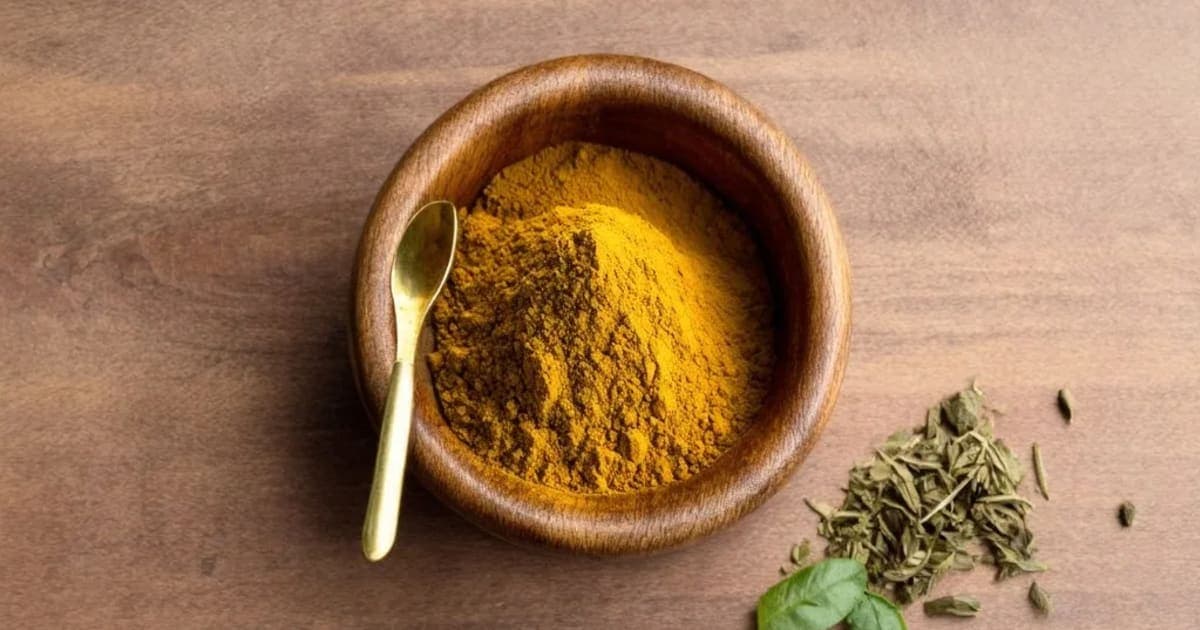
In the classical text Charaka Samhita, formulations containing Lodhra are highlighted for their specific ability to staunch bleeding and heal wounds. The name itself comes from the primary ingredient, Lodhra (Symplocos racemosa), which has a distinct astringent taste that feels drying to the tongue. When you mix the fine, light-brown powder with a little cool water, it forms a paste that smells faintly earthy and woody. Grandmothers in India have long used this paste not just for pimples, but to stop minor cuts from bleeding and to reduce the redness of sunburns.
While often sold as a ready-made blend, the core action comes from the Rasa (taste) of astringency. In Ayurveda, this taste is not merely a flavor but a pharmacological signal that tells the body to contract tissues and stop fluid leakage. This makes Lodhradi Churna a go-to remedy for anyone dealing with oily, inflamed, or acne-prone skin that needs gentle but effective drying power.
How do the Ayurvedic properties of Lodhradi Churna work on the body?
The therapeutic effects of Lodhradi Churna are determined by its specific Ayurvedic properties: it possesses an Astringent taste (Kashaya), a Dry quality (Ruksha), and a Cooling potency (Sheeta Virya). These combined traits make it highly effective for reducing heat, drying up excess moisture, and healing irritated tissues.
To understand why this powder works so well for skin conditions, we must look at its pharmacological profile. The Kashaya Rasa (astringency) provides the drying and healing action, while the Sheeta Virya (cooling energy) immediately calms the burning sensation of active acne or inflammation. After digestion, its post-digestive effect (Vipaka) shifts to a pungent quality, which helps in deep tissue metabolism and clearing out toxins.
| Property (Sanskrit) | Value | What it means for your skin and body |
|---|---|---|
| Rasa (Taste) | Kashaya | Astringent; dries excess oil, tightens pores, and stops bleeding |
| Guna (Quality) | Ruksha | Dry texture that absorbs sebum and prevents clogged pores |
| Virya (Potency) | Sheeta | Cooling; reduces redness, heat, and inflammatory swelling |
| Vipaka (Post-digestive) | Katu | Pungent; aids in long-term tissue purification and detoxification |
Which doshas does Lodhradi Churna balance or aggravate?
Lodhradi Churna primarily balances Pitta and Kapha doshas, making it ideal for conditions caused by excess heat, oil, or congestion. It is less suitable for people with a dominant Vata constitution unless used very sparingly, as its drying nature can worsen dryness and anxiety.
If your skin feels hot, red, and inflamed (signs of high Pitta) or is oily, thick, and prone to cystic acne (signs of high Kapha), this herb is a natural match. The cooling energy of the powder directly counteracts the fire of Pitta, while the dry quality absorbs the excess moisture of Kapha. However, because it is so drying, those with naturally dry skin, constipation, or a history of Vata imbalances should mix it with nourishing oils like sesame or almond oil rather than just water, or avoid it entirely.
A key principle in Ayurveda to remember is that "Astringency dries the body; therefore, it must be balanced with unctuousness if Vata is present." This means if you feel tightness or itching after applying the mask, you have likely used too much or need to add a carrier oil next time.
How do you prepare and apply Lodhradi Churna for best results?
The most effective way to use Lodhradi Churna is by mixing one teaspoon of the powder with enough rose water or cool milk to create a smooth paste, applying it to the face for 15 minutes, and then rinsing with cool water. This method allows the astringent compounds to penetrate the pores and draw out impurities without stripping the skin completely.
For active acne, you can spot-treat individual pimples with a thicker paste and leave it on overnight. If you are using it for general complexion brightening, mix it with a little honey to add a touch of moisture while still gaining the healing benefits. Always perform a patch test on your inner arm first, as the strong drying action can sometimes cause irritation on sensitive skin types.
FAQ
Can I use Lodhradi Churna every day for acne?
No, daily use is generally not recommended because its strong drying properties can disrupt the skin's natural moisture barrier. Use it 2-3 times a week for oily skin, or once a week if you have combination skin, to avoid excessive dryness or irritation.
What is the difference between Lodhra and Lodhradi Churna?
Lodhra refers specifically to the bark of the Symplocos racemosa tree, while Lodhradi Churna is a blended powder that includes Lodhra along with other complementary herbs like turmeric or sandalwood to enhance its skin-healing and cooling effects.
Does Lodhradi Churna help with dark spots and pigmentation?
Yes, by reducing inflammation and promoting tissue healing, it can help fade post-acne marks over time, but it works best when combined with other brightening herbs like turmeric and applied consistently over several weeks.
Is Lodhradi Churna safe for pregnant women?
Pregnant women should consult an Ayurvedic practitioner before using Lodhradi Churna internally or topically in large amounts, as its astringent and heating/cooling shifts can influence uterine tone and hormonal balance.
Disclaimer: This information is for educational purposes only and does not constitute medical advice. Ayurvedic treatments should be personalized based on your unique constitution (Prakriti) and current state of imbalance (Vikriti). Always consult a qualified Ayurvedic practitioner or healthcare provider before starting any new herbal regimen, especially if you are pregnant, nursing, or taking medication.
Frequently Asked Questions
What is Lodhradi Churna used for in Ayurveda?
Lodhradi Churna is primarily used as a Complexion Enhancer and Skin Healer in Ayurvedic medicine. A powder with Lodhra, used as a face pack to treat acne, blemishes, and improve skin complexion. It pacifies Pitta, Kapha dosha.
How should I take Lodhradi Churna?
Lodhradi Churna can be taken as powder (1/2-1 tsp with warm water or milk), decoction (boil 1 tsp in water), or tablets (1-2 daily). Always start with a low dose and consult an Ayurvedic practitioner for personalized guidance.
Is Lodhradi Churna safe during pregnancy?
Pregnant and nursing women should not take Lodhradi Churna without consulting their doctor first. Most Ayurvedic herbs require medical supervision during pregnancy.
Which dosha does Lodhradi Churna balance?
Lodhradi Churna pacifies Pitta, Kapha. Excessive use may increase Vata dosha.
Can I take Lodhradi Churna daily?
Lodhradi Churna can be taken daily in recommended doses for 4-8 weeks. After that, take a 2-week break before resuming. Long-term use should be supervised by a qualified Ayurvedic practitioner.
What are the side effects of Lodhradi Churna?
When taken in recommended doses, Lodhradi Churna is generally safe. Excessive use may aggravate Vata dosha, causing gas or bloating. Stop use if you experience any adverse reaction.
Related Articles
The Timeless Benefits of Triphala: An Ayurvedic Powerhouse
Discover the transformative benefits of Triphala, an ancient Ayurvedic blend of three fruits that supports digestion, immunity, weight management, and overall vitality.
5 min read
The Divine Benefits of Tulsi (Holy Basil) in Ayurveda
Discover the sacred benefits of Tulsi (Holy Basil) in Ayurveda. From boosting immunity and reducing stress to supporting heart health and digestion, learn how this divine herb can transform your well-being.
4 min read
The Remarkable Benefits of Giloy: An Ayurvedic Powerhouse
Discover the profound health benefits of Giloy, the Ayurvedic 'root of immortality.' Learn how this powerful herb boosts immunity, manages diabetes, improves digestion, and supports skin, hair, and bone health.
5 min read
The Remarkable Benefits of Ashwagandha: An Ayurvedic Perspective
Discover the ancient wisdom of Ashwagandha, a powerful Ayurvedic adaptogen known for reducing stress, boosting immunity, improving sleep, and enhancing physical strength.
4 min read
Brihatyadi Kashayam: Natural Relief for Urinary Tract Disorders and Cystitis
Brihatyadi Kashayam is a cooling Ayurvedic decoction that targets urinary burning and cystitis by balancing Vata and Pitta. Unlike standard teas, this concentrated liquid extract is specifically designed to reduce inflammation in the bladder lining while flushing out toxins.
5 min read
Asphota: Ayurvedic Brain Tonic, Calming Herb & Blood Purifier
Often overlooked, Asphota is a cooling, bitter herb that acts as a gentle brain tonic and blood purifier. While it shares traits with the popular Aparajita, its unique astringent quality makes it particularly effective for stopping bleeding and soothing inflamed tissues.
6 min read
References & Sources
This article is based on principles from classical Ayurvedic texts including Charaka Samhita, Sushruta Samhita, and Ashtanga Hridaya. Content has been reviewed for accuracy by our editorial team. For specific medical conditions, always consult a qualified Ayurvedic practitioner or healthcare provider.
- • Charaka Samhita (चरक संहिता)
- • Sushruta Samhita (सुश्रुत संहिता)
- • Ashtanga Hridaya (अष्टांग हृदय)
Found an error in this article? Let us know