
Langali Benefits: Uses, Dosha Balance & Safety Guide
Expert Reviewed
Reviewed by AyurvedicUpchar Editorial Team
What is Langali?
Langali (Gloriosa superba) is a fierce, climbing herb revered in Ayurveda for inducing labor and treating stubborn skin diseases, yet it carries a toxicity that demands deep respect. Unlike gentle tonics you might brew for daily wellness, this is a potent medicinal substance that classical texts like the Charaka Samhita categorize carefully due to its sharp, heating nature. You will often find its bright red and yellow flowers climbing hedges in tropical India, but it is the tuberous root, dried and processed with precision, that holds the therapeutic power.
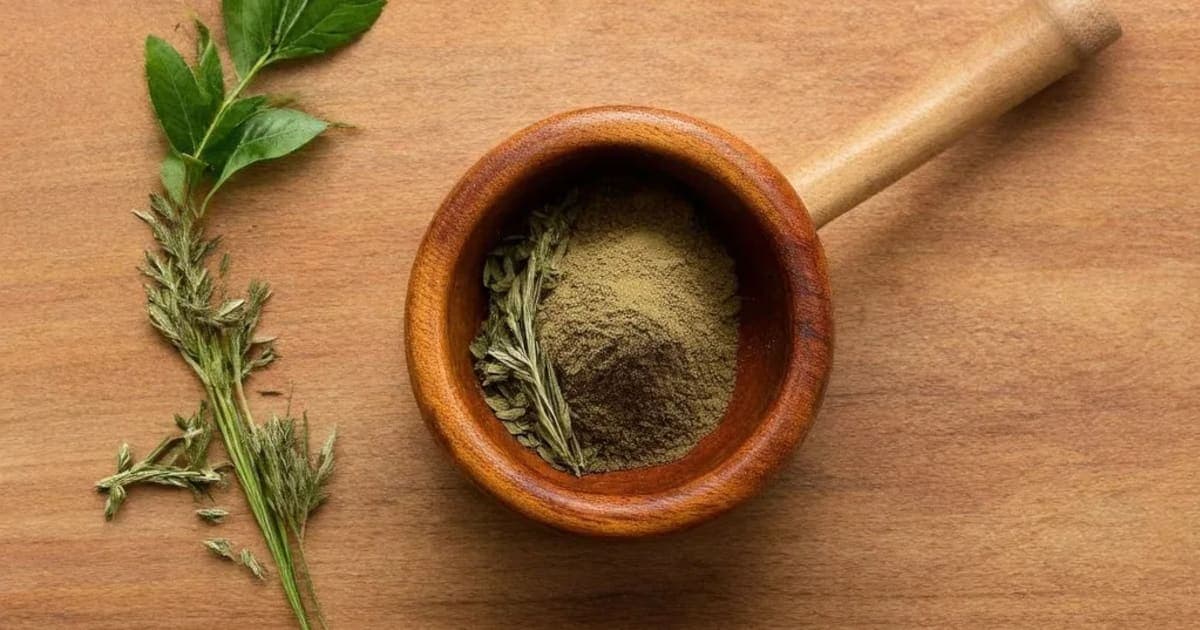
When you taste Langali, the sensation is immediate and intense: a pungent heat followed by a lingering bitterness that clears the throat. This specific flavor profile signals its ability to cut through heavy mucus and stagnant blood. While modern supplements often isolate compounds, traditional practitioners insist on using the whole herb prepared in specific ways, such as mixing fine root powder with warm milk or ghee to buffer its sharpness.
What are the Ayurvedic properties of Langali?
The Ayurvedic properties of Langali define exactly how this herb interacts with your tissues, acting as a sharp, heating agent that penetrates deep into the channels of the body. Its classification relies on five fundamental pillars that determine whether it will heal or harm a specific individual. Understanding these values is not just academic; it is the safety mechanism that prevents the herb's natural toxicity from causing harm.
| Property (Sanskrit) | Value | What it means for your body |
|---|---|---|
| Rasa (Taste) | Katu (Pungent), Tikta (Bitter) | Stimulates metabolism and clears blocked channels; detoxifies blood and reduces Kapha. |
| Guna (Quality) | Laghu (Light), Tikshna (Sharp) | Absorbs quickly and penetrates deep into tissues to break down stagnation. |
| Virya (Potency) | Ushna (Hot) | Ignites digestive fire (Agni) and improves circulation while generating internal heat. |
| Vipaka (Post-digestive) | Katu (Pungent) | Leaves a heating, stimulating after-effect that continues to clear channels long after digestion. |
| Prabhava (Special Effect) | Garbha-karaka | Specifically acts to induce labor or expel the placenta; highly potent for reproductive issues. |
This combination of lightness and sharpness means Langali does not linger lazily in the stomach. It moves fast. If you have ever taken a formulation containing this herb, you might notice a warming sensation spreading through the limbs shortly after ingestion, a sign of its Ushna Virya (hot potency) at work.
Which doshas does Langali balance?
Langali primarily pacifies Kapha and Vata doshas by using its heat to dry up excess moisture and its unctuous processing to ground erratic energy. People with Kapha imbalances often feel heavy, sluggish, or congested, and the sharp, bitter nature of this herb cuts through that density effectively. Similarly, while Vata is cold and dry, the specific heating quality of Langali can soothe Vata-related joint stiffness and nerve pain when administered with adequate fat like ghee.
However, caution is vital for those with high Pitta. Because the herb is inherently hot and sharp, it can easily aggravate Pitta dosha, leading to acidity, skin rashes, or irritability if the dose is even slightly too high. A grandmother in Kerala might tell you that if your eyes feel hot or your temper flares after taking it, you must stop immediately and cool the system with coconut water or coriander tea.
Signs you might need Langali
You are likely a candidate for Langali if you struggle with chronic congestion, sluggish digestion, or specific reproductive issues like delayed labor or retained placenta. The herb targets conditions where things are stuck, slow, or cold. Common indicators include a coated tongue, a feeling of heaviness in the chest, joint pain that worsens in cold weather, or skin conditions characterized by itching and toxins.
Conversely, if you are already prone to burning sensations, inflammation, or excessive thirst, this herb is probably not your first choice without expert supervision. The line between a therapeutic dose and a toxic one is thin, which is why self-medicating with raw Langali root is strongly discouraged in favor of guided formulations.
Frequently Asked Questions
Is Langali safe to take during pregnancy?
Langali is traditionally used to induce labor but should never be taken during early pregnancy as it can cause miscarriage. It is strictly administered by qualified practitioners only when labor needs induction or for specific post-partum care.
What are the main side effects of Langali?
Improper use of Langali can cause severe nausea, vomiting, abdominal pain, and a burning sensation in the throat. Overdose may lead to dizziness and dehydration, requiring immediate medical attention and cooling therapies.
How is Langali usually consumed?
It is rarely eaten raw; instead, the dried root is ground into a fine powder and mixed with warm milk, ghee, or honey to reduce its sharpness. It is also a key ingredient in classical fermented preparations (Asavas) and medicated oils.
Frequently Asked Questions
What is Langali used for in Ayurveda?
Langali is primarily used as a Skin Healer and Garbhashaya Sankochaka in Ayurvedic medicine. Gloriosa superba is a potent herb used for inducing labor and in treating skin diseases, but is toxic if not used correctly. It pacifies Kapha, Vata dosha.
How should I take Langali?
Langali can be taken as powder (1/2-1 tsp with warm water or milk), decoction (boil 1 tsp in water), or tablets (1-2 daily). Always start with a low dose and consult an Ayurvedic practitioner for personalized guidance.
Is Langali safe during pregnancy?
Pregnant and nursing women should not take Langali without consulting their doctor first. Most Ayurvedic herbs require medical supervision during pregnancy.
Which dosha does Langali balance?
Langali pacifies Kapha, Vata. Excessive use may increase Pitta dosha.
Can I take Langali daily?
Langali can be taken daily in recommended doses for 4-8 weeks. After that, take a 2-week break before resuming. Long-term use should be supervised by a qualified Ayurvedic practitioner.
What are the side effects of Langali?
When taken in recommended doses, Langali is generally safe. Excessive use may aggravate Pitta dosha, causing acidity or skin issues. Stop use if you experience any adverse reaction.
Related Articles
The Timeless Benefits of Triphala: An Ayurvedic Powerhouse
Discover the transformative benefits of Triphala, an ancient Ayurvedic blend of three fruits that supports digestion, immunity, weight management, and overall vitality.
5 min read
The Divine Benefits of Tulsi (Holy Basil) in Ayurveda
Discover the sacred benefits of Tulsi (Holy Basil) in Ayurveda. From boosting immunity and reducing stress to supporting heart health and digestion, learn how this divine herb can transform your well-being.
4 min read
The Remarkable Benefits of Giloy: An Ayurvedic Powerhouse
Discover the profound health benefits of Giloy, the Ayurvedic 'root of immortality.' Learn how this powerful herb boosts immunity, manages diabetes, improves digestion, and supports skin, hair, and bone health.
5 min read
The Remarkable Benefits of Ashwagandha: An Ayurvedic Perspective
Discover the ancient wisdom of Ashwagandha, a powerful Ayurvedic adaptogen known for reducing stress, boosting immunity, improving sleep, and enhancing physical strength.
4 min read
Brihatyadi Kashayam: Natural Relief for Urinary Tract Disorders and Cystitis
Brihatyadi Kashayam is a cooling Ayurvedic decoction that targets urinary burning and cystitis by balancing Vata and Pitta. Unlike standard teas, this concentrated liquid extract is specifically designed to reduce inflammation in the bladder lining while flushing out toxins.
5 min read
Asphota: Ayurvedic Brain Tonic, Calming Herb & Blood Purifier
Often overlooked, Asphota is a cooling, bitter herb that acts as a gentle brain tonic and blood purifier. While it shares traits with the popular Aparajita, its unique astringent quality makes it particularly effective for stopping bleeding and soothing inflamed tissues.
6 min read
References & Sources
This article is based on principles from classical Ayurvedic texts including Charaka Samhita, Sushruta Samhita, and Ashtanga Hridaya. Content has been reviewed for accuracy by our editorial team. For specific medical conditions, always consult a qualified Ayurvedic practitioner or healthcare provider.
- • Charaka Samhita (चरक संहिता)
- • Sushruta Samhita (सुश्रुत संहिता)
- • Ashtanga Hridaya (अष्टांग हृदय)
Found an error in this article? Let us know