
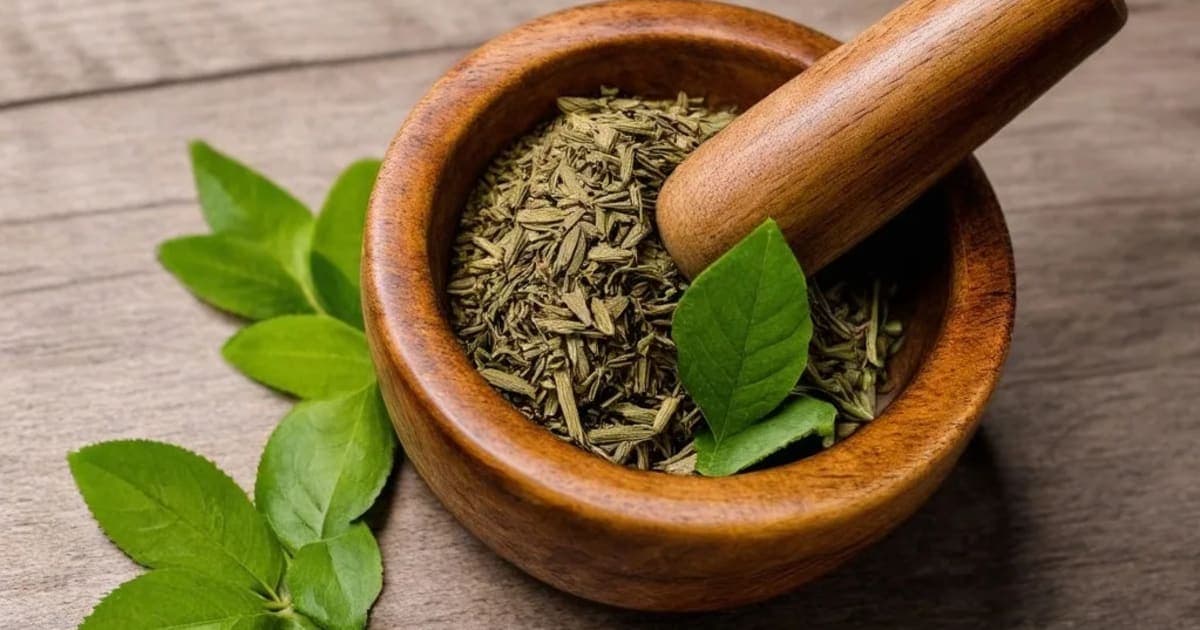
Lajjalu: Healing Bleeding Piles, Wounds & Pitta Imbalance
Expert Reviewed
Reviewed by AyurvedicUpchar Editorial Team
What is Lajjalu?
Lajjalu, known globally as the "Touch-me-not" plant (Mimosa pudica), is a creeping herb famous for folding its leaves instantly when touched. In Ayurveda, it is a primary remedy for stopping bleeding, healing stubborn wounds, and treating hemorrhoids (Arsha). Unlike many herbs that simply cool the body, Lajjalu possesses a unique Prabhava (special potency) to arrest bleeding while simultaneously repairing tissue.
Classical texts like the Bhavaprakash Nighantu describe Lajjalu as a Sheeta Virya (cooling) herb with a dominant bitter taste. This specific profile makes it exceptional for calming inflamed tissues and purifying blood without aggravating heat. You will often find grandmothers in rural India crushing the fresh green leaves into a fine paste to apply directly on cuts, where the sticky juice acts as a natural bandage.
What are the Ayurvedic properties of Lajjalu?
Lajjalu is defined by its bitter taste, light quality, and cooling potency, which together drive its ability to detoxify blood and stop bleeding. These five fundamental properties determine exactly how the herb interacts with your physiology, guiding both internal dosages and external applications.
| Property (Sanskrit) | Value | What it means for your body |
|---|---|---|
| Rasa (Taste) | Tikta (Bitter) | Detoxifies blood, reduces inflammation, and clears skin rashes. |
| Guna (Quality) | Laghu (Light) | Ensures quick absorption and deep tissue penetration without heaviness. |
| Virya (Potency) | Sheeta (Cooling) | Soothes burning sensations, cools excess heat, and calms irritated organs. |
| Vipaka (Post-digestive) | Katu (Pungent) | Helps scrape away toxins (Ama) after digestion is complete. |
| Prabhava (Special Effect) | Stambhana | Uniquely arrests bleeding and promotes rapid wound contraction. |
Which dosha does Lajjalu balance?
Lajjalu primarily pacifies Pitta dosha, making it the go-to choice for conditions involving heat, inflammation, or bleeding. While it cools Pitta effectively, its light and drying qualities mean it can aggravate Vata and Kapha if used excessively or without proper guidance.
If you have a naturally high Vata constitution (prone to dryness, anxiety, or joint pain) or heavy Kapha (prone to congestion or lethargy), use Lajjalu cautiously. The herb's drying nature might increase Vata-related dryness or make Kapha sluggish if taken daily for long periods. A skilled practitioner often combines it with ghee or milk to buffer these drying effects for sensitive individuals.
How do you know if you need Lajjalu?
You likely need Lajjalu if you experience symptoms of elevated Pitta, such as frequent heartburn, angry red skin rashes, bleeding gums, or hemorrhoids that burn and itch. People who feel constantly hot, sweat excessively, or have a short temper often find relief when this herb brings their internal temperature down. The tell-tale sign is any condition where "heat" and "leaking" (like bleeding or diarrhea) occur together.
What are the main health benefits of Lajjalu?
Lajjalu is most renowned in Ayurveda for its power to stop bleeding (hemostatic) and heal wounds, supported by centuries of textual evidence and practical use. Its bitter compounds tighten tissues and purify the blood, addressing the root cause of many inflammatory skin and digestive issues.
Healing Bleeding Hemorrhoids and Fissures
This is perhaps the most common traditional use for Lajjalu. The herb's astringent nature helps shrink swollen veins in the rectal area, while its cooling effect stops the burning sensation associated with bleeding piles. Practitioners often prescribe the dried root powder mixed with warm water or ghee to reduce swelling and arrest bleeding internally.
Rapid Wound Healing and Skin Repair
When applied externally as a fresh paste, Lajjalu acts as a natural antiseptic and coagulant. The leaves contain compounds that accelerate the formation of granulation tissue, helping cuts, bruises, and ulcers close faster. In many villages, a poultice of crushed leaves is tied over a wound to prevent infection and stop minor bleeding immediately.
Blood Purification and Skin Clarity
Because it tastes bitter, Lajjalu cleanses the blood of toxins that often manifest as acne, eczema, or unexplained itching. By lowering Pitta in the blood, it reduces the redness and heat of inflammatory skin conditions. It is sometimes boiled into a mild decoction and washed over the skin to calm chronic rashes.
Frequently Asked Questions
Is Lajjalu safe to take daily?
Lajjalu is generally safe for short-term use to treat specific issues like bleeding or acute inflammation, but it is not typically taken daily as a tonic. Due to its drying and cooling nature, long-term daily use can disturb Vata and Kapha doshas, leading to dryness or digestive sluggishness.
Can Lajjalu cure hemorrhoids permanently?
Lajjalu effectively manages symptoms like bleeding, pain, and swelling associated with hemorrhoids, but a permanent cure often requires dietary and lifestyle changes. It works best when combined with a fiber-rich diet and avoidance of spicy, heating foods that aggravate Pitta.
How is Lajjalu different from other astringent herbs?
Unlike other astringents that only tighten tissues, Lajjalu possesses a unique Prabhava that specifically targets bleeding disorders while simultaneously soothing inflammation. This dual action of stopping flow and cooling heat makes it distinct for treating bleeding piles and heavy menstruation.
Disclaimer: This content is for educational purposes only and does not constitute medical advice. Consult a qualified Ayurvedic practitioner before starting any new herbal regimen, especially if you are pregnant, nursing, or taking medication.
Reference: Bhavaprakash Nighantu, Dravya Guna Varga; Charaka Samhita, Sutra Sthana.
Frequently Asked Questions
What is Lajjalu used for in Ayurveda?
Lajjalu is primarily used as a Astringent/Binding and Vranaropana in Ayurvedic medicine. Touch-me-not plant for bleeding piles and wounds. It pacifies Pitta dosha.
How should I take Lajjalu?
Lajjalu can be taken as powder (1/2-1 tsp with warm water or milk), decoction (boil 1 tsp in water), or tablets (1-2 daily). Always start with a low dose and consult an Ayurvedic practitioner for personalized guidance.
Is Lajjalu safe during pregnancy?
Pregnant and nursing women should not take Lajjalu without consulting their doctor first. Most Ayurvedic herbs require medical supervision during pregnancy.
Which dosha does Lajjalu balance?
Lajjalu pacifies Pitta. Excessive use may increase Vata, Kapha dosha.
Can I take Lajjalu daily?
Lajjalu can be taken daily in recommended doses for 4-8 weeks. After that, take a 2-week break before resuming. Long-term use should be supervised by a qualified Ayurvedic practitioner.
What are the side effects of Lajjalu?
When taken in recommended doses, Lajjalu is generally safe. Excessive use may aggravate Vata, Kapha dosha, causing gas or bloating. Stop use if you experience any adverse reaction.
Related Articles
The Timeless Benefits of Triphala: An Ayurvedic Powerhouse
Discover the transformative benefits of Triphala, an ancient Ayurvedic blend of three fruits that supports digestion, immunity, weight management, and overall vitality.
5 min read
The Divine Benefits of Tulsi (Holy Basil) in Ayurveda
Discover the sacred benefits of Tulsi (Holy Basil) in Ayurveda. From boosting immunity and reducing stress to supporting heart health and digestion, learn how this divine herb can transform your well-being.
4 min read
The Remarkable Benefits of Giloy: An Ayurvedic Powerhouse
Discover the profound health benefits of Giloy, the Ayurvedic 'root of immortality.' Learn how this powerful herb boosts immunity, manages diabetes, improves digestion, and supports skin, hair, and bone health.
5 min read
The Remarkable Benefits of Ashwagandha: An Ayurvedic Perspective
Discover the ancient wisdom of Ashwagandha, a powerful Ayurvedic adaptogen known for reducing stress, boosting immunity, improving sleep, and enhancing physical strength.
4 min read
Brihatyadi Kashayam: Natural Relief for Urinary Tract Disorders and Cystitis
Brihatyadi Kashayam is a cooling Ayurvedic decoction that targets urinary burning and cystitis by balancing Vata and Pitta. Unlike standard teas, this concentrated liquid extract is specifically designed to reduce inflammation in the bladder lining while flushing out toxins.
5 min read
Asphota: Ayurvedic Brain Tonic, Calming Herb & Blood Purifier
Often overlooked, Asphota is a cooling, bitter herb that acts as a gentle brain tonic and blood purifier. While it shares traits with the popular Aparajita, its unique astringent quality makes it particularly effective for stopping bleeding and soothing inflamed tissues.
6 min read
References & Sources
This article is based on principles from classical Ayurvedic texts including Charaka Samhita, Sushruta Samhita, and Ashtanga Hridaya. Content has been reviewed for accuracy by our editorial team. For specific medical conditions, always consult a qualified Ayurvedic practitioner or healthcare provider.
- • Charaka Samhita (चरक संहिता)
- • Sushruta Samhita (सुश्रुत संहिता)
- • Ashtanga Hridaya (अष्टांग हृदय)
Found an error in this article? Let us know