
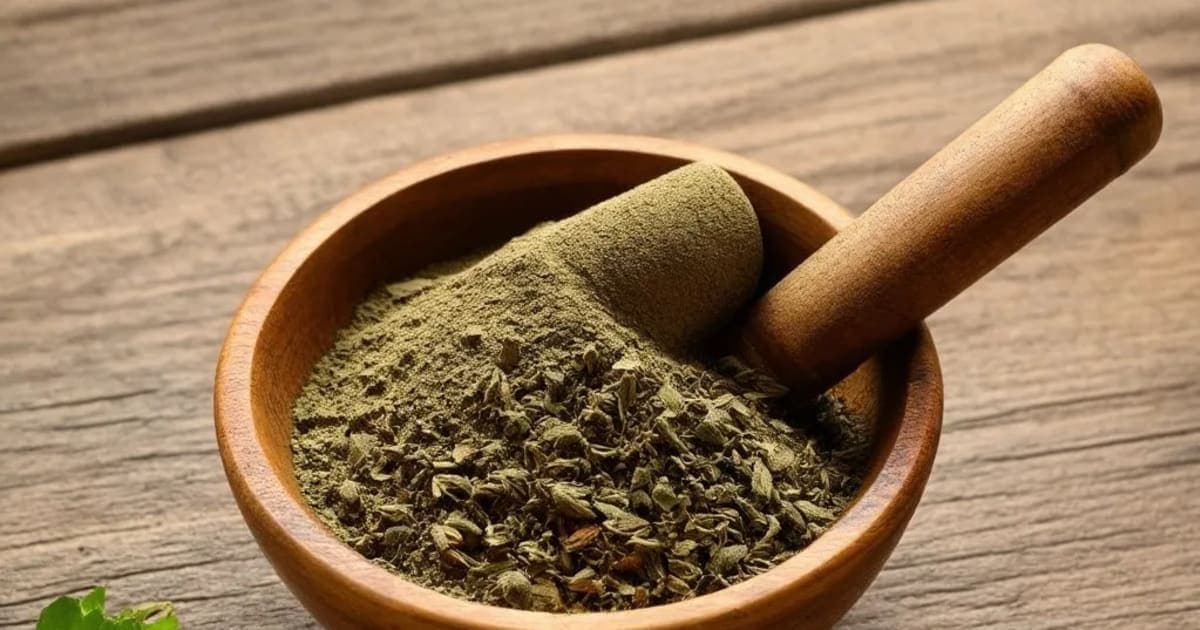
Laghu Sutshekhar Ras: Quick Relief for Hyperacidity and Heartburn | Ayurvedic Guide
Expert Reviewed
Reviewed by AyurvedicUpchar Editorial Team
What is Laghu Sutshekhar Ras used for?
Laghu Sutshekhar Ras is a classical herbo-mineral Ayurvedic formulation designed to instantly cool the stomach and neutralize excess acid. It is the go-to remedy for acute hyperacidity, severe heartburn, nausea, and the burning sensation that often follows a spicy or heavy meal. While modern antacids merely coat the stomach lining, this preparation works to restore the balance of Pitta dosha, addressing the root cause of the digestive distress.
Historically, this medicine appears in texts like the Bhava Prakasha Nighantu and is often prepared with processed mercury and sulfur alongside cooling herbs like coriander and sandalwood. In a typical household, an elder might keep this ready for sudden bouts of vomiting or the sharp, burning pain of gastritis. It is distinct from its larger counterpart, Sutshekhar Ras, primarily because it is lighter and acts more quickly on the upper digestive tract.
How does Laghu Sutshekhar Ras interact with the body?
>The specific way Laghu Sutshekhar Ras works depends on its unique taste and energy profile, which are documented in Dravyaguna Shastra. The formulation possesses a bitter taste that detoxifies the blood, a light quality that ensures rapid absorption, and a cooling potency that immediately soothes inflamed tissues. After digestion, it leaves a sweet post-digestive effect, which helps nourish the tissues without creating further heat. This specific combination makes it exceptionally effective for conditions where heat and irritation are the primary concerns.The pharmacological identity of this medicine is defined by these core properties, which practitioners use to determine the correct dosage and vehicle (Anupana) for each patient:
| Property (Sanskrit) | Value | What it means for your body |
|---|---|---|
| Rasa (Taste) | Tikta (Bitter) | Detoxifies blood, reduces Pitta, and clears toxins from the digestive tract |
| Guna (Quality) | Laghu (Light) | Allows for fast absorption and deep penetration into tissues without heaviness |
| Virya (Potency) | Sheeta (Cooling) | Directly counters internal heat, inflammation, and burning sensations |
| Vipaka (Post-digestive) | Madhura (Sweet) | Provides a soothing, nourishing effect after the initial cooling action subsides |
One key fact to remember is that the Virya (potency) of this formulation is cooling, making it one of the few mineral-based medicines that does not generate heat in the body despite its metallic ingredients.
Which doshas does Laghu Sutshekhar Ras balance?
>Laghu Sutshekhar Ras primarily pacifies Pitta and Vata doshas, making it ideal for individuals suffering from heat-related digestive issues or stress-induced acidity. It is most beneficial when symptoms include a burning sensation in the chest, sour burping, nausea, or a feeling of heat in the stomach. By cooling the digestive fire, it stops the erratic movement of Vata that often accompanies severe acidity and nausea.However, those with a dominant Kapha constitution should use this remedy with caution. Because the formulation is heavy in minerals and has a cooling nature, excessive use can slow down digestion further in Kapha types, potentially leading to lethargy, mucus accumulation, or a feeling of heaviness in the stomach. It is generally not recommended for people with cold, damp digestion or those prone to frequent colds and congestion unless paired with a heating carrier like ginger juice.
When should you take Laghu Sutshekhar Ras?
You should consider this remedy when you experience the classic signs of aggravated Pitta: a burning sensation in the pit of the stomach, sour regurgitation, or nausea after eating spicy, oily, or fermented foods. It is also useful for headaches that originate from digestive heat, where the pain feels throbbing and is accompanied by a bitter taste in the mouth. In traditional settings, a small dose is often taken with ghee or honey to guide the medicine directly to the stomach lining.
A practical tip passed down through generations is to chew a fresh piece of coriander root or drink cool coriander water alongside this medicine to enhance its cooling effect. Do not take it with hot water, as this counteracts its primary cooling property. Always consult a qualified Ayurvedic practitioner before starting any herbo-mineral therapy, as the dosage depends heavily on your age, digestion strength, and the severity of the condition.
Frequently Asked Questions about Laghu Sutshekhar Ras
Can I take Laghu Sutshekhar Ras daily for chronic acidity?
No, this is a potent herbo-mineral medicine intended for acute relief or short-term courses under medical supervision. Long-term daily use without a practitioner's guidance can lead to mineral accumulation or an imbalance of Kapha. It is best used when symptoms flare up rather than as a permanent dietary supplement.
What is the best way to take Laghu Sutshekhar Ras?
It is traditionally administered with cooling anupanas (vehicles) such as ghee, honey, or fresh coriander water. The specific vehicle depends on your symptoms; for instance, ghee is often used if dryness is present, while coriander water is preferred for pure heat and burning sensations.
Does Laghu Sutshekhar Ras work for pregnancy-related nausea?
While it is effective for nausea, pregnant women should only use this medicine if explicitly prescribed by an Ayurvedic doctor familiar with their case. Some mineral preparations require specific processing (Shodhana) to be safe during pregnancy, and self-medication is not advised.
Are there any side effects of Laghu Sutshekhar Ras?
When taken in the correct dose, side effects are rare. However, incorrect use may cause constipation, increased mucus production, or a feeling of heaviness in the stomach, particularly in individuals with a Kapha imbalance. If you experience these symptoms, discontinue use immediately and consult a practitioner.
Medical Disclaimer: The information provided here is for educational purposes only and does not constitute medical advice. Laghu Sutshekhar Ras contains processed metals and should only be used under the supervision of a qualified Ayurvedic practitioner. Do not self-medicate, especially if you are pregnant, nursing, or taking other medications.
Frequently Asked Questions
What is Laghu Sutshekhar Ras used for in Ayurveda?
Laghu Sutshekhar Ras is primarily used as a Amlapittahara and Pain Reliever in Ayurvedic medicine. A herbo-mineral formulation for hyperacidity, headache, and other Pitta-dominant conditions. It pacifies Pitta, Vata dosha.
How should I take Laghu Sutshekhar Ras?
Laghu Sutshekhar Ras can be taken as powder (1/2-1 tsp with warm water or milk), decoction (boil 1 tsp in water), or tablets (1-2 daily). Always start with a low dose and consult an Ayurvedic practitioner for personalized guidance.
Is Laghu Sutshekhar Ras safe during pregnancy?
Pregnant and nursing women should not take Laghu Sutshekhar Ras without consulting their doctor first. Most Ayurvedic herbs require medical supervision during pregnancy.
Which dosha does Laghu Sutshekhar Ras balance?
Laghu Sutshekhar Ras pacifies Pitta, Vata. Excessive use may increase Kapha dosha.
Can I take Laghu Sutshekhar Ras daily?
Laghu Sutshekhar Ras can be taken daily in recommended doses for 4-8 weeks. After that, take a 2-week break before resuming. Long-term use should be supervised by a qualified Ayurvedic practitioner.
What are the side effects of Laghu Sutshekhar Ras?
When taken in recommended doses, Laghu Sutshekhar Ras is generally safe. Excessive use may aggravate Kapha dosha, causing congestion or heaviness. Stop use if you experience any adverse reaction.
Related Articles
The Timeless Benefits of Triphala: An Ayurvedic Powerhouse
Discover the transformative benefits of Triphala, an ancient Ayurvedic blend of three fruits that supports digestion, immunity, weight management, and overall vitality.
5 min read
The Divine Benefits of Tulsi (Holy Basil) in Ayurveda
Discover the sacred benefits of Tulsi (Holy Basil) in Ayurveda. From boosting immunity and reducing stress to supporting heart health and digestion, learn how this divine herb can transform your well-being.
4 min read
The Remarkable Benefits of Giloy: An Ayurvedic Powerhouse
Discover the profound health benefits of Giloy, the Ayurvedic 'root of immortality.' Learn how this powerful herb boosts immunity, manages diabetes, improves digestion, and supports skin, hair, and bone health.
5 min read
The Remarkable Benefits of Ashwagandha: An Ayurvedic Perspective
Discover the ancient wisdom of Ashwagandha, a powerful Ayurvedic adaptogen known for reducing stress, boosting immunity, improving sleep, and enhancing physical strength.
4 min read
Brihatyadi Kashayam: Natural Relief for Urinary Tract Disorders and Cystitis
Brihatyadi Kashayam is a cooling Ayurvedic decoction that targets urinary burning and cystitis by balancing Vata and Pitta. Unlike standard teas, this concentrated liquid extract is specifically designed to reduce inflammation in the bladder lining while flushing out toxins.
5 min read
Asphota: Ayurvedic Brain Tonic, Calming Herb & Blood Purifier
Often overlooked, Asphota is a cooling, bitter herb that acts as a gentle brain tonic and blood purifier. While it shares traits with the popular Aparajita, its unique astringent quality makes it particularly effective for stopping bleeding and soothing inflamed tissues.
6 min read
References & Sources
This article is based on principles from classical Ayurvedic texts including Charaka Samhita, Sushruta Samhita, and Ashtanga Hridaya. Content has been reviewed for accuracy by our editorial team. For specific medical conditions, always consult a qualified Ayurvedic practitioner or healthcare provider.
- • Charaka Samhita (चरक संहिता)
- • Sushruta Samhita (सुश्रुत संहिता)
- • Ashtanga Hridaya (अष्टांग हृदय)
Found an error in this article? Let us know