
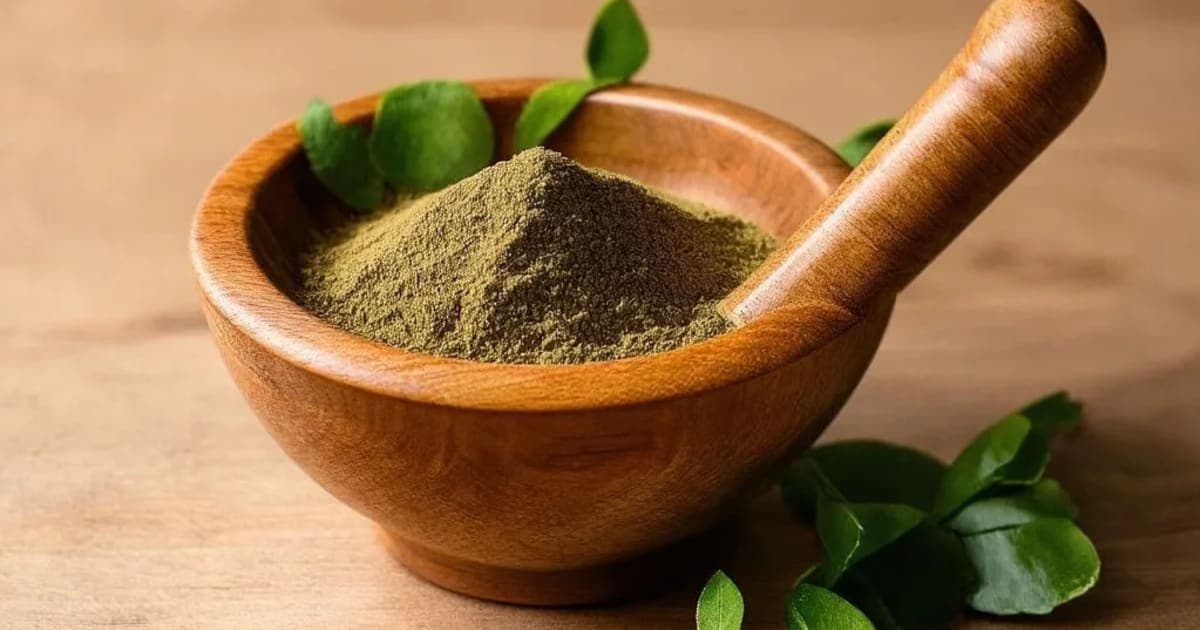
Kushmanda Svarasa: Cooling Brain Tonic for Pitta & Vata Balance
Expert Reviewed
Reviewed by AyurvedicUpchar Editorial Team
What is Kushmanda Svarasa in Ayurveda?
Kushmanda Svarasa is the fresh, uncooked juice extracted from the white Ash Gourd, a cooling herb prized in Ayurveda for its ability to calm an overheated mind and strengthen the nervous system. Unlike processed medicines, this raw liquid acts immediately to clear mental fog and reduce internal heat without dulling the senses. Ancient practitioners like Charaka described it in the Charaka Samhita (Sutra Sthana) as a vital Medhya (brain tonic) that nourishes the brain tissue directly when taken on an empty stomach.
When you drink a cup of this clear, slightly sweet juice, you are consuming a substance that tastes like fresh water but carries the heavy, nourishing quality of a root vegetable. It is not just a drink; it is a specific remedy for those feeling burnt out, irritable, or mentally scattered. A quotable fact for your notes: Kushmanda Svarasa is unique because it provides deep nourishment to the brain while simultaneously cooling the body, a rare combination that prevents the fatigue often caused by other cooling herbs.
How do the Ayurvedic properties of Kushmanda Svarasa work?
The therapeutic power of Kushmanda Svarasa comes from its specific pharmacological profile, which combines a sweet taste with a cold potency to soothe inflammation and build tissue. In Dravyaguna Shastra, we look at five key attributes to predict exactly how a herb will behave in your body.
The table below outlines the precise Ayurvedic classification that determines its safety and efficacy:
| Property (Sanskrit) | Value | What it means for your body |
|---|---|---|
| Rasa (Taste) | Madhura | Sweet; builds tissues, calms the mind, and provides immediate nourishment |
| Guna (Quality) | Laghu, Snigdha | Light yet unctuous; allows easy absorption while lubricating dry tissues |
| Virya (Potency) | Sheeta | Cooling; rapidly reduces fever, acidity, and burning sensations |
| Vipaka (Post-digestive effect) | Madhura | Sweet; the long-term effect supports tissue growth and stability |
| Prabhava (Specific action) | Medhya | Unique brain tonic effect that enhances memory and intellect |
Because it possesses Snigdha (oily) qualities despite being a liquid, it penetrates deep into the tissues to heal dryness without causing heaviness in the stomach. This is why it is often the first recommendation for patients recovering from heat exhaustion or severe stress.
Which doshas does Kushmanda Svarasa balance?
Kushmanda Svarasa primarily balances Pitta and Vata doshas by cooling excess heat and lubricating dry channels. It is the ideal remedy for conditions where fire and dryness have combined to cause irritation, such as acid reflux, anxiety, or dry skin cracks.
However, because the juice is heavy and sweet, those with a dominant Kapha constitution must use it with caution. If you already suffer from sluggish digestion, congestion, or a tendency toward weight gain, drinking large amounts of this juice can increase Kapha, leading to mucus buildup or lethargy. A grandmother's tip: if you have a cold or feel heavy after eating, skip the juice or mix a pinch of black pepper into it to offset the Kapha-aggravating effects.
How is Kushmanda Svarasa used in daily practice?
Traditional usage involves drinking 15 to 30 ml of fresh juice early in the morning on an empty stomach to maximize absorption and brain benefits. It is rarely cooked, as heat destroys its delicate cooling properties. For a more palatable experience, people often mix the juice with a teaspoon of honey or a few drops of lime juice to cut the raw vegetable taste.
Externally, the fresh juice is applied to the scalp to cool burning sensations caused by sun exposure or to soothe skin rashes. You can also apply a paste of the gourd flesh mixed with the juice to treat minor burns. The key is freshness; the juice should be extracted and consumed within minutes to retain its Sheeta Virya.
What are the specific precautions for using Kushmanda Svarasa?
While generally safe, Kushmanda Svarasa is not suitable for everyone, particularly those with active respiratory infections or severe digestive weakness (Agni mandya). Because the juice is cold and sweet, it can slow down digestion if taken in excess by someone with low metabolic fire. If you experience bloating, nausea, or increased phlegm after drinking it, discontinue use immediately.
Always ensure the gourd is fresh and organic, as the skin can absorb pesticides which then leach into the juice. Do not store the extracted juice for more than a few hours, as it oxidizes quickly and loses its medicinal potency. Pregnant women should consult an Ayurvedic practitioner before using it therapeutically, though small dietary amounts are usually acceptable.
Frequently Asked Questions
What are the main benefits of Kushmanda Svarasa for the brain?
Kushmanda Svarasa acts as a potent Medhya Rasayana (nervine tonic) that cools the mind, reduces anxiety, and improves memory retention. It nourishes the brain tissue directly, making it effective for mental fatigue and stress-related headaches.
Can I drink Kushmanda Svarasa if I have a cold or cough?
No, you should avoid Kushmanda Svarasa if you have an active cold, cough, or sinus congestion. Its cooling and heavy nature can aggravate Kapha dosha, potentially worsening mucus production and slowing down recovery.
How much Kushmanda Svarasa should I take daily?
The standard therapeutic dose is 15 to 30 ml (one to two tablespoons) taken once daily on an empty stomach. For general health maintenance, a smaller dose of 10 ml may be sufficient, but always start low to assess your body's reaction.
Does Kushmanda Svarasa help with acidity and heartburn?
Yes, it is highly effective for acidity because its cooling potency (Sheeta Virya) directly neutralizes excess stomach fire (Pitta). It soothes the lining of the stomach and reduces the burning sensation associated with acid reflux.
Frequently Asked Questions
What is Kushmanda Svarasa used for in Ayurveda?
Kushmanda Svarasa is primarily used as a Brain Tonic and Dahashamana in Ayurvedic medicine. The fresh juice of Ash Gourd is a highly effective brain tonic and coolant, used to calm the mind. It pacifies Pitta, Vata dosha.
How should I take Kushmanda Svarasa?
Kushmanda Svarasa can be taken as powder (1/2-1 tsp with warm water or milk), decoction (boil 1 tsp in water), or tablets (1-2 daily). Always start with a low dose and consult an Ayurvedic practitioner for personalized guidance.
Is Kushmanda Svarasa safe during pregnancy?
Pregnant and nursing women should not take Kushmanda Svarasa without consulting their doctor first. Most Ayurvedic herbs require medical supervision during pregnancy.
Which dosha does Kushmanda Svarasa balance?
Kushmanda Svarasa pacifies Pitta, Vata. Excessive use may increase Kapha dosha.
Can I take Kushmanda Svarasa daily?
Kushmanda Svarasa can be taken daily in recommended doses for 4-8 weeks. After that, take a 2-week break before resuming. Long-term use should be supervised by a qualified Ayurvedic practitioner.
What are the side effects of Kushmanda Svarasa?
When taken in recommended doses, Kushmanda Svarasa is generally safe. Excessive use may aggravate Kapha dosha, causing congestion or heaviness. Stop use if you experience any adverse reaction.
Related Articles
The Timeless Benefits of Triphala: An Ayurvedic Powerhouse
Discover the transformative benefits of Triphala, an ancient Ayurvedic blend of three fruits that supports digestion, immunity, weight management, and overall vitality.
5 min read
The Divine Benefits of Tulsi (Holy Basil) in Ayurveda
Discover the sacred benefits of Tulsi (Holy Basil) in Ayurveda. From boosting immunity and reducing stress to supporting heart health and digestion, learn how this divine herb can transform your well-being.
4 min read
The Remarkable Benefits of Giloy: An Ayurvedic Powerhouse
Discover the profound health benefits of Giloy, the Ayurvedic 'root of immortality.' Learn how this powerful herb boosts immunity, manages diabetes, improves digestion, and supports skin, hair, and bone health.
5 min read
The Remarkable Benefits of Ashwagandha: An Ayurvedic Perspective
Discover the ancient wisdom of Ashwagandha, a powerful Ayurvedic adaptogen known for reducing stress, boosting immunity, improving sleep, and enhancing physical strength.
4 min read
Brihatyadi Kashayam: Natural Relief for Urinary Tract Disorders and Cystitis
Brihatyadi Kashayam is a cooling Ayurvedic decoction that targets urinary burning and cystitis by balancing Vata and Pitta. Unlike standard teas, this concentrated liquid extract is specifically designed to reduce inflammation in the bladder lining while flushing out toxins.
5 min read
Asphota: Ayurvedic Brain Tonic, Calming Herb & Blood Purifier
Often overlooked, Asphota is a cooling, bitter herb that acts as a gentle brain tonic and blood purifier. While it shares traits with the popular Aparajita, its unique astringent quality makes it particularly effective for stopping bleeding and soothing inflamed tissues.
6 min read
References & Sources
This article is based on principles from classical Ayurvedic texts including Charaka Samhita, Sushruta Samhita, and Ashtanga Hridaya. Content has been reviewed for accuracy by our editorial team. For specific medical conditions, always consult a qualified Ayurvedic practitioner or healthcare provider.
- • Charaka Samhita (चरक संहिता)
- • Sushruta Samhita (सुश्रुत संहिता)
- • Ashtanga Hridaya (अष्टांग हृदय)
Found an error in this article? Let us know