
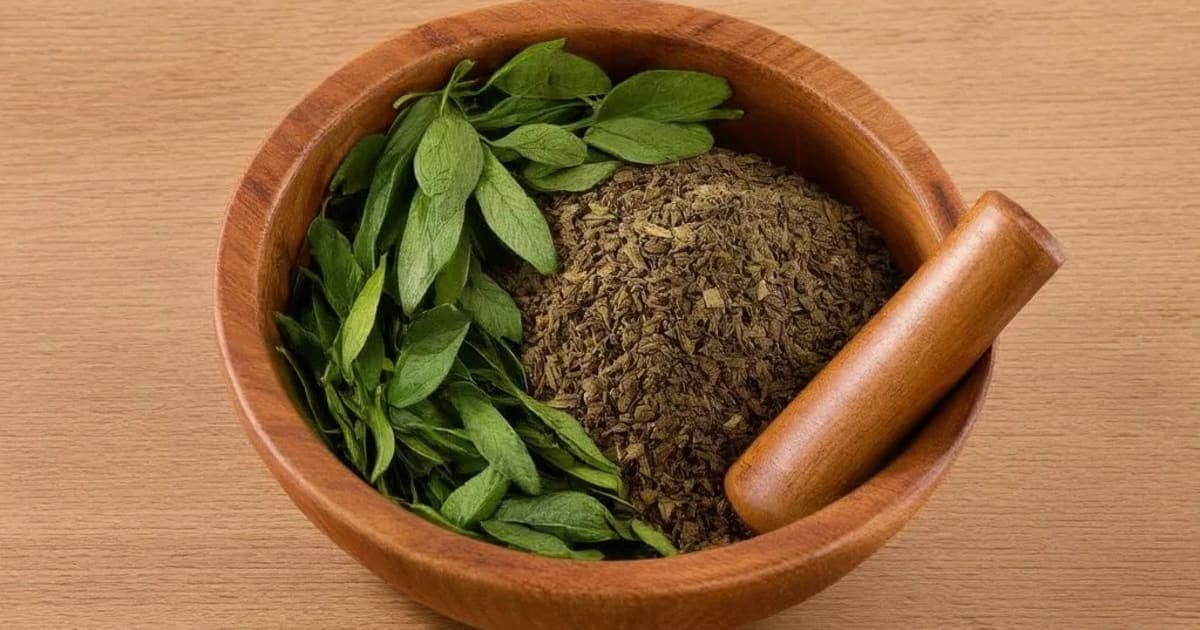
Kushmanda Khanda: Cooling Rejuvenation for Vata and Pitta Imbalance
Expert Reviewed
Reviewed by AyurvedicUpchar Editorial Team
What is Kushmanda Khanda and how is it used in Ayurveda?
Kushmanda Khanda is a traditional Ayurvedic confection made from the pulp of Ash Gourd (Benincasa hispida) cooked with sugar or jaggery until it forms a granular, crystallized preserve. Unlike raw Ash Gourd, which is watery and mild, this preparation is dense, sweet, and deeply nourishing, often taken as a spoonful in the morning or dissolved in warm milk to calm the nervous system.
While raw Ash Gourd is known for its cooling and detoxifying properties, the Khanda form shifts the therapeutic focus toward building strength and soothing irritation. In the Charaka Samhita, the use of Ash Gourd preparations is highlighted for their ability to clear heat from the urinary tract and lungs while simultaneously strengthening the body's tissues. A grandmother in Kerala might describe it as 'sweet medicine' that cools a burning stomach without making you feel weak or cold.
"Kushmanda Khanda is a cooling, sweet confection that transforms the hydrating nature of Ash Gourd into a tissue-nourishing tonic, specifically designed to pacify Vata and Pitta doshas while supporting the urinary and respiratory systems."
Which doshas does Kushmanda Khanda balance and how does it work?
Kushmanda Khanda primarily balances Vata and Pitta doshas by providing heavy, unctuous nourishment that grounds erratic energy and cooling sweetness that extinguishes internal heat. It is most effective for individuals experiencing dryness, inflammation, or anxiety, though those with high Kapha should limit intake to avoid sluggishness.
The mechanism relies on its specific Ayurvedic properties: the Sweet taste (Rasa) and Cold potency (Virya) directly counteract the hot, sharp qualities of Pitta and the dry, light qualities of Vata. When you consume it, the heavy texture (Guru) slows digestion just enough to ensure deep tissue absorption, making it ideal for recovery after illness or during hot summers.
What are the key Ayurvedic properties of Kushmanda Khanda?
The therapeutic action of Kushmanda Khanda is defined by five core properties that determine its effect on the body's physiology. These attributes explain why it soothes irritation while building strength, rather than just acting as a simple sweetener.
| Property (Sanskrit) | Value | Physical Effect on the Body |
|---|---|---|
| Rasa (Taste) | Madhura (Sweet) | Provides immediate nourishment, builds ojas (vitality), and calms the mind. |
| Guna (Quality) | Guru, Snigdha (Heavy, Oily) | Slows digestion slightly to allow deep tissue penetration and lubrication of dry channels. |
| Virya (Potency) | Sheeta (Cold) | Cools the blood and tissues, reducing inflammation, acidity, and burning sensations. |
| Vipaka (Post-digestive) | Madhura (Sweet) | Continues to nourish tissues after digestion, supporting long-term hydration and strength. |
| Prabhava (Specific Action) | Vata-Pitta Shamaka | Specifically targets urinary disorders and respiratory dryness beyond general sweet taste effects. |
How do you take Kushmanda Khanda for best results?
For optimal absorption, take one to two teaspoons of Kushmanda Khanda dissolved in warm milk or water, preferably in the morning on an empty stomach or as a mid-afternoon snack to curb hunger without triggering acidity. It works best when paired with a little ghee to enhance its lubricating effect on dry joints or when mixed with honey for those with mild Kapha who need extra warmth.
Practitioners often recommend this preparation for children with recurrent fevers or dry coughs, as the cooling nature soothes the throat without suppressing the immune response. However, avoid taking it immediately after heavy meals, as its heavy quality can slow down digestion further, leading to bloating in sensitive individuals.
Who should avoid Kushmanda Khanda?
People with high Kapha, characterized by excess mucus, sluggish digestion, or significant weight gain, should use this herb with caution. Because it is heavy and sweet, it can increase congestion and lethargy if consumed in large quantities. If you already feel heavy, cold, or sluggish, it is better to choose a lighter, more heating herb like Ginger or Black Pepper before introducing Kushmanda Khanda.
Frequently Asked Questions about Kushmanda Khanda
What is the main benefit of Kushmanda Khanda?
The primary benefit of Kushmanda Khanda is its ability to cool the body and nourish tissues simultaneously, making it ideal for treating burning sensations in the stomach, dry coughs, and urinary tract irritation caused by Vata and Pitta imbalances.
Can I take Kushmanda Khanda for weight loss?
No, Kushmanda Khanda is not recommended for weight loss because it is heavy, sweet, and nourishing; it tends to increase Kapha and may lead to weight gain if taken without a specific therapeutic need.
Is Kushmanda Khanda safe for diabetics?
Traditional Kushmanda Khanda is cooked with sugar or jaggery, making it unsafe for diabetics unless prepared with a sugar substitute under the guidance of an Ayurvedic practitioner who can balance the formulation.
How does Kushmanda Khanda differ from raw Ash Gourd?
While raw Ash Gourd is watery and primarily cooling, Kushmanda Khanda is a concentrated, sugary preserve that adds heavy, nourishing qualities, making it better for building strength and treating chronic dryness rather than acute detoxification.
Disclaimer: This information is for educational purposes only and does not constitute medical advice. Ayurvedic treatments should be personalized by a qualified practitioner based on your unique constitution (Prakriti) and current state of imbalance (Vikriti).
Frequently Asked Questions
What is Kushmanda Khanda used for in Ayurveda?
Kushmanda Khanda is primarily used as a Brimhaniya and Reproductive Tonic in Ayurvedic medicine. A granular preparation of Ash Gourd, used as a powerful rejuvenative and aphrodisiac. It pacifies Vata, Pitta dosha.
How should I take Kushmanda Khanda?
Kushmanda Khanda can be taken as powder (1/2-1 tsp with warm water or milk), decoction (boil 1 tsp in water), or tablets (1-2 daily). Always start with a low dose and consult an Ayurvedic practitioner for personalized guidance.
Is Kushmanda Khanda safe during pregnancy?
Pregnant and nursing women should not take Kushmanda Khanda without consulting their doctor first. Most Ayurvedic herbs require medical supervision during pregnancy.
Which dosha does Kushmanda Khanda balance?
Kushmanda Khanda pacifies Vata, Pitta. Excessive use may increase Kapha dosha.
Can I take Kushmanda Khanda daily?
Kushmanda Khanda can be taken daily in recommended doses for 4-8 weeks. After that, take a 2-week break before resuming. Long-term use should be supervised by a qualified Ayurvedic practitioner.
What are the side effects of Kushmanda Khanda?
When taken in recommended doses, Kushmanda Khanda is generally safe. Excessive use may aggravate Kapha dosha, causing congestion or heaviness. Stop use if you experience any adverse reaction.
Related Articles
The Timeless Benefits of Triphala: An Ayurvedic Powerhouse
Discover the transformative benefits of Triphala, an ancient Ayurvedic blend of three fruits that supports digestion, immunity, weight management, and overall vitality.
5 min read
The Divine Benefits of Tulsi (Holy Basil) in Ayurveda
Discover the sacred benefits of Tulsi (Holy Basil) in Ayurveda. From boosting immunity and reducing stress to supporting heart health and digestion, learn how this divine herb can transform your well-being.
4 min read
The Remarkable Benefits of Giloy: An Ayurvedic Powerhouse
Discover the profound health benefits of Giloy, the Ayurvedic 'root of immortality.' Learn how this powerful herb boosts immunity, manages diabetes, improves digestion, and supports skin, hair, and bone health.
5 min read
The Remarkable Benefits of Ashwagandha: An Ayurvedic Perspective
Discover the ancient wisdom of Ashwagandha, a powerful Ayurvedic adaptogen known for reducing stress, boosting immunity, improving sleep, and enhancing physical strength.
4 min read
Brihatyadi Kashayam: Natural Relief for Urinary Tract Disorders and Cystitis
Brihatyadi Kashayam is a cooling Ayurvedic decoction that targets urinary burning and cystitis by balancing Vata and Pitta. Unlike standard teas, this concentrated liquid extract is specifically designed to reduce inflammation in the bladder lining while flushing out toxins.
5 min read
Asphota: Ayurvedic Brain Tonic, Calming Herb & Blood Purifier
Often overlooked, Asphota is a cooling, bitter herb that acts as a gentle brain tonic and blood purifier. While it shares traits with the popular Aparajita, its unique astringent quality makes it particularly effective for stopping bleeding and soothing inflamed tissues.
6 min read
References & Sources
This article is based on principles from classical Ayurvedic texts including Charaka Samhita, Sushruta Samhita, and Ashtanga Hridaya. Content has been reviewed for accuracy by our editorial team. For specific medical conditions, always consult a qualified Ayurvedic practitioner or healthcare provider.
- • Charaka Samhita (चरक संहिता)
- • Sushruta Samhita (सुश्रुत संहिता)
- • Ashtanga Hridaya (अष्टांग हृदय)
Found an error in this article? Let us know