
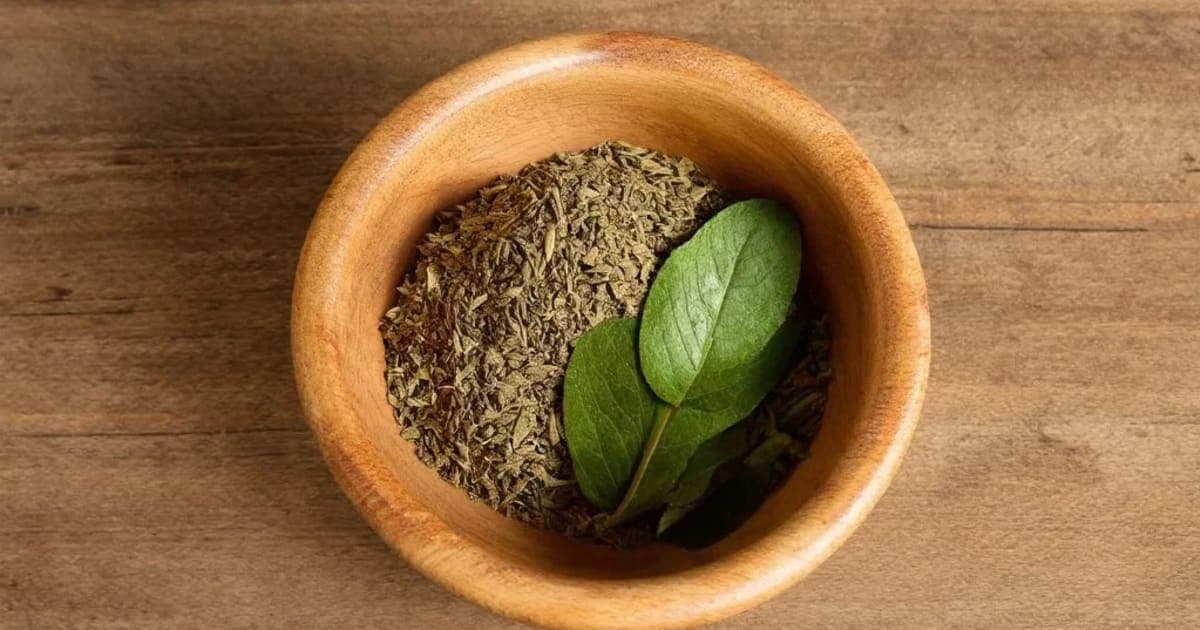
Kumkuma: Saffron Benefits for Glow, Mood & Fertility
Expert Reviewed
Reviewed by AyurvedicUpchar Editorial Team
What is Kumkuma and why is it called the golden spice?
Kumkuma, known globally as saffron, is a precious Ayurvedic herb harvested from the stigma of the Crocus sativus flower, revered for its ability to brighten complexion, lift mood, and support female reproductive health. Unlike common spices, you only need a few delicate red threads to feel its warming effect. In classical texts like the Charaka Samhita, this herb is celebrated not just as a flavoring agent but as a potent Dravya (medicinal substance) that penetrates deep into the tissues to clear stagnation and bring lightness to the mind.
When you hold genuine Kumkuma, you notice its distinct earthy-honey aroma and a taste that starts slightly bitter before settling into a sweet, lingering warmth. This specific flavor profile—Bitter (Tikta) and Sweet (Madhura)—is the key to its action. The bitterness scrapes away toxins and purifies the blood, while the sweetness nourishes the nerves and calms emotional turbulence. It is this dual action that makes it unique among warming herbs.
What are the Ayurvedic properties of Kumkuma?
The Ayurvedic classification of Kumkuma reveals why it works so effectively for skin radiance and emotional balance: it combines light, heating energy with a sweet post-digestive effect to nourish without clogging channels. This specific combination allows it to reach deep tissues (Dhatus) quickly, making it a favorite in formulations for depression and dull skin.
| Property (Sanskrit) | Value | What it means for your body |
|---|---|---|
| Rasa (Taste) | Tikta (Bitter), Madhura (Sweet) | Cleanses blood and reduces inflammation while simultaneously building healthy tissue and calming the mind. |
| Guna (Quality) | Laghu (Light) | Ensures rapid absorption and deep penetration into subtle channels, preventing heaviness. |
| Virya (Potency) | Ushna (Hot) | Stimulates digestive fire (Agni) and circulation, helping to move stagnant blood and energy. |
| Vipaka (Post-digestive) | Madhura (Sweet) | Leaves a nourishing, grounding effect on the body after digestion, supporting long-term tissue health. |
A quotable fact to remember is that Kumkuma is one of the few substances with a hot potency (Ushna Virya) yet a sweet post-digestive effect (Madhura Vipaka), allowing it to ignite metabolism without drying out the body. This rare balance is why grandmothers often prescribe it with warm milk rather than water.
Which doshas does Kumkuma balance?
Kumkuma primarily pacifies Vata and Pitta doshas, making it an ideal remedy for anxiety, irregular cycles, and skin dullness caused by cold or erratic energy. Its light and heating nature cuts through the dryness of Vata and the stagnation often found in aggravated Pitta, restoring flow and color to the face.
However, because it is heating, those with a dominant Kapha constitution should use it sparingly. While the light quality helps Kapha, the heat can sometimes aggravate congestion if taken in large doses. If you tend toward lethargy or heavy mucus, a mere pinch suffices; do not overdo it.
How do I know if my body needs Kumkuma?
You likely need Kumkuma if you experience symptoms of elevated Vata such as racing thoughts, dry or cracked skin, joint stiffness, or a feeling of being ungrounded and cold even in warm weather. It is also indicated for those whose complexion has lost its luster or who feel a persistent sense of melancholy. When these signs appear, the warming, nourishing threads of saffron can help anchor the mind and bring moisture back to the skin.
What are the primary health benefits of Kumkuma?
The primary health benefits of Kumkuma include enhancing skin radiance, stabilizing mood disorders like mild depression, and supporting healthy menstrual function in women. Ancient practitioners noted in the Bhavaprakash Nighantu that regular, small doses act as a Rasayana (rejuvenator) for the blood and heart.
For skin, it is not just about color; the herb improves micro-circulation, giving the face a natural glow that creams cannot mimic. For the mind, the aroma alone is therapeutic, often used in aromatherapy to lift heavy spirits. In terms of fertility, it helps warm the womb and regulate cycles, provided it is used consistently over time rather than as a one-off fix.
Practical ways to use Kumkuma at home
To get the most out of this herb, steep 3-4 threads in a tablespoon of warm milk or ghee before consuming; this fat-based extraction helps your body absorb the active compounds better than water alone. You can also crush a thread into a paste with rose water and apply it as a face mask for an immediate glow. Remember, quality matters: real Kumkuma should release a golden-yellow color slowly, not an instant, artificial red.
Frequently Asked Questions
Is Kumkuma safe to take daily?
Yes, Kumkuma is safe for daily use when taken in very small amounts, typically 3 to 5 threads per day. Exceeding this dose can lead to overheating or dizziness, so moderation is essential for long-term safety.
Can Kumkuma help with depression and anxiety?
Kumkuma is traditionally used to lift mood and calm the nervous system due to its sweet post-digestive effect and ability to balance Vata dosha. While helpful for mild melancholy, severe depression requires guidance from a qualified Ayurvedic practitioner.
What is the best time to take saffron?
The best time to take Kumkuma is in the morning on an empty stomach or at night before bed, always mixed with warm milk or ghee. This timing maximizes absorption and allows the herb's calming properties to support sleep or daytime clarity.
Does Kumkuma really improve skin complexion?
Yes, Kumkuma improves complexion by purifying the blood and enhancing circulation to the skin's surface, resulting in a natural glow. Consistent internal use over several weeks yields better results than topical application alone.
Frequently Asked Questions
What is Kumkuma used for in Ayurveda?
Kumkuma is primarily used as a Complexion Enhancer and rasayana in Ayurvedic medicine. Saffron used for complexion, mood elevation, and female fertility. It pacifies Vata, Pitta dosha.
How should I take Kumkuma?
Kumkuma can be taken as powder (1/2-1 tsp with warm water or milk), decoction (boil 1 tsp in water), or tablets (1-2 daily). Always start with a low dose and consult an Ayurvedic practitioner for personalized guidance.
Is Kumkuma safe during pregnancy?
Pregnant and nursing women should not take Kumkuma without consulting their doctor first. Most Ayurvedic herbs require medical supervision during pregnancy.
Which dosha does Kumkuma balance?
Kumkuma pacifies Vata, Pitta. Excessive use may increase Kapha dosha.
Can I take Kumkuma daily?
Kumkuma can be taken daily in recommended doses for 4-8 weeks. After that, take a 2-week break before resuming. Long-term use should be supervised by a qualified Ayurvedic practitioner.
What are the side effects of Kumkuma?
When taken in recommended doses, Kumkuma is generally safe. Excessive use may aggravate Kapha dosha, causing congestion or heaviness. Stop use if you experience any adverse reaction.
Related Articles
The Timeless Benefits of Triphala: An Ayurvedic Powerhouse
Discover the transformative benefits of Triphala, an ancient Ayurvedic blend of three fruits that supports digestion, immunity, weight management, and overall vitality.
5 min read
The Divine Benefits of Tulsi (Holy Basil) in Ayurveda
Discover the sacred benefits of Tulsi (Holy Basil) in Ayurveda. From boosting immunity and reducing stress to supporting heart health and digestion, learn how this divine herb can transform your well-being.
4 min read
The Remarkable Benefits of Giloy: An Ayurvedic Powerhouse
Discover the profound health benefits of Giloy, the Ayurvedic 'root of immortality.' Learn how this powerful herb boosts immunity, manages diabetes, improves digestion, and supports skin, hair, and bone health.
5 min read
The Remarkable Benefits of Ashwagandha: An Ayurvedic Perspective
Discover the ancient wisdom of Ashwagandha, a powerful Ayurvedic adaptogen known for reducing stress, boosting immunity, improving sleep, and enhancing physical strength.
4 min read
Brihatyadi Kashayam: Natural Relief for Urinary Tract Disorders and Cystitis
Brihatyadi Kashayam is a cooling Ayurvedic decoction that targets urinary burning and cystitis by balancing Vata and Pitta. Unlike standard teas, this concentrated liquid extract is specifically designed to reduce inflammation in the bladder lining while flushing out toxins.
5 min read
Asphota: Ayurvedic Brain Tonic, Calming Herb & Blood Purifier
Often overlooked, Asphota is a cooling, bitter herb that acts as a gentle brain tonic and blood purifier. While it shares traits with the popular Aparajita, its unique astringent quality makes it particularly effective for stopping bleeding and soothing inflamed tissues.
6 min read
References & Sources
This article is based on principles from classical Ayurvedic texts including Charaka Samhita, Sushruta Samhita, and Ashtanga Hridaya. Content has been reviewed for accuracy by our editorial team. For specific medical conditions, always consult a qualified Ayurvedic practitioner or healthcare provider.
- • Charaka Samhita (चरक संहिता)
- • Sushruta Samhita (सुश्रुत संहिता)
- • Ashtanga Hridaya (अष्टांग हृदय)
Found an error in this article? Let us know