
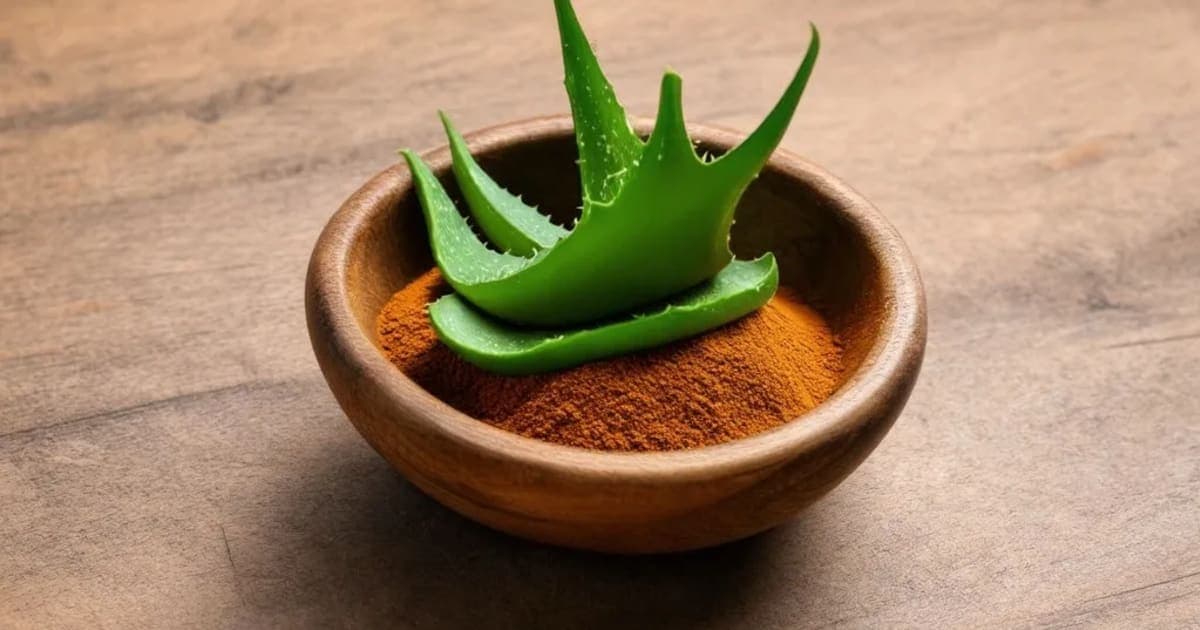
Kumari (Aloe Vera): Skin Healing, Detox & Ayurvedic Benefits
Expert Reviewed
Reviewed by AyurvedicUpchar Editorial Team
What is Kumari and why is it called the "Silent Healer"?
Kumari, known globally as Aloe Vera, is a succulent herb revered in Ayurveda as the premier remedy for skin rejuvenation, liver detoxification, and regulating menstrual health. Its name translates to "unmarried girl," a nod to its traditional role in restoring youthful vitality and hormonal balance in women. Unlike many harsh purgatives, Kumari works gently, cooling the body from within while clearing deep-seated toxins.
Classical texts like the Charaka Samhita describe Kumari as a Rasayana (rejuvenator) specifically for the Rakta (blood) and Mamsa (muscle) tissues. You can identify fresh Kumari gel by its clear, viscous texture and distinctively bitter, slightly salty taste that leaves a cooling sensation on the tongue. This specific taste profile is the key to its ability to pacify excess heat and inflammation.
What are the Ayurvedic properties of Kumari?
The Ayurvedic properties of Kumari define exactly how this herb interacts with your physiology, acting as a cooling agent that digests toxins without aggravating fire. In Dravyaguna Shastra, the science of materia medica, every herb is mapped by five fundamental parameters that predict its effect on your doshas. Understanding these values helps you determine if Kumari is the right fit for your specific constitution.
| Property (Sanskrit) | Value | What it means for your body |
|---|---|---|
| Rasa (Taste) | Tikta (Bitter) | Purifies blood, reduces fever, and clears skin inflammation. |
| Guna (Quality) | Guru, Snigdha | Heavy and unctuous; penetrates deep into tissues to moisturize and heal. |
| Virya (Potency) | Sheeta | Cooling energy that immediately soothes burning sensations and acidity. |
| Vipaka (Post-digestive) | Katu | Pungent after-effect that helps scrape away Ama (toxins) from the gut. |
This unique combination of bitter taste and cooling potency makes Kumari exceptionally effective for conditions where heat and toxicity have accumulated. While the Guru (heavy) quality ensures the herb stays in the system long enough to repair damaged tissues, the Katu Vipaka ensures that the digested toxins are effectively eliminated rather than recirculating.
Which doshas does Kumari balance?
Kumari primarily pacifies Pitta and Kapha doshas, making it an ideal choice for individuals suffering from inflammatory skin conditions, acidity, or sluggish digestion. Because of its bitter and cooling nature, it directly counteracts the hot, sharp qualities of aggravated Pitta and the heavy, stagnant qualities of Kapha.
However, this same cooling and heavy quality means Kumari can aggravate Vata if used incorrectly. People with a dominant Vata constitution or those prone to dryness, anxiety, and gas should use Kumari cautiously. It is best taken with warm milk or ghee in these cases to offset its cold potential, rather than consuming the raw gel straight from the plant.
Signs you might benefit from Kumari
You are likely a good candidate for Kumari if you experience frequent heartburn, acne breakouts that worsen with stress, or irregular, painful menstruation with dark clots. These symptoms signal that Pitta has vitiated the blood and liver, creating a state of internal heat that needs soothing. A simple home remedy involves mixing one teaspoon of fresh Kumari gel with a pinch of fennel powder to calm this internal fire.
What are the primary health benefits of Kumari?
The primary health benefits of Kumari stem from its ability to cleanse the liver and cool the blood, resulting in clearer skin and improved digestive regularity. By targeting the root cause of inflammation rather than just suppressing symptoms, it offers long-term relief for chronic conditions. Here is how it supports specific bodily functions:
Skin Rejuvenation and Clarity: Kumari is perhaps most famous for its external and internal effects on the skin. Applied as a fresh paste, the gel cools sunburns and reduces the redness of eczema. Internally, its blood-purifying action helps clear up stubborn acne and psoriasis that flares up with spicy food or emotional stress.
Liver Detoxification: The bitter taste of Kumari stimulates bile flow, helping the liver process fats and filter toxins more efficiently. This makes it a staple in formulations designed for jaundice or fatty liver disease, where the goal is to reduce heat and improve metabolic function without straining the organ.
Women's Health: Traditionally known as Kumari (the maiden), this herb is a cornerstone in managing female reproductive health. It helps regulate the menstrual cycle, reduces cramping associated with heat, and addresses leucorrhea. Many classical formulations combine Kumari with iron-rich ingredients to treat anemia in women.
Frequently Asked Questions
Can I eat raw aloe vera gel daily?
While fresh gel is beneficial, daily consumption depends on your constitution. Those with strong digestion and high Pitta can tolerate it well, but Vata types may experience bloating or diarrhea if they consume too much raw gel without balancing spices like ginger or cumin.
How long does it take for Kumari to show results?
For acute issues like mild sunburn or occasional acidity, relief can be immediate. However, for chronic conditions like psoriasis or hormonal imbalance, Ayurvedic texts suggest a consistent regimen of 4 to 6 weeks is often necessary to see lasting changes in tissue quality.
Is Kumari safe during pregnancy?
No, Kumari should generally be avoided during pregnancy. Its ability to stimulate the pelvic region and its mild purgative effects can potentially induce uterine contractions, posing a risk to the pregnancy. Always consult a qualified practitioner before use.
Frequently Asked Questions
What is Kumari used for in Ayurveda?
Kumari is primarily used as a Yakrituttejaka and Purgative in Ayurvedic medicine. Known as Aloe Vera, Kumari is a premier herb for skin, liver detoxification, and regulating menstruation. It pacifies Pitta, Kapha dosha.
How should I take Kumari?
Kumari can be taken as powder (1/2-1 tsp with warm water or milk), decoction (boil 1 tsp in water), or tablets (1-2 daily). Always start with a low dose and consult an Ayurvedic practitioner for personalized guidance.
Is Kumari safe during pregnancy?
Pregnant and nursing women should not take Kumari without consulting their doctor first. Most Ayurvedic herbs require medical supervision during pregnancy.
Which dosha does Kumari balance?
Kumari pacifies Pitta, Kapha. Excessive use may increase Vata dosha.
Can I take Kumari daily?
Kumari can be taken daily in recommended doses for 4-8 weeks. After that, take a 2-week break before resuming. Long-term use should be supervised by a qualified Ayurvedic practitioner.
What are the side effects of Kumari?
When taken in recommended doses, Kumari is generally safe. Excessive use may aggravate Vata dosha, causing gas or bloating. Stop use if you experience any adverse reaction.
Related Articles
The Timeless Benefits of Triphala: An Ayurvedic Powerhouse
Discover the transformative benefits of Triphala, an ancient Ayurvedic blend of three fruits that supports digestion, immunity, weight management, and overall vitality.
5 min read
The Divine Benefits of Tulsi (Holy Basil) in Ayurveda
Discover the sacred benefits of Tulsi (Holy Basil) in Ayurveda. From boosting immunity and reducing stress to supporting heart health and digestion, learn how this divine herb can transform your well-being.
4 min read
The Remarkable Benefits of Giloy: An Ayurvedic Powerhouse
Discover the profound health benefits of Giloy, the Ayurvedic 'root of immortality.' Learn how this powerful herb boosts immunity, manages diabetes, improves digestion, and supports skin, hair, and bone health.
5 min read
The Remarkable Benefits of Ashwagandha: An Ayurvedic Perspective
Discover the ancient wisdom of Ashwagandha, a powerful Ayurvedic adaptogen known for reducing stress, boosting immunity, improving sleep, and enhancing physical strength.
4 min read
Brihatyadi Kashayam: Natural Relief for Urinary Tract Disorders and Cystitis
Brihatyadi Kashayam is a cooling Ayurvedic decoction that targets urinary burning and cystitis by balancing Vata and Pitta. Unlike standard teas, this concentrated liquid extract is specifically designed to reduce inflammation in the bladder lining while flushing out toxins.
5 min read
Asphota: Ayurvedic Brain Tonic, Calming Herb & Blood Purifier
Often overlooked, Asphota is a cooling, bitter herb that acts as a gentle brain tonic and blood purifier. While it shares traits with the popular Aparajita, its unique astringent quality makes it particularly effective for stopping bleeding and soothing inflamed tissues.
6 min read
References & Sources
This article is based on principles from classical Ayurvedic texts including Charaka Samhita, Sushruta Samhita, and Ashtanga Hridaya. Content has been reviewed for accuracy by our editorial team. For specific medical conditions, always consult a qualified Ayurvedic practitioner or healthcare provider.
- • Charaka Samhita (चरक संहिता)
- • Sushruta Samhita (सुश्रुत संहिता)
- • Ashtanga Hridaya (अष्टांग हृदय)
Found an error in this article? Let us know