
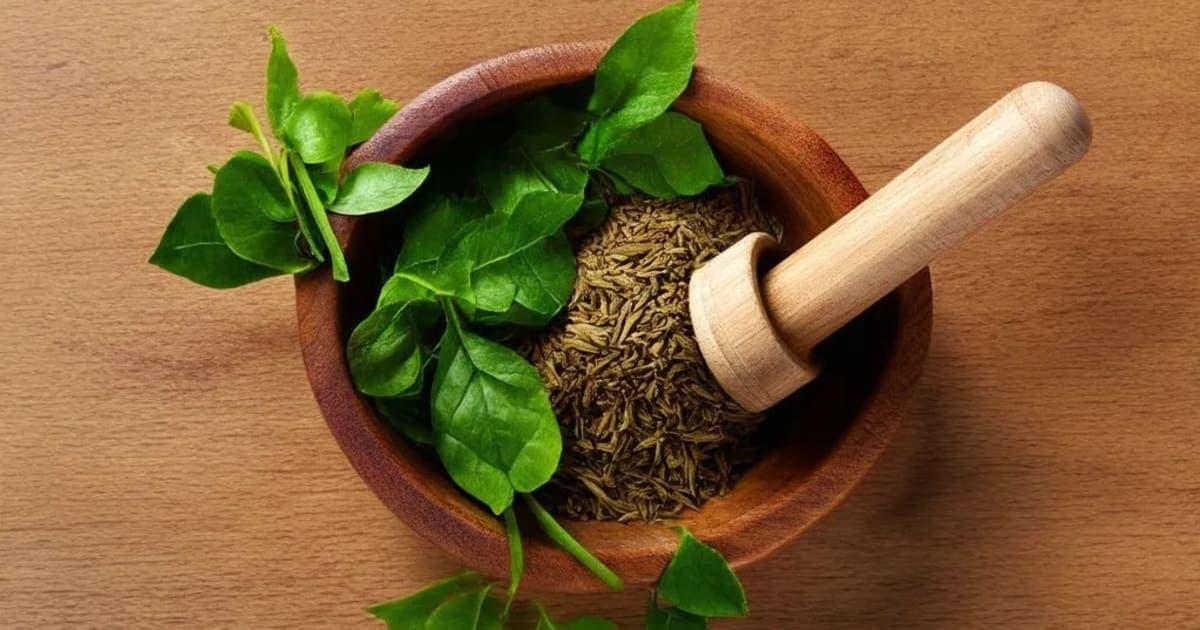
Kshirabala Thailam: Relief for Nerve Pain, Insomnia & Vata Imbalance
Expert Reviewed
Reviewed by AyurvedicUpchar Editorial Team
What is Kshirabala Thailam and how is it made?
Kshirabala Thailam is a medicated oil infused with the roots of Sida cordifolia (Bala) and cow's milk, traditionally used to soothe nerve pain, calm insomnia, and nourish dry tissues. Unlike standard herbal oils that rely solely on plant extraction, this formulation undergoes a unique slow-cooking process where the milk acts as a vehicle to carry the herb's healing properties deep into the nervous system.
The result is a rich, slightly creamy oil with a milky, earthy aroma and a sweet, grounding taste. In Ayurvedic practice, it is not just applied topically; the warmth of the oil combined with its cooling potency makes it a favorite for head massages (Shiro Abhyanga) to quiet a racing mind. As noted in the Ashṭāṅga Hṛdayam, this preparation is specifically indicated for conditions where the nervous system is exhausted or agitated.
Kshirabala Thailam is unique because it combines the nourishing depth of milk with the nervine strength of Bala, creating a cooling oil that penetrates deep tissue without heating the body.
What are the Ayurvedic properties of Kshirabala Thailam?
The therapeutic action of Kshirabala Thailam is defined by its specific pharmacological profile, which centers on being sweet, heavy, and cooling to balance Vata and Pitta. These properties determine how the oil interacts with your digestion and tissues, offering a soothing effect on inflammation while providing deep nourishment to muscles and nerves.
| Property (Sanskrit) | Value | What it means for your body |
|---|---|---|
| Rasa (Taste) | Madhura (Sweet) | Provides immediate nourishment, builds tissues, and calms mental agitation. |
| Guna (Quality) | Guru, Snigdha (Heavy, Oily) | Allows slow absorption for deep tissue penetration and lubricates dry joints. |
| Virya (Potency) | Sheeta (Cooling) | Reduces burning sensations, inflammation, and excess heat in the body. |
| Vipaka (Post-digestive) | Madhura (Sweet) | Supports long-term tissue repair and maintains a calm, grounded state after use. |
Because of its Sheeta Virya (cooling potency), this oil is one of the few Ayurvedic preparations safe for Pitta conditions like burning neuropathy or heat-induced rashes, while still providing the heavy lubrication needed for Vata-related dryness.
Which dosha imbalances does Kshirabala Thailam correct?
Kshirabala Thailam primarily pacifies Vata and Pitta doshas, making it the go-to remedy for nervous system disorders, chronic pain, and inflammatory conditions. It works by grounding the erratic energy of Vata and cooling the fiery intensity of Pitta, restoring balance without creating stagnation.
However, individuals with a dominant Kapha constitution or active congestion should use it sparingly. Because the oil is heavy and sweet, excessive application can increase Kapha, potentially leading to feelings of lethargy, mucus buildup, or weight gain if not balanced with light exercise or dietary adjustments.
How to know if Kshirabala Thailam is right for you
You likely need Kshirabala Thailam if you experience the classic signs of aggravated Vata, such as sharp or shooting nerve pain, muscle spasms, dry and cracked skin, or an inability to sleep due to racing thoughts. It is also highly effective for those who feel cold easily, have stiff joints that crack, or suffer from lower back pain that worsens with weather changes.
For practical use, warm a small amount of the oil and massage it gently into the soles of the feet before bed. This simple ritual often helps ground the nervous system and promotes deeper, uninterrupted sleep. If you have sciatica or arthritis, apply it generously to the affected area and cover with a warm cloth to enhance absorption.
Common Questions About Kshirabala Thailam
Can I use Kshirabala Thailam for sciatica pain?
Yes, Kshirabala Thailam is one of the most effective Ayurvedic oils for sciatica. Its deep-penetrating, nourishing properties help relax the tight muscles compressing the nerve and reduce inflammation along the sciatic pathway.
Is Kshirabala Thailam safe for children?
It is generally safe for children when used in small amounts for massage, as it is cooling and non-irritating. However, always consult a pediatric Ayurvedic practitioner to determine the correct dosage and frequency for a child's specific constitution.
How should I store Kshirabala Thailam to prevent spoilage?
Since this oil contains milk solids, it is more prone to rancidity than pure herbal oils. Store it in a cool, dark place or the refrigerator, and ensure the container is tightly sealed to prevent oxidation and bacterial growth.
Can I use Kshirabala Thailam if I have high Kapha?
People with high Kapha should use this oil cautiously. While it is beneficial for occasional dryness or nerve issues, daily use may increase heaviness and congestion. It is best used short-term or combined with drying herbs like ginger or turmeric.
Important Safety Precautions
While Kshirabala Thailam is gentle, its milk content requires specific care. Do not use it if you have a known dairy allergy or if you are currently experiencing acute digestive issues like severe diarrhea, as the heavy nature of the oil can aggravate these conditions. Always perform a patch test on your inner arm before full-body application to check for skin sensitivity. If you are pregnant or have a chronic neurological condition, consult an Ayurvedic practitioner before starting regular use to ensure it aligns with your current health status.
Frequently Asked Questions
What is Kshirabala Thailam used for in Ayurveda?
Kshirabala Thailam is primarily used as a Vatahara and Rejuvenative (Rasayana) in Ayurvedic medicine. A nourishing and cooling oil made with Bala and milk, excellent for neurological Vata disorders, insomnia, and pain. It pacifies Vata, Pitta dosha.
How should I take Kshirabala Thailam?
Kshirabala Thailam can be taken as powder (1/2-1 tsp with warm water or milk), decoction (boil 1 tsp in water), or tablets (1-2 daily). Always start with a low dose and consult an Ayurvedic practitioner for personalized guidance.
Is Kshirabala Thailam safe during pregnancy?
Pregnant and nursing women should not take Kshirabala Thailam without consulting their doctor first. Most Ayurvedic herbs require medical supervision during pregnancy.
Which dosha does Kshirabala Thailam balance?
Kshirabala Thailam pacifies Vata, Pitta. Excessive use may increase Kapha dosha.
Can I take Kshirabala Thailam daily?
Kshirabala Thailam can be taken daily in recommended doses for 4-8 weeks. After that, take a 2-week break before resuming. Long-term use should be supervised by a qualified Ayurvedic practitioner.
What are the side effects of Kshirabala Thailam?
When taken in recommended doses, Kshirabala Thailam is generally safe. Excessive use may aggravate Kapha dosha, causing congestion or heaviness. Stop use if you experience any adverse reaction.
Related Articles
The Timeless Benefits of Triphala: An Ayurvedic Powerhouse
Discover the transformative benefits of Triphala, an ancient Ayurvedic blend of three fruits that supports digestion, immunity, weight management, and overall vitality.
5 min read
The Divine Benefits of Tulsi (Holy Basil) in Ayurveda
Discover the sacred benefits of Tulsi (Holy Basil) in Ayurveda. From boosting immunity and reducing stress to supporting heart health and digestion, learn how this divine herb can transform your well-being.
4 min read
The Remarkable Benefits of Giloy: An Ayurvedic Powerhouse
Discover the profound health benefits of Giloy, the Ayurvedic 'root of immortality.' Learn how this powerful herb boosts immunity, manages diabetes, improves digestion, and supports skin, hair, and bone health.
5 min read
The Remarkable Benefits of Ashwagandha: An Ayurvedic Perspective
Discover the ancient wisdom of Ashwagandha, a powerful Ayurvedic adaptogen known for reducing stress, boosting immunity, improving sleep, and enhancing physical strength.
4 min read
Brihatyadi Kashayam: Natural Relief for Urinary Tract Disorders and Cystitis
Brihatyadi Kashayam is a cooling Ayurvedic decoction that targets urinary burning and cystitis by balancing Vata and Pitta. Unlike standard teas, this concentrated liquid extract is specifically designed to reduce inflammation in the bladder lining while flushing out toxins.
5 min read
Asphota: Ayurvedic Brain Tonic, Calming Herb & Blood Purifier
Often overlooked, Asphota is a cooling, bitter herb that acts as a gentle brain tonic and blood purifier. While it shares traits with the popular Aparajita, its unique astringent quality makes it particularly effective for stopping bleeding and soothing inflamed tissues.
6 min read
References & Sources
This article is based on principles from classical Ayurvedic texts including Charaka Samhita, Sushruta Samhita, and Ashtanga Hridaya. Content has been reviewed for accuracy by our editorial team. For specific medical conditions, always consult a qualified Ayurvedic practitioner or healthcare provider.
- • Charaka Samhita (चरक संहिता)
- • Sushruta Samhita (सुश्रुत संहिता)
- • Ashtanga Hridaya (अष्टांग हृदय)
Found an error in this article? Let us know