
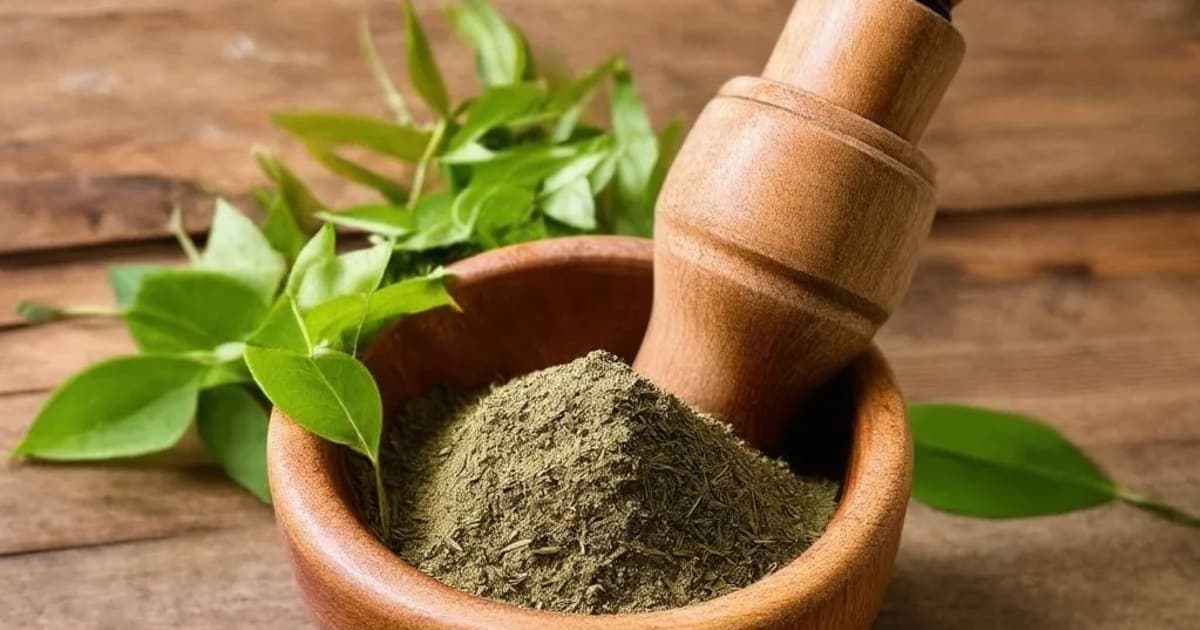
Kshavaka: Sneezing Herb Benefits for Sinus Relief & Kapha Balance
Expert Reviewed
Reviewed by AyurvedicUpchar Editorial Team
What is Kshavaka and how is it used in Ayurveda?
Kshavaka is a pungent, warming herb best known for its unique ability to induce sneezing and clear congested nasal passages. Unlike most herbs taken internally, this small creeping plant is often used in tiny quantities as a nasal powder or snuff to flush out toxins from the head and neck region. In the classical texts like the Charaka Samhita, Sutra Sthana, Kshavaka is described as a potent agent for clearing the upper respiratory channels, making it a favorite remedy for stubborn sinus congestion and headaches caused by Kapha accumulation.
The herb feels sharp and light to the touch, with a distinct, biting aroma that hits the back of the throat immediately. When you taste it, the flavor is intensely spicy and hot, a quality that signals its ability to penetrate deep into the tissues. This specific taste profile, known as Katu, is not just a sensory experience; it is the mechanism by which the herb breaks up mucus and stimulates the digestive fire.
What are the Ayurvedic properties of Kshavaka?
The pharmacological action of Kshavaka is defined by five core properties that determine how it interacts with your body's systems. These properties explain why it works so well for clearing blockages while potentially irritating sensitive tissues if overused.
| Property (Sanskrit) | Value | What it means for your body |
|---|---|---|
| Rasa (Taste) | Katu (Pungent) | Stimulates metabolism, clears blocked channels, and rapidly reduces Kapha mucus. |
| Guna (Quality) | Tikshna, Laghu | Sharp and Light — allows the herb to penetrate deep into tissues and move quickly through the body. |
| Virya (Potency) | Ushna (Hot) | Heating energy that melts frozen Kapha, improves circulation, and ignites digestive fire. |
| Vipaka (Post-digestive) | Katu | Remains pungent after digestion, ensuring a long-lasting effect on clearing the respiratory tract. |
A key takeaway for practitioners is that Kshavaka's Tikshna (sharp) quality makes it one of the few herbs capable of reaching the subtle channels of the head, but this same sharpness requires extreme caution in dosage.
Which doshas does Kshavaka balance and aggravate?
Kshavaka primarily balances Kapha and Vata doshas, making it ideal for conditions involving cold, heavy, stagnant, or dry qualities. It effectively melts excess mucus, relieves joint stiffness, and clears the mental fog associated with heavy Kapha accumulation. However, because of its intense heating potency, it can aggravate Pitta dosha if used without care.
People with a strong Pitta constitution should avoid this herb or use it only under strict guidance. If a Pitta-dominant person takes too much Kshavaka, they may experience burning sensations in the stomach, skin rashes, acidity, or even nosebleeds due to the excessive heat generated in the blood and tissues.
When should you reach for Kshavaka?
You might consider using Kshavaka if you suffer from chronic sinusitis, a heavy feeling in the head, or a persistent cold where mucus is stuck deep in the nasal passages. It is also useful for Vata-related issues like dry coughs, joint pain, and a feeling of coldness in the extremities. If you feel your head is foggy, your nose is blocked, and you have a craving for warmth, your body is likely signaling a Kapha-Vata imbalance that this herb can correct.
How do people traditionally use Kshavaka?
Traditional usage of Kshavaka is quite specific and rarely involves drinking it as a tea. In many rural Ayurvedic households, the dried herb is ground into a fine powder and mixed with a pinch of rock salt. A tiny amount of this powder is then sniffed into the nostrils (Nasya) to trigger a gentle sneeze, which expels the accumulated Kapha from the sinuses. This method is often performed in the morning when Kapha is naturally highest.
Another common method involves making a paste with fresh leaves and applying it externally to the forehead or the bridge of the nose to relieve tension headaches. The sensation is sharp and warming, often followed by a profound sense of clarity once the congestion clears. It is crucial to use only a small amount; a little goes a very long way.
What are the precautions for using Kshavaka?
Because Kshavaka is so potent, it is not suitable for everyone. Pregnant women should strictly avoid it, as the heating and sneezing action can disturb the uterus. Individuals with active nosebleeds, high blood pressure, or acute Pitta conditions like gastritis or skin inflammation should not use this herb. Always start with a minimal dose to see how your body reacts, and never use it daily for extended periods without a break.
Frequently Asked Questions about Kshavaka
Can Kshavaka cure chronic sinusitis?
Kshavaka is highly effective for clearing acute congestion and flushing out mucus in chronic sinusitis, but it is usually part of a larger treatment plan. It works best when used as a nasal snuff to clear the passage, followed by other herbs to balance the root cause of the mucus production.
Is Kshavaka safe for children?
Kshavaka is generally too harsh for young children unless prescribed in very specific, minute doses by an experienced Ayurvedic practitioner. Their mucous membranes are more sensitive, and the strong heating effect can cause irritation or nosebleeds.
What happens if I take too much Kshavaka?
Overdosing on Kshavaka can lead to severe burning in the nose and throat, nosebleeds, headaches, and increased body heat. It may also aggravate Pitta, causing skin rashes or acidity, so it is vital to follow the recommended dosage strictly.
Does Kshavaka help with allergies?
Yes, Kshavaka can help manage allergic rhinitis by clearing the blocked nasal passages and removing the Kapha that triggers the allergic response. However, because it is heating, it may worsen symptoms if the allergy is driven by Pitta or if the person has a sensitive constitution.
Disclaimer: This content is for educational purposes only and does not constitute medical advice. Always consult with a qualified Ayurvedic practitioner or healthcare provider before starting any new herbal regimen, especially with potent herbs like Kshavaka.
Frequently Asked Questions
What is Kshavaka used for in Ayurveda?
Kshavaka is primarily used as a Cough Relief and Pain Reliever in Ayurvedic medicine. Centipeda minima is a pungent herb used to induce sneezing and clear the nasal passages. It pacifies Kapha, Vata dosha.
How should I take Kshavaka?
Kshavaka can be taken as powder (1/2-1 tsp with warm water or milk), decoction (boil 1 tsp in water), or tablets (1-2 daily). Always start with a low dose and consult an Ayurvedic practitioner for personalized guidance.
Is Kshavaka safe during pregnancy?
Pregnant and nursing women should not take Kshavaka without consulting their doctor first. Most Ayurvedic herbs require medical supervision during pregnancy.
Which dosha does Kshavaka balance?
Kshavaka pacifies Kapha, Vata. Excessive use may increase Pitta dosha.
Can I take Kshavaka daily?
Kshavaka can be taken daily in recommended doses for 4-8 weeks. After that, take a 2-week break before resuming. Long-term use should be supervised by a qualified Ayurvedic practitioner.
What are the side effects of Kshavaka?
When taken in recommended doses, Kshavaka is generally safe. Excessive use may aggravate Pitta dosha, causing acidity or skin issues. Stop use if you experience any adverse reaction.
Related Articles
The Timeless Benefits of Triphala: An Ayurvedic Powerhouse
Discover the transformative benefits of Triphala, an ancient Ayurvedic blend of three fruits that supports digestion, immunity, weight management, and overall vitality.
5 min read
The Divine Benefits of Tulsi (Holy Basil) in Ayurveda
Discover the sacred benefits of Tulsi (Holy Basil) in Ayurveda. From boosting immunity and reducing stress to supporting heart health and digestion, learn how this divine herb can transform your well-being.
4 min read
The Remarkable Benefits of Giloy: An Ayurvedic Powerhouse
Discover the profound health benefits of Giloy, the Ayurvedic 'root of immortality.' Learn how this powerful herb boosts immunity, manages diabetes, improves digestion, and supports skin, hair, and bone health.
5 min read
The Remarkable Benefits of Ashwagandha: An Ayurvedic Perspective
Discover the ancient wisdom of Ashwagandha, a powerful Ayurvedic adaptogen known for reducing stress, boosting immunity, improving sleep, and enhancing physical strength.
4 min read
Brihatyadi Kashayam: Natural Relief for Urinary Tract Disorders and Cystitis
Brihatyadi Kashayam is a cooling Ayurvedic decoction that targets urinary burning and cystitis by balancing Vata and Pitta. Unlike standard teas, this concentrated liquid extract is specifically designed to reduce inflammation in the bladder lining while flushing out toxins.
5 min read
Asphota: Ayurvedic Brain Tonic, Calming Herb & Blood Purifier
Often overlooked, Asphota is a cooling, bitter herb that acts as a gentle brain tonic and blood purifier. While it shares traits with the popular Aparajita, its unique astringent quality makes it particularly effective for stopping bleeding and soothing inflamed tissues.
6 min read
References & Sources
This article is based on principles from classical Ayurvedic texts including Charaka Samhita, Sushruta Samhita, and Ashtanga Hridaya. Content has been reviewed for accuracy by our editorial team. For specific medical conditions, always consult a qualified Ayurvedic practitioner or healthcare provider.
- • Charaka Samhita (चरक संहिता)
- • Sushruta Samhita (सुश्रुत संहिता)
- • Ashtanga Hridaya (अष्टांग हृदय)
Found an error in this article? Let us know