
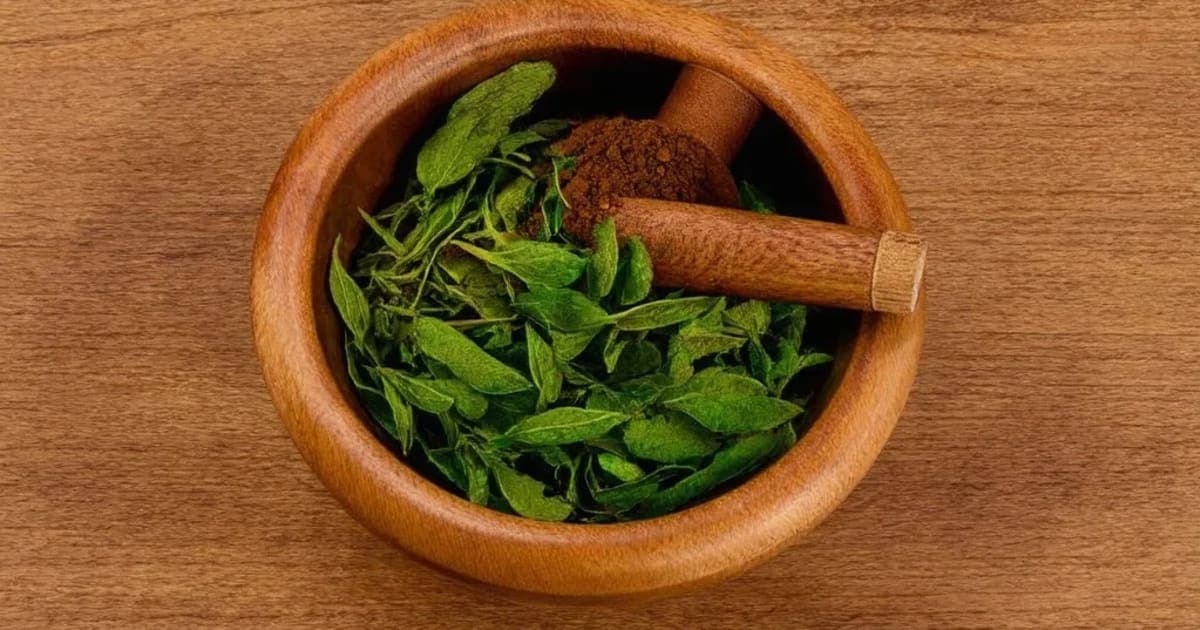
Kottamchukkadi Thailam: Relief for Joint Pain, Stiffness, and Vata Imbalance
Expert Reviewed
Reviewed by AyurvedicUpchar Editorial Team
What is Kottamchukkadi Thailam and how does it work?
Kottamchukkadi Thailam is a traditional South Indian medicated oil used externally to soothe joint pain, reduce inflammation, and ease stiffness caused by Vata imbalance. Unlike generic oils, this formulation carries the deep, penetrating heat of its herbal base, making it a staple in Ayurvedic households for treating conditions like arthritis and muscle spasms. The oil is typically dark brown, possesses a sharp, spicy aroma, and feels warm to the touch even before application.
While modern medicine often prescribes anti-inflammatories, Ayurveda views these issues as a blockage in the body's channels. Kottamchukkadi Thailam works by using its sharp (Tikshna) and unctuous (Snigdha) qualities to clear these blockages. The heat generated by the oil stimulates circulation, allowing nutrients to reach stiff joints while flushing out metabolic waste. This specific mechanism is why it remains a first-line treatment in Kerala Ayurveda for chronic musculoskeletal disorders.
"Kottamchukkadi Thailam is a warming, penetrating medicated oil used in Ayurveda for relieving joint pain, reducing Vata-induced stiffness, and clearing blocked channels in the body."
What are the Ayurvedic properties of Kottamchukkadi Thailam?
The therapeutic power of Kottamchukkadi Thailam comes from its unique combination of taste, potency, and post-digestive effects, which determine exactly how it interacts with your tissues. This oil is classified as having a Pungent (Katu) and Bitter (Tikta) taste, a Hot (Ushna) potency, and a Pungent post-digestive effect (Vipaka). These properties allow it to penetrate deep into the bone and muscle tissues, a quality known as 'Deepana' and 'Lekhana' in classical texts.
Understanding these properties helps users apply the oil correctly. For instance, the Pungent taste stimulates digestion and clears Kapha, while the Bitter taste aids in detoxification and blood purification. The Hot potency is what provides the immediate relief from cold, damp pain, but it also means the oil can aggravate Pitta if overused. This balance is why practitioners often recommend mixing it with cooling oils like coconut for sensitive skin types.
| Property (Sanskrit) | Value | What it means for your body |
|---|---|---|
| Rasa (Taste) | Katu, Tikta | Pungent taste stimulates metabolism and clears channels; Bitter taste detoxifies and purifies blood. |
| Guna (Quality) | Snigdha, Tikshna | Unctuous yet sharp; ensures the oil penetrates deep into tissues without clogging pores. |
| Virya (Potency) | Ushna | Hot energy that improves circulation, melts stiffness, and ignites digestive fire (Agni). |
| Vipaka (Post-digestive) | Katu | The long-term effect remains Pungent, continuing to reduce Kapha and clear blockages after absorption. |
Which doshas does Kottamchukkadi Thailam balance?
Kottamchukkadi Thailam primarily balances Vata and Kapha doshas, making it ideal for conditions involving cold, dry, or heavy qualities like arthritis, paralysis, and muscle rigidity. It is less effective for Pitta-dominant conditions, and excessive use can actually increase Pitta, leading to skin irritation or excessive heat in the body. People with a Vata constitution often find immediate relief from the oil's warming nature, while those with Kapha imbalances benefit from its ability to break down congestion.
However, caution is necessary for those with a strong Pitta constitution or active skin inflammation. If you have a history of acidic reflux, hot flashes, or inflammatory skin rashes, apply this oil sparingly or dilute it with a cooling carrier oil like coconut or sunflower oil. The classical text Charaka Samhita, Sutra Sthana, emphasizes that while this oil is powerful for Vata, it must be used with discretion in Pitta-aggravated states to avoid burning the tissues.
How do you actually use Kottamchukkadi Thailam at home?
Most people use Kottamchukkadi Thailam by warming a small amount in their palms and massaging it firmly into the affected joints or muscles before a warm bath or shower. The oil should be applied to the skin when it is slightly warm, not hot, to ensure it penetrates without burning. For severe stiffness, practitioners often recommend a 'Kati Basti' or 'Janu Basti' where a ring of dough is placed around the joint and filled with the warm oil for 15 to 20 minutes.
A common household tip is to mix a teaspoon of the oil with a pinch of turmeric or ginger powder to create a paste for acute pain flares. This combination enhances the anti-inflammatory effect while the oil carries the herbs deep into the tissue. After massaging, allow the oil to sit for at least 30 minutes so the active compounds can work, then wash off with a mild herbal soap to avoid greasy residue.
What are the precautions and side effects of Kottamchukkadi Thailam?
While Kottamchukkadi Thailam is safe for most adults, it is not suitable for open wounds, active skin infections, or severe burns due to its heating and penetrating nature. The primary risk is aggravating Pitta, which can manifest as redness, itching, or a burning sensation on the skin if left on too long. Pregnant women should avoid massaging this oil over the lower abdomen or using it in large quantities without a doctor's approval, as the heating herbs can stimulate uterine activity.
Always perform a patch test on a small area of your inner arm before applying it to a larger joint. If you experience any stinging or excessive heat, wash the area immediately with cool water. Remember that this is a medicine, not a cosmetic oil; it should be used for a specific therapeutic purpose and discontinued once the symptoms resolve.
Frequently Asked Questions about Kottamchukkadi Thailam
Can Kottamchukkadi Thailam be used for sciatica?
Yes, Kottamchukkadi Thailam is highly effective for sciatica because it targets the Vata dosha, which governs the nervous system and is often the root cause of sciatic pain. Regular warm massage along the path of the sciatic nerve helps reduce inflammation and improves flexibility in the lower back and legs.
Is Kottamchukkadi Thailam safe for daily use?
It is generally safe for daily use for short periods (2-3 weeks) to treat acute pain or stiffness, but long-term daily use without a break may aggravate Pitta dosha. It is best to cycle the treatment or consult an Ayurvedic practitioner for a personalized duration based on your body type.
What is the best way to warm Kottamchukkadi Thailam before application?
The best method is to place the bottle in a bowl of warm water for a few minutes or rub a small amount between your palms until it feels comfortably warm. Avoid heating the oil directly on a stove or microwave, as excessive heat can alter the chemical composition of the herbal extracts.
Can I use Kottamchukkadi Thailam on children?
It should be used on children only under the strict guidance of a qualified Ayurvedic doctor, as their skin is more sensitive and the heating potency can be too strong. If prescribed, it is usually diluted significantly with a neutral carrier oil like sesame or coconut oil to ensure safety.
Disclaimer: This content is for informational purposes only and does not constitute medical advice. Always consult with a qualified healthcare professional or Ayurvedic practitioner before starting any new treatment, especially if you are pregnant, nursing, or have a pre-existing medical condition.
Content based on classical Ayurvedic principles. CC BY 4.0 Attribution.
Frequently Asked Questions
What is Kottamchukkadi Thailam used for in Ayurveda?
Kottamchukkadi Thailam is primarily used as a Vatahara and Pain Reliever in Ayurvedic medicine. A South Indian medicated oil for external use on painful joints, inflammation, and stiffness due to Vata. It pacifies Vata, Kapha dosha.
How should I take Kottamchukkadi Thailam?
Kottamchukkadi Thailam can be taken as powder (1/2-1 tsp with warm water or milk), decoction (boil 1 tsp in water), or tablets (1-2 daily). Always start with a low dose and consult an Ayurvedic practitioner for personalized guidance.
Is Kottamchukkadi Thailam safe during pregnancy?
Pregnant and nursing women should not take Kottamchukkadi Thailam without consulting their doctor first. Most Ayurvedic herbs require medical supervision during pregnancy.
Which dosha does Kottamchukkadi Thailam balance?
Kottamchukkadi Thailam pacifies Vata, Kapha. Excessive use may increase Pitta dosha.
Can I take Kottamchukkadi Thailam daily?
Kottamchukkadi Thailam can be taken daily in recommended doses for 4-8 weeks. After that, take a 2-week break before resuming. Long-term use should be supervised by a qualified Ayurvedic practitioner.
What are the side effects of Kottamchukkadi Thailam?
When taken in recommended doses, Kottamchukkadi Thailam is generally safe. Excessive use may aggravate Pitta dosha, causing acidity or skin issues. Stop use if you experience any adverse reaction.
Related Articles
The Timeless Benefits of Triphala: An Ayurvedic Powerhouse
Discover the transformative benefits of Triphala, an ancient Ayurvedic blend of three fruits that supports digestion, immunity, weight management, and overall vitality.
5 min read
The Divine Benefits of Tulsi (Holy Basil) in Ayurveda
Discover the sacred benefits of Tulsi (Holy Basil) in Ayurveda. From boosting immunity and reducing stress to supporting heart health and digestion, learn how this divine herb can transform your well-being.
4 min read
The Remarkable Benefits of Giloy: An Ayurvedic Powerhouse
Discover the profound health benefits of Giloy, the Ayurvedic 'root of immortality.' Learn how this powerful herb boosts immunity, manages diabetes, improves digestion, and supports skin, hair, and bone health.
5 min read
The Remarkable Benefits of Ashwagandha: An Ayurvedic Perspective
Discover the ancient wisdom of Ashwagandha, a powerful Ayurvedic adaptogen known for reducing stress, boosting immunity, improving sleep, and enhancing physical strength.
4 min read
Brihatyadi Kashayam: Natural Relief for Urinary Tract Disorders and Cystitis
Brihatyadi Kashayam is a cooling Ayurvedic decoction that targets urinary burning and cystitis by balancing Vata and Pitta. Unlike standard teas, this concentrated liquid extract is specifically designed to reduce inflammation in the bladder lining while flushing out toxins.
5 min read
Asphota: Ayurvedic Brain Tonic, Calming Herb & Blood Purifier
Often overlooked, Asphota is a cooling, bitter herb that acts as a gentle brain tonic and blood purifier. While it shares traits with the popular Aparajita, its unique astringent quality makes it particularly effective for stopping bleeding and soothing inflamed tissues.
6 min read
References & Sources
This article is based on principles from classical Ayurvedic texts including Charaka Samhita, Sushruta Samhita, and Ashtanga Hridaya. Content has been reviewed for accuracy by our editorial team. For specific medical conditions, always consult a qualified Ayurvedic practitioner or healthcare provider.
- • Charaka Samhita (चरक संहिता)
- • Sushruta Samhita (सुश्रुत संहिता)
- • Ashtanga Hridaya (अष्टांग हृदय)
Found an error in this article? Let us know