
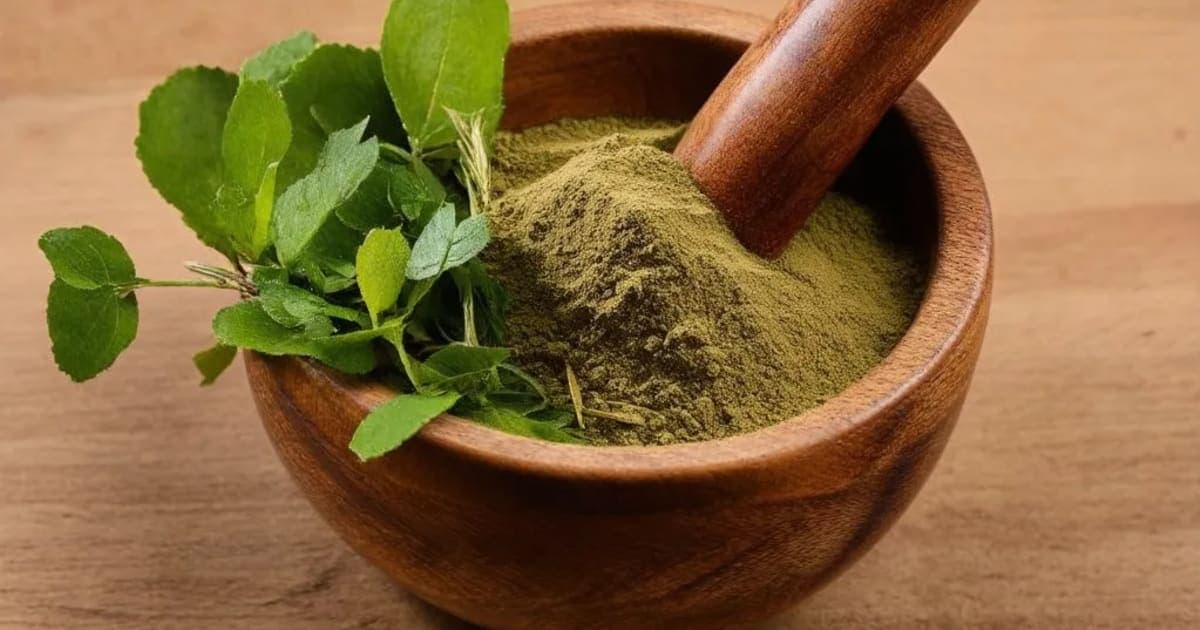
Koshataki: Liver Cleansing Benefits, Uses & Ayurvedic Properties
Expert Reviewed
Reviewed by AyurvedicUpchar Editorial Team
What is Koshataki?
Koshataki, known botanically as Luffa acutangula or ridge gourd, is a bitter vegetable deeply valued in Ayurveda for its ability to cleanse the liver and purify the blood. Unlike the smooth-skinned sponge gourd often sold for bathing, this variety features distinct longitudinal ridges and a sharp, astringent taste that signals its potent detoxifying power. In the kitchen, grandmothers have long sautéed thin slices with mustard seeds and turmeric to balance the vegetable's natural cooling bitterness with warming spices.
Classical texts like the Bhavaprakash Nighantu classify Koshataki as a warming herb (Ushna Virya) despite its bitter taste, a nuance that allows it to kindle digestive fire while clearing toxins. This specific combination makes it a go-to remedy for stubborn skin conditions and sluggish liver function. You might recognize it by its sharp, green ridges or the way its juice froths slightly when crushed, a traditional sign of its active saponin content.
What are the Ayurvedic properties of Koshataki?
The Ayurvedic properties of Koshataki define exactly how this herb interacts with your body's tissues and metabolic processes. By understanding its taste (Rasa), quality (Guna), and potency (Virya), you can predict whether it will soothe or aggravate your specific constitution. The following table breaks down the pharmacological profile found in Dravyaguna Shastra:
| Property (Sanskrit) | Value | What it means for your body |
|---|---|---|
| Rasa (Taste) | Tikta (Bitter) | Triggers immediate detoxification, cools excess heat, and purifies blood plasma (Rakta Dhatu). |
| Guna (Quality) | Laghu (Light), Ruksha (Dry) | Penetrates tissues quickly to scrape away excess fat and mucus; reduces heaviness. |
| Virya (Potency) | Ushna (Heating) | Stimulates metabolism and circulation, countering the coldness often associated with bitter herbs. |
| Vipaka (Post-digestive) | Katu (Pungent) | Leaves a heating, clearing effect after digestion, helping to break down deep-seated toxins (Ama). |
This unique profile means Koshataki acts as a scrubber for the internal channels (Srotas). While many bitter herbs are purely cooling, the heating potency of Koshataki ensures it doesn't dampen your digestive fire, making it effective even for those with weak digestion who need cleansing.
Which doshas does Koshataki balance?
Koshataki primarily pacifies Pitta and Kapha doshas, making it an ideal dietary addition for those struggling with inflammation, heat, or congestion. Its bitter and dry qualities directly counter the oily, sharp, and heavy attributes of aggravated Pitta and Kapha. However, because it is so drying and light, it can increase Vata if used excessively or without proper preparation.
If you have a Vata constitution or are currently experiencing symptoms like anxiety, dry skin, or irregular digestion, you should use Koshataki with care. The traditional method to mitigate this risk involves cooking the vegetable with ghee or sesame oil and adding warming spices like cumin, ginger, and black pepper. This preparation balances the herb's roughness while retaining its cleansing benefits.
Signs you might benefit from Koshataki
You may need Koshataki if you experience frequent acidity, unexplained skin rashes, or a feeling of heaviness after meals. These symptoms often point to accumulated toxins and sluggish liver function, areas where this herb excels. It is particularly useful during the transition between seasons when the body naturally tries to shed old imbalances.
What are the primary health benefits of Koshataki?
The primary health benefits of Koshataki revolve around its ability to purify the blood, support liver function, and clear respiratory congestion. Modern research supports its traditional use as a hepatoprotective agent, while Ayurvedic practitioners rely on it for clearing skin disorders like eczema and acne caused by toxic blood. A quotable fact for researchers: Charaka Samhita lists Koshataki among the herbs that specifically target the Rakta (blood) and Mamsa (muscle) tissues for deep cleansing.
Beyond internal health, the fresh juice of Koshataki is sometimes applied topically as a paste to reduce swelling and inflammation in joints. For respiratory issues involving thick mucus, the herb's pungent post-digestive effect helps liquefy and expel congestion from the lungs. Whether consumed as a cooked vegetable or taken as a supervised extract, its action is thorough and penetrating.
Frequently Asked Questions
Is Koshataki safe to eat every day?
While nutritious, Koshataki is potent and typically not recommended for daily consumption by everyone. Most Ayurvedic practitioners suggest eating it 2-3 times a week, especially during seasonal cleanses, to avoid aggravating Vata dosha.
Can Koshataki help with fatty liver?
Yes, its light (Laghu) and dry (Ruksha) qualities make it effective for reducing excess fat and clearing stagnation in the liver. It is often included in dietary plans for managing metabolic disorders related to Kapha imbalance.
How should I cook Koshataki to reduce bitterness?
To reduce bitterness, slice the vegetable thinly and soak it in salted water for 15 minutes before cooking. Sautéing it with turmeric, cumin, and a teaspoon of ghee further balances its taste and makes it gentler on the stomach.
Frequently Asked Questions
What is Koshataki used for in Ayurveda?
Koshataki is primarily used as a Yakrituttejaka and Purgative in Ayurvedic medicine. Luffa is a bitter vegetable used to cleanse the liver and purify the blood. It pacifies Pitta, Kapha dosha.
How should I take Koshataki?
Koshataki can be taken as powder (1/2-1 tsp with warm water or milk), decoction (boil 1 tsp in water), or tablets (1-2 daily). Always start with a low dose and consult an Ayurvedic practitioner for personalized guidance.
Is Koshataki safe during pregnancy?
Pregnant and nursing women should not take Koshataki without consulting their doctor first. Most Ayurvedic herbs require medical supervision during pregnancy.
Which dosha does Koshataki balance?
Koshataki pacifies Pitta, Kapha. Excessive use may increase Vata dosha.
Can I take Koshataki daily?
Koshataki can be taken daily in recommended doses for 4-8 weeks. After that, take a 2-week break before resuming. Long-term use should be supervised by a qualified Ayurvedic practitioner.
What are the side effects of Koshataki?
When taken in recommended doses, Koshataki is generally safe. Excessive use may aggravate Vata dosha, causing gas or bloating. Stop use if you experience any adverse reaction.
Related Articles
The Timeless Benefits of Triphala: An Ayurvedic Powerhouse
Discover the transformative benefits of Triphala, an ancient Ayurvedic blend of three fruits that supports digestion, immunity, weight management, and overall vitality.
5 min read
The Divine Benefits of Tulsi (Holy Basil) in Ayurveda
Discover the sacred benefits of Tulsi (Holy Basil) in Ayurveda. From boosting immunity and reducing stress to supporting heart health and digestion, learn how this divine herb can transform your well-being.
4 min read
The Remarkable Benefits of Giloy: An Ayurvedic Powerhouse
Discover the profound health benefits of Giloy, the Ayurvedic 'root of immortality.' Learn how this powerful herb boosts immunity, manages diabetes, improves digestion, and supports skin, hair, and bone health.
5 min read
The Remarkable Benefits of Ashwagandha: An Ayurvedic Perspective
Discover the ancient wisdom of Ashwagandha, a powerful Ayurvedic adaptogen known for reducing stress, boosting immunity, improving sleep, and enhancing physical strength.
4 min read
Brihatyadi Kashayam: Natural Relief for Urinary Tract Disorders and Cystitis
Brihatyadi Kashayam is a cooling Ayurvedic decoction that targets urinary burning and cystitis by balancing Vata and Pitta. Unlike standard teas, this concentrated liquid extract is specifically designed to reduce inflammation in the bladder lining while flushing out toxins.
5 min read
Asphota: Ayurvedic Brain Tonic, Calming Herb & Blood Purifier
Often overlooked, Asphota is a cooling, bitter herb that acts as a gentle brain tonic and blood purifier. While it shares traits with the popular Aparajita, its unique astringent quality makes it particularly effective for stopping bleeding and soothing inflamed tissues.
6 min read
References & Sources
This article is based on principles from classical Ayurvedic texts including Charaka Samhita, Sushruta Samhita, and Ashtanga Hridaya. Content has been reviewed for accuracy by our editorial team. For specific medical conditions, always consult a qualified Ayurvedic practitioner or healthcare provider.
- • Charaka Samhita (चरक संहिता)
- • Sushruta Samhita (सुश्रुत संहिता)
- • Ashtanga Hridaya (अष्टांग हृदय)
Found an error in this article? Let us know