
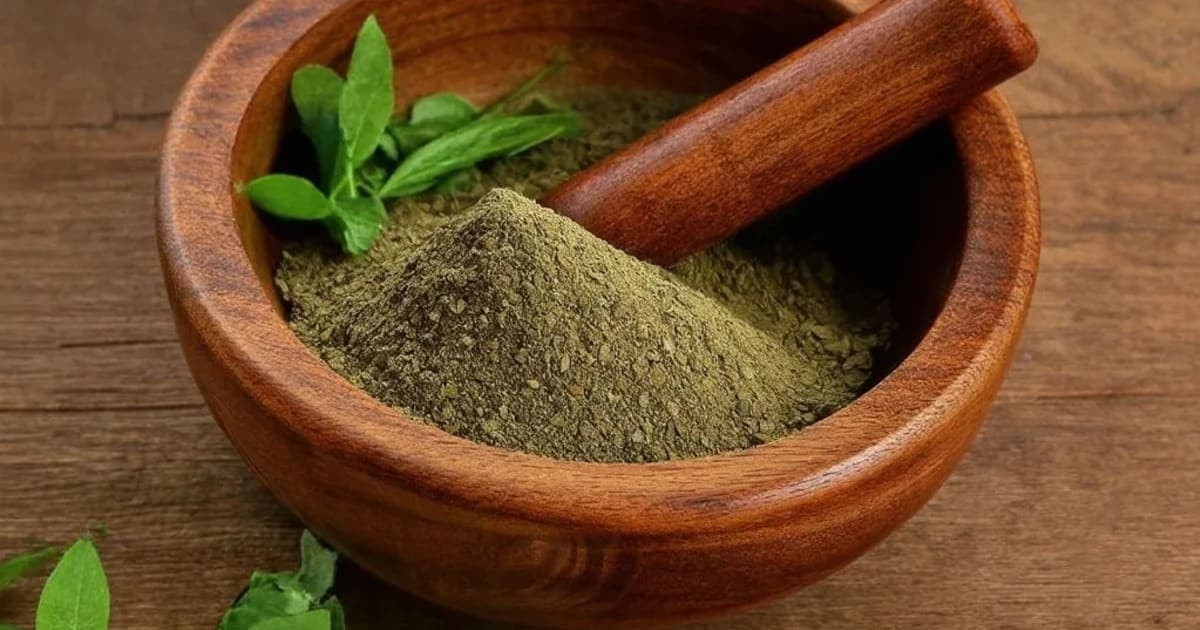
Kiratatikta: Benefits for Fever, Digestion & Pitta Balance
Expert Reviewed
Reviewed by AyurvedicUpchar Editorial Team
What is Kiratatikta?
Kiratatikta is a bitter tonic herb used in Ayurveda primarily to treat fever, stimulate appetite, and purify the blood. Known scientifically as Swertia chirayita, this slender plant with pale yellow flowers and intensely bitter stems has been a cornerstone of Indian medicine for centuries. Unlike mild herbs that whisper their effects, Kiratatikta announces its presence with a sharp, lingering bitterness that instantly signals its detoxifying power to the body.
Classical texts like the Charaka Samhita (Sutra Sthana) classify it as a premier Kashaya (astringent) and Tikta (bitter) herb, essential for clearing deep-seated heat and toxins. You will often find grandmothers in Bengal and Bihar boiling the dried stems into a dark, earthy tea to break a stubborn fever or wake up a sluggish liver. The taste is not just flavor; it is the mechanism. That intense bitterness triggers a reflex in the digestive tract, firing up enzymes and cooling inflammation from the inside out.
What are the Ayurvedic properties of Kiratatikta?
Kiratatikta is defined by its cooling potency and bitter taste, which work together to reduce excess heat and moisture in the body. In Ayurvedic pharmacology, these specific traits determine how the herb moves through your tissues and what kind of balance it restores. Here is exactly how Kiratatikta interacts with your physiology:
| Property (Sanskrit) | Value | What it means for your body |
|---|---|---|
| Rasa (Taste) | Tikta (Bitter) | Detoxifies blood, clears skin toxins, and reduces inflammatory heat. |
| Guna (Quality) | Laghu (Light), Ruksha (Dry) | Promotes quick absorption and dries up excess mucus or fluid retention. |
| Virya (Potency) | Sheeta (Cooling) | Directly soothes burning sensations, acidity, and high fever. |
| Vipaka (Post-digestive) | Katu (Pungent) | Ensures that despite its cooling start, it keeps digestion moving and prevents stagnation. |
This unique combination means that while Kiratatikta cools you down immediately, it does not leave your digestion sluggish. The pungent post-digestive effect ensures that the heavy lifting of detoxification does not result in bloating or slow metabolism.
Which doshas does Kiratatikta balance?
Kiratatikta primarily pacifies Pitta and Kapha doshas, making it ideal for conditions involving heat, inflammation, or excess mucus. Because of its cold and dry qualities, it acts as a direct antidote to the hot, sharp nature of aggravated Pitta and the heavy, wet nature of Kapha. However, this same potency means it can aggravate Vata if used without care.
If you have a Vata constitution or are currently experiencing Vata symptoms like dry skin, anxiety, constipation, or joint pain, you must use this herb cautiously. The dryness (Ruksha) and lightness (Laghu) of Kiratatikta can further dry out an already depleted system. In such cases, traditional practitioners often mix the herb powder with ghee or warm milk to buffer its drying effect while still gaining its fever-reducing benefits.
How do you know if you need Kiratatikta?
You likely need Kiratatikta if you suffer from recurring acidity, skin rashes, unexplained fevers, or a constant feeling of internal heat. These are classic signs that Pitta has accumulated in the blood and digestive tract. When your tongue feels coated, your eyes burn, or you feel irritable and short-tempered, the cooling bitterness of this herb can help reset your internal temperature.
What are the main health benefits of Kiratatikta?
Kiratatikta is most renowned for breaking fevers, cleansing the blood, and restoring appetite in cases of digestive sluggishness. Its therapeutic actions, or Karma, target the root cause of many inflammatory and infectious conditions. Here is how it works in practice:
1. Managing Fever and Infection
As the name suggests (Kirata refers to a tribal community, Tikta means bitter), this herb is a traditional remedy for intermittent fevers and malaria. It works by stimulating the immune response and lowering body temperature without suppressing the body's natural healing mechanisms. A common home remedy involves simmering a small piece of the stem in water until the liquid reduces by half, then drinking it warm.
2. Blood Purification and Skin Health
Because the bitter taste targets the blood tissue (Rakta Dhatu), Kiratatikta is highly effective for skin conditions like acne, eczema, and psoriasis that stem from toxic heat. When the blood is overloaded with metabolic waste, it manifests as rashes or itching. Regular, moderate use helps clear these impurities, leading to clearer skin and reduced inflammation.
3. Digestive Fire (Agni) Restoration
Paradoxically, while it cools the stomach lining, the bitter taste strongly stimulates digestive fire. If you have lost your appetite due to illness or feel heavy after small meals, a pinch of Kiratatikta powder taken before food can jumpstart enzyme production. It clears the sticky mucus that often blocks nutrient absorption in Kapha-dominant individuals.
Frequently Asked Questions
Is Kiratatikta safe for daily use?
No, Kiratatikta is generally not recommended for daily, long-term use as a tonic due to its intense bitterness and drying nature. It is best used therapeutically for short periods (2-4 weeks) to address specific issues like fever or acute skin flare-ups, preferably under the guidance of an Ayurvedic practitioner.
Can I take Kiratatikta during pregnancy?
Pregnant and breastfeeding women should avoid Kiratatikta unless specifically prescribed by a qualified doctor. Its strong medicinal properties and ability to influence blood and menstruation make it unsuitable for self-medication during these sensitive times.
How does Kiratatikta compare to Neem?
While both are bitter and cool the blood, Kiratatikta is more specific for fevers and liver heat, whereas Neem is broader, targeting skin infections and parasites more aggressively. Kiratatikta is often preferred when the primary symptom is high fever with digestive loss.
Frequently Asked Questions
What is Kiratatikta used for in Ayurveda?
Kiratatikta is primarily used as a Antipyretic and Agnideepana in Ayurvedic medicine. Bitter tonic used for fever, appetite, and digestion. It pacifies Pitta, Kapha dosha.
How should I take Kiratatikta?
Kiratatikta can be taken as powder (1/2-1 tsp with warm water or milk), decoction (boil 1 tsp in water), or tablets (1-2 daily). Always start with a low dose and consult an Ayurvedic practitioner for personalized guidance.
Is Kiratatikta safe during pregnancy?
Pregnant and nursing women should not take Kiratatikta without consulting their doctor first. Most Ayurvedic herbs require medical supervision during pregnancy.
Which dosha does Kiratatikta balance?
Kiratatikta pacifies Pitta, Kapha. Excessive use may increase Vata dosha.
Can I take Kiratatikta daily?
Kiratatikta can be taken daily in recommended doses for 4-8 weeks. After that, take a 2-week break before resuming. Long-term use should be supervised by a qualified Ayurvedic practitioner.
What are the side effects of Kiratatikta?
When taken in recommended doses, Kiratatikta is generally safe. Excessive use may aggravate Vata dosha, causing gas or bloating. Stop use if you experience any adverse reaction.
Related Articles
The Timeless Benefits of Triphala: An Ayurvedic Powerhouse
Discover the transformative benefits of Triphala, an ancient Ayurvedic blend of three fruits that supports digestion, immunity, weight management, and overall vitality.
5 min read
The Divine Benefits of Tulsi (Holy Basil) in Ayurveda
Discover the sacred benefits of Tulsi (Holy Basil) in Ayurveda. From boosting immunity and reducing stress to supporting heart health and digestion, learn how this divine herb can transform your well-being.
4 min read
The Remarkable Benefits of Giloy: An Ayurvedic Powerhouse
Discover the profound health benefits of Giloy, the Ayurvedic 'root of immortality.' Learn how this powerful herb boosts immunity, manages diabetes, improves digestion, and supports skin, hair, and bone health.
5 min read
The Remarkable Benefits of Ashwagandha: An Ayurvedic Perspective
Discover the ancient wisdom of Ashwagandha, a powerful Ayurvedic adaptogen known for reducing stress, boosting immunity, improving sleep, and enhancing physical strength.
4 min read
Brihatyadi Kashayam: Natural Relief for Urinary Tract Disorders and Cystitis
Brihatyadi Kashayam is a cooling Ayurvedic decoction that targets urinary burning and cystitis by balancing Vata and Pitta. Unlike standard teas, this concentrated liquid extract is specifically designed to reduce inflammation in the bladder lining while flushing out toxins.
5 min read
Asphota: Ayurvedic Brain Tonic, Calming Herb & Blood Purifier
Often overlooked, Asphota is a cooling, bitter herb that acts as a gentle brain tonic and blood purifier. While it shares traits with the popular Aparajita, its unique astringent quality makes it particularly effective for stopping bleeding and soothing inflamed tissues.
6 min read
References & Sources
This article is based on principles from classical Ayurvedic texts including Charaka Samhita, Sushruta Samhita, and Ashtanga Hridaya. Content has been reviewed for accuracy by our editorial team. For specific medical conditions, always consult a qualified Ayurvedic practitioner or healthcare provider.
- • Charaka Samhita (चरक संहिता)
- • Sushruta Samhita (सुश्रुत संहिता)
- • Ashtanga Hridaya (अष्टांग हृदय)
Found an error in this article? Let us know