
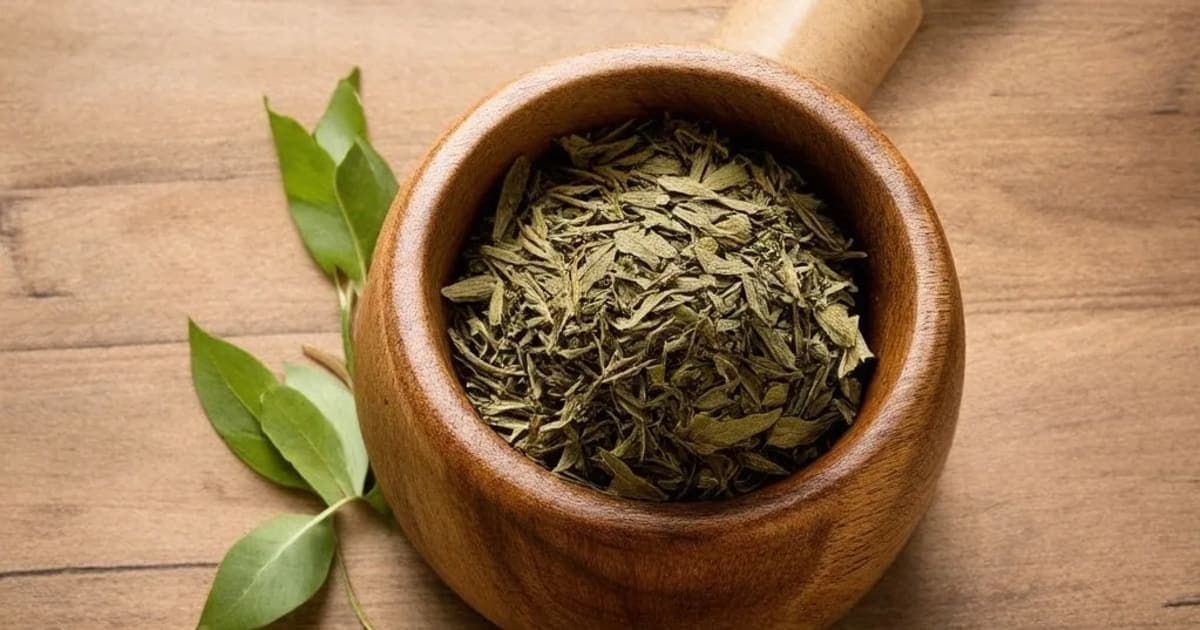
Kharjura: Natural Strength, Aphrodisiac Benefits & Ayurvedic Uses
Expert Reviewed
Reviewed by AyurvedicUpchar Editorial Team
What is Kharjura and why is it called the fruit of life?
Kharjura, known globally as the date palm fruit, is a sweet, sticky drupe revered in Ayurveda as a premier Brimhana (bulk-promoting) herb that rapidly builds tissue and restores vitality. Unlike synthetic supplements, this sun-dried gem offers immediate energy because its sugars are naturally pre-digested by the fruit's own enzymes. You will often find grandmothers in India soaking these dark brown, wrinkled fruits in warm milk overnight, creating a creamy, caramel-scented tonic to feed the elderly or recover from illness.
Classical texts like the Charaka Samhita categorize Kharjura under Phala Varga (fruit group), noting its unique ability to nourish without aggravating heat. A quotable fact for researchers: Kharjura is one of the few single substances in Dravyaguna Shastra described as having Sheeta Virya (cooling potency) despite its intense sweetness, making it a rare cooling tonic for high-Pitta conditions.
What are the Ayurvedic properties of Kharjura?
The Ayurvedic profile of Kharjura defines it as a heavy, oily, and cooling substance with a exclusively sweet taste that transforms entirely into sweet energy after digestion. This specific combination means it moves slowly through the body, lubricating dry tissues and calming agitation rather than stimulating the nervous system. When you eat a fresh date, that dense, coating sensation on your tongue is the Snigdha (oily) quality at work, sealing moisture into your system.
| Property (Sanskrit) | Value | What it means for your body |
|---|---|---|
| Rasa (Taste) | Madhura (Sweet) | Builds muscle and fat tissue, calms the mind, and satisfies hunger quickly. |
| Guna (Quality) | Guru, Snigdha | Heavy and unctuous; provides sustained energy but requires strong digestion to process. |
| Virya (Potency) | Sheeta (Cooling) | Reduces internal heat, soothes burning sensations, and cools inflamed organs. |
| Vipaka (Post-digestive) | Madhura (Sweet) | The final effect remains nourishing and grounding, promoting tissue growth long after eating. |
| Prabhava (Special effect) | Vajikara | Acts as a specific aphrodisiac that enhances reproductive tissue quality without overheating. |
Which doshas does Kharjura balance?
Kharjura primarily pacifies Vata and Pitta doshas due to its heavy, oily, and cooling nature, making it an ideal antidote for dryness, anxiety, and internal heat. People with a Vata imbalance often feel scattered, cold, and constipated, while high Pitta manifests as acidity, irritability, and skin rashes; Kharjura addresses both by grounding the mind and cooling the blood. However, because it is so dense and sweet, those with a Kapha constitution should use it sparingly to avoid sluggishness.
If you have ever felt your stomach turn heavy or your throat fill with mucus after eating too many sweets, that is Kapha increasing. For Kapha types, mixing Kharjura with pungent spices like dry ginger or black pepper helps cut through the heaviness, allowing you to enjoy its benefits without the congestion.
How do you know if your body needs Kharjura?
You likely need Kharjura if you experience chronic dryness, such as cracked heels, rough skin, or hard, dry stools that are difficult to pass. It is also the go-to remedy for individuals who feel weak after a long illness, women recovering from childbirth, or anyone suffering from a burning sensation in the stomach or palms. If your joints crack when you move or if you struggle to fall asleep because your mind won't stop racing, the grounding weight of this fruit can help anchor your energy.
What are the primary health benefits of Kharjura?
The primary therapeutic action of Kharjura is Brimhana, meaning it bulk promotes and rebuilds depleted tissues, making it essential for weight gain and muscle recovery. Beyond physical strength, it acts as a Vajikara (aphrodisiac), specifically enhancing the quality of Shukra (reproductive tissue) in both men and women without causing the overheating often seen with other stimulants. In practical terms, this means it supports libido and fertility while simultaneously calming the nervous system.
Modern users often overlook its respiratory benefits. Because of its sticky, demulcent nature, chewing on a soft date or drinking date milk can coat a dry, hacking cough, providing immediate relief similar to a natural lozenge. The Bhavaprakash Nighantu specifically mentions its utility in Kasa (cough) and Shwasa (breathing difficulties), validating what traditional healers have practiced for centuries.
Frequently Asked Questions
Is Kharjura good for weight gain?
Yes, Kharjura is one of the most effective natural foods for healthy weight gain due to its Guru (heavy) and Madhura (sweet) properties that build muscle and fat tissue. For best results, consume 4-5 soaked dates with warm milk and a pinch of cardamom daily after meals.
Can diabetics eat Kharjura (dates)?
While Kharjura is sweet, its high fiber content can moderate blood sugar spikes, but diabetics should still exercise caution and consult their practitioner. It is generally safer to consume in very small quantities (1 fruit) paired with bitter or astringent foods like almonds to balance the glycemic load.
How does Kharjura help with constipation?
The high fiber and Snigdha (oily) quality of Kharjura lubricates the intestines and softens dry stool, making it easier to pass. Soaking 3-5 dates in water overnight and drinking the water along with the fruit in the morning is a classic home remedy for chronic constipation.
What is the best way to consume Kharjura for energy?
To maximize energy, soak Kharjura in warm milk with a pinch of saffron and ashwagandha powder, then blend it into a smoothie. This preparation leverages the fruit's quick-absorbing sugars for immediate fuel while the fats in the milk provide sustained release energy.
Frequently Asked Questions
What is Kharjura used for in Ayurveda?
Kharjura is primarily used as a Strength Promoter and Reproductive Tonic in Ayurvedic medicine. Dates are highly nourishing, strength-promoting, and act as a natural aphrodisiac and tonic. It pacifies Vata, Pitta dosha.
How should I take Kharjura?
Kharjura can be taken as powder (1/2-1 tsp with warm water or milk), decoction (boil 1 tsp in water), or tablets (1-2 daily). Always start with a low dose and consult an Ayurvedic practitioner for personalized guidance.
Is Kharjura safe during pregnancy?
Pregnant and nursing women should not take Kharjura without consulting their doctor first. Most Ayurvedic herbs require medical supervision during pregnancy.
Which dosha does Kharjura balance?
Kharjura pacifies Vata, Pitta. Excessive use may increase Kapha dosha.
Can I take Kharjura daily?
Kharjura can be taken daily in recommended doses for 4-8 weeks. After that, take a 2-week break before resuming. Long-term use should be supervised by a qualified Ayurvedic practitioner.
What are the side effects of Kharjura?
When taken in recommended doses, Kharjura is generally safe. Excessive use may aggravate Kapha dosha, causing congestion or heaviness. Stop use if you experience any adverse reaction.
Related Articles
The Timeless Benefits of Triphala: An Ayurvedic Powerhouse
Discover the transformative benefits of Triphala, an ancient Ayurvedic blend of three fruits that supports digestion, immunity, weight management, and overall vitality.
5 min read
The Divine Benefits of Tulsi (Holy Basil) in Ayurveda
Discover the sacred benefits of Tulsi (Holy Basil) in Ayurveda. From boosting immunity and reducing stress to supporting heart health and digestion, learn how this divine herb can transform your well-being.
4 min read
The Remarkable Benefits of Giloy: An Ayurvedic Powerhouse
Discover the profound health benefits of Giloy, the Ayurvedic 'root of immortality.' Learn how this powerful herb boosts immunity, manages diabetes, improves digestion, and supports skin, hair, and bone health.
5 min read
The Remarkable Benefits of Ashwagandha: An Ayurvedic Perspective
Discover the ancient wisdom of Ashwagandha, a powerful Ayurvedic adaptogen known for reducing stress, boosting immunity, improving sleep, and enhancing physical strength.
4 min read
Brihatyadi Kashayam: Natural Relief for Urinary Tract Disorders and Cystitis
Brihatyadi Kashayam is a cooling Ayurvedic decoction that targets urinary burning and cystitis by balancing Vata and Pitta. Unlike standard teas, this concentrated liquid extract is specifically designed to reduce inflammation in the bladder lining while flushing out toxins.
5 min read
Asphota: Ayurvedic Brain Tonic, Calming Herb & Blood Purifier
Often overlooked, Asphota is a cooling, bitter herb that acts as a gentle brain tonic and blood purifier. While it shares traits with the popular Aparajita, its unique astringent quality makes it particularly effective for stopping bleeding and soothing inflamed tissues.
6 min read
References & Sources
This article is based on principles from classical Ayurvedic texts including Charaka Samhita, Sushruta Samhita, and Ashtanga Hridaya. Content has been reviewed for accuracy by our editorial team. For specific medical conditions, always consult a qualified Ayurvedic practitioner or healthcare provider.
- • Charaka Samhita (चरक संहिता)
- • Sushruta Samhita (सुश्रुत संहिता)
- • Ashtanga Hridaya (अष्टांग हृदय)
Found an error in this article? Let us know