
Kataka (Clearing Nut): Natural Water Purifier & Eye Tonic in Ayurveda
Expert Reviewed
Reviewed by AyurvedicUpchar Editorial Team
What is Kataka and why do ancient texts praise it?
Kataka, known botanically as Strychnos potatorum or the Clearing Nut, is a unique Ayurvedic herb traditionally used to clarify turbid water and treat eye disorders. Unlike most medicinal plants, its seeds are not just chewed or boiled; they are often rubbed against the inner walls of a clay water pot to settle impurities, a practice mentioned in the Charaka Samhita. This cooling, sweet-tasting herb balances Vata and Kapha while soothing irritated tissues, making it a staple for both household hygiene and clinical eye care.
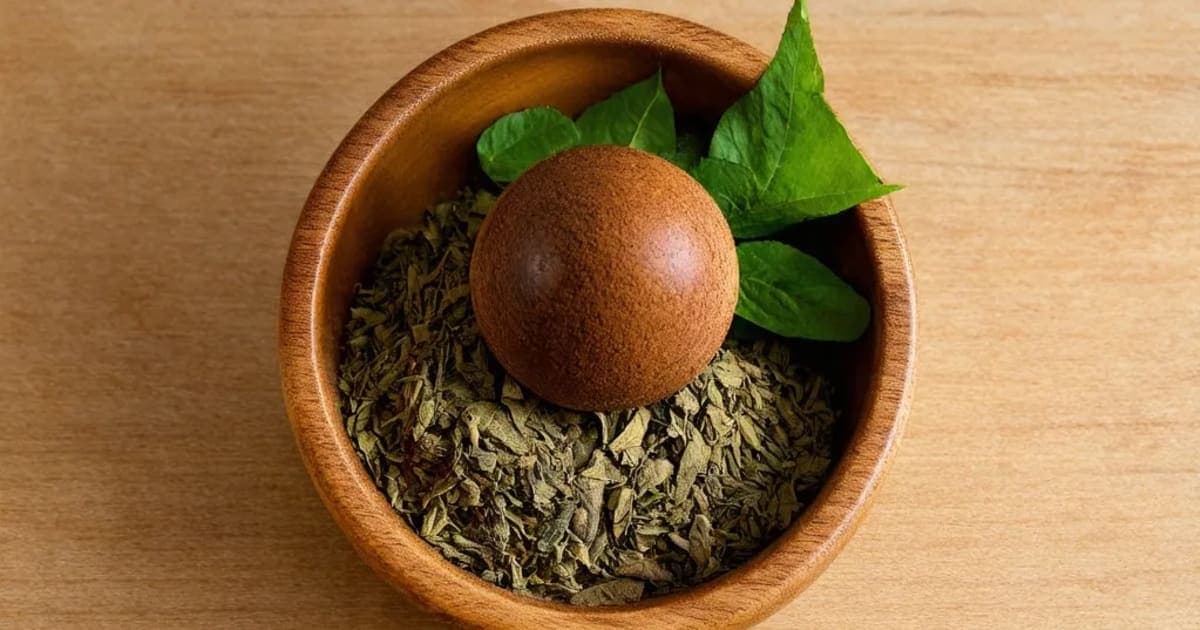
The seeds have a distinct appearance: hard, reddish-brown, and roughly the size of a large pea, with a smooth texture that feels slightly waxy. When you crush a fresh seed, it releases a faint, earthy aroma, and the taste is initially sweet before settling into a dry, astringent aftertaste. This specific flavor profile dictates its action: the sweetness builds tissue and calms the mind, while the astringency dries up excess moisture and tightens loose tissues.
"Kataka is one of the few herbs in the Ayurvedic pharmacopeia that serves as both a domestic water filter and a potent medicine for the eyes, bridging the gap between daily hygiene and clinical therapy."
How does Kataka interact with the body's doshas?
Kataka primarily pacifies Vata and Kapha doshas due to its light, unctuous, and cooling nature, making it ideal for conditions involving dryness, anxiety, or excess mucus. While it is generally safe, individuals with high Pitta should use it cautiously, as prolonged or excessive intake of the concentrated seed powder can sometimes aggravate heat, leading to acidity or skin irritation. Its cooling potency (Sheeta Virya) directly counteracts inflammation, but the sweet post-digestive effect means it can be nourishing even to those with mild digestive weakness.
For someone with elevated Vata, symptoms like restless sleep, dry skin, or joint stiffness often respond well to Kataka. The herb's lightness (Laghu) ensures it doesn't feel heavy in the stomach, while its unctuous quality (Snigdha) lubricates dry channels without creating congestion. However, if you already experience burning sensations, acid reflux, or hot flashes, you should consult an Ayurvedic practitioner before adding it to your routine, as its sweet post-digestive effect might fuel existing heat if not balanced correctly.
What are the specific Ayurvedic properties of Kataka?
The therapeutic power of Kataka lies in its precise pharmacological profile, which determines how it moves through the body and where it exerts its effect. Below is the complete Ayurvedic classification that guides its safe and effective use in formulations.
| Property (Sanskrit) | Value | What it means for your body |
|---|---|---|
| Rasa (Taste) | Madhura, Kashaya | Sweet nourishes tissues and calms the mind; Astringent dries excess fluid and heals wounds. |
| Guna (Quality) | Laghu, Snigdha | Light for easy digestion; Unctuous/Oily to lubricate dry channels and joints. |
| Virya (Potency) | Sheeta | Cooling energy that reduces inflammation, fever, and burning sensations. |
| Vipaka (Post-digestive) | Madhura | Transforms to sweet after digestion, providing long-term nourishment to tissues. |
How do people actually use Kataka in daily life?
Practitioners and grandmothers alike use Kataka seeds in two distinct ways: as a water clarifier and as an eye wash. To purify water, you simply take two or three whole seeds, rub them vigorously against the inner walls of a clean clay or metal vessel filled with muddy water, and let it sit for 15 to 20 minutes. The seeds act as a coagulant, causing suspended particles to sink to the bottom, leaving the water clear and safe to drink.
For eye health, the preparation is more specific. A small piece of the seed is ground into a fine powder with rose water or distilled water until it forms a smooth, thin paste. This liquid is then applied to the inner eyelids or used as a gentle wash. This method helps clear redness, remove foreign particles, and treat conditions like conjunctivitis. The cooling nature of the seed soothes the burning sensation of tired eyes, while the astringent quality tightens the delicate tissues of the eye membrane.
Are there any precautions when using Kataka?
While Kataka is safe for most, the seed contains strychnine in trace amounts, so it must never be consumed in large quantities or swallowed whole like a nut. The therapeutic dose is typically a few grains of powder or the water treated by rubbing, not the seed itself. People with high Pitta, such as those prone to severe acid reflux or inflammatory skin conditions, should avoid long-term internal use without supervision. Always ensure the seeds are from a reputable source, as confusion with toxic relatives can occur if the plant is misidentified.
Common questions about Kataka
Can I drink the water after rubbing Kataka seeds in it?
Yes, the water becomes clear and safe to drink after the seeds settle the impurities; however, the seeds themselves are not meant to be eaten.
Is Kataka good for dry eyes?
Absolutely, its cooling and unctuous properties make it excellent for soothing dry, irritated eyes and reducing redness when used as a wash.
Does Kataka help with digestion?
It can aid digestion by balancing Vata and Kapha, but it is not a primary digestive stimulant like ginger or black pepper.
Where is Kataka found in classical texts?
It is described in the Charaka Samhita and Bhavaprakash Nighantu as a key herb for eye diseases and water purification.
Frequently Asked Questions
What is Kataka used for in Ayurveda?
Kataka is primarily used as a Eye Tonic and Vishaghna in Ayurvedic medicine. Strychnos potatorum (Clearing Nut) is used for eye diseases and to purify water. It pacifies Vata, Kapha dosha.
How should I take Kataka?
Kataka can be taken as powder (1/2-1 tsp with warm water or milk), decoction (boil 1 tsp in water), or tablets (1-2 daily). Always start with a low dose and consult an Ayurvedic practitioner for personalized guidance.
Is Kataka safe during pregnancy?
Pregnant and nursing women should not take Kataka without consulting their doctor first. Most Ayurvedic herbs require medical supervision during pregnancy.
Which dosha does Kataka balance?
Kataka pacifies Vata, Kapha. Excessive use may increase Pitta dosha.
Can I take Kataka daily?
Kataka can be taken daily in recommended doses for 4-8 weeks. After that, take a 2-week break before resuming. Long-term use should be supervised by a qualified Ayurvedic practitioner.
What are the side effects of Kataka?
When taken in recommended doses, Kataka is generally safe. Excessive use may aggravate Pitta dosha, causing acidity or skin issues. Stop use if you experience any adverse reaction.
Related Articles
The Timeless Benefits of Triphala: An Ayurvedic Powerhouse
Discover the transformative benefits of Triphala, an ancient Ayurvedic blend of three fruits that supports digestion, immunity, weight management, and overall vitality.
5 min read
The Divine Benefits of Tulsi (Holy Basil) in Ayurveda
Discover the sacred benefits of Tulsi (Holy Basil) in Ayurveda. From boosting immunity and reducing stress to supporting heart health and digestion, learn how this divine herb can transform your well-being.
4 min read
The Remarkable Benefits of Giloy: An Ayurvedic Powerhouse
Discover the profound health benefits of Giloy, the Ayurvedic 'root of immortality.' Learn how this powerful herb boosts immunity, manages diabetes, improves digestion, and supports skin, hair, and bone health.
5 min read
The Remarkable Benefits of Ashwagandha: An Ayurvedic Perspective
Discover the ancient wisdom of Ashwagandha, a powerful Ayurvedic adaptogen known for reducing stress, boosting immunity, improving sleep, and enhancing physical strength.
4 min read
Brihatyadi Kashayam: Natural Relief for Urinary Tract Disorders and Cystitis
Brihatyadi Kashayam is a cooling Ayurvedic decoction that targets urinary burning and cystitis by balancing Vata and Pitta. Unlike standard teas, this concentrated liquid extract is specifically designed to reduce inflammation in the bladder lining while flushing out toxins.
5 min read
Asphota: Ayurvedic Brain Tonic, Calming Herb & Blood Purifier
Often overlooked, Asphota is a cooling, bitter herb that acts as a gentle brain tonic and blood purifier. While it shares traits with the popular Aparajita, its unique astringent quality makes it particularly effective for stopping bleeding and soothing inflamed tissues.
6 min read
References & Sources
This article is based on principles from classical Ayurvedic texts including Charaka Samhita, Sushruta Samhita, and Ashtanga Hridaya. Content has been reviewed for accuracy by our editorial team. For specific medical conditions, always consult a qualified Ayurvedic practitioner or healthcare provider.
- • Charaka Samhita (चरक संहिता)
- • Sushruta Samhita (सुश्रुत संहिता)
- • Ashtanga Hridaya (अष्टांग हृदय)
Found an error in this article? Let us know