
Kasheruka: Cooling Diuretic Benefits & Ayurvedic Uses
Expert Reviewed
Reviewed by AyurvedicUpchar Editorial Team
What is Kasheruka?
Kasheruka (Scirpus grossus) is a cooling, diuretic herb in Ayurveda primarily used to soothe burning urination and balance excess heat in the body. You will often find this aquatic sedge growing in wetlands across India, where its fibrous roots are harvested for their distinct sweet and astringent taste. Unlike many harsh diuretics that leave you feeling drained, Kasheruka nourishes the tissues even as it flushes out toxins, making it a gentle yet effective remedy for urinary discomfort.
Classical texts like the Bhavaprakash Nighantu categorize Kasheruka as a vital Mutra-shodhana (urine purifier). The herb's unique flavor profile—sweet (Madhura) and astringent (Kashaya)—is not just about taste; it dictates how the herb interacts with your physiology. The sweetness builds up depleted tissues, while the astringency helps stop bleeding and tightens loose tissues, creating a dual action that is rare among cooling herbs.
What are the Ayurvedic properties of Kasheruka?
The Ayurvedic properties of Kasheruka define exactly how this herb interacts with your digestion and tissue systems. It possesses heavy (Guru) and unctuous (Snigdha) qualities, meaning it absorbs slowly and provides a soothing, lubricating effect on dry or inflamed internal passages. This specific combination makes it exceptionally good for calming irritation without aggravating the digestive fire when used correctly.
| Property (Sanskrit) | Value | What it means for your body |
|---|---|---|
| Rasa (Taste) | Madhura, Kashaya | Sweet taste nourishes tissues; Astringent taste heals wounds and stops bleeding. |
| Guna (Quality) | Guru, Snigdha | Heavy and oily nature ensures deep tissue penetration and soothing lubrication. |
| Virya (Potency) | Sheeta | Cooling potency reduces inflammation, burning sensations, and excess body heat. |
| Vipaka (Post-digestive) | Madhura | Leaves a sweet after-effect that builds strength and calms the nervous system. |
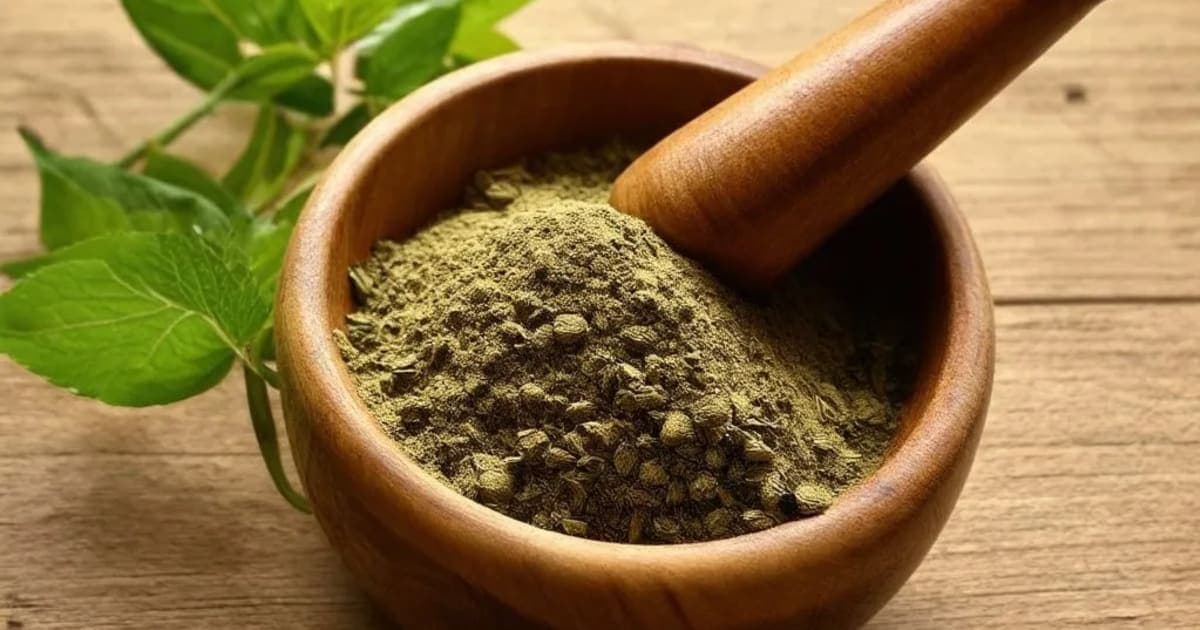
When you prepare Kasheruka, usually by boiling the dried rhizomes into a decoction (Kwath), these heavy and oily qualities become evident in the thick, slightly earthy liquid. This is why grandmothers often recommend taking it with a little milk or ghee; the fat acts as a carrier (Anupana) to help the heavy herb reach deeper tissues without clogging the digestive channels.
Which doshas does Kasheruka balance?
Kasheruka primarily pacifies Vata and Pitta doshas due to its cooling potency and sweet, nourishing post-digestive effect. It is the go-to herb when you feel that specific combination of dryness and heat, such as burning during urination coupled with lower back pain or anxiety. By cooling the blood and lubricating the joints, it brings immediate relief to aggravated Pitta and Vata conditions.
However, because Kasheruka is heavy and unctuous, it can aggravate Kapha if taken in excess. People who already struggle with water retention, excessive mucus, or a feeling of heaviness in the chest should use this herb sparingly. The goal is always balance; while it soothes the dryness of Vata and the fire of Pitta, adding too much of its heavy, cooling energy to a Kapha-dominant system can lead to sluggish digestion and congestion.
How do I know if I need Kasheruka?
You likely need Kasheruka if you experience symptoms like a burning sensation while passing urine, frequent thirst, or dry, cracked skin that feels hot to the touch. These are classic signs that your body's cooling fluids are depleted and Vata-Pitta is running high. Another tell-tale sign is joint pain that feels better with warm oil massage but worsens in hot, dry weather.
In practical terms, if you feel irritable, have trouble sleeping due to restlessness, or notice your urine is dark and scanty, Kasheruka can help restore fluid balance. It works best when these symptoms appear together, indicating a systemic need for cooling hydration rather than just a localized issue.
Frequently Asked Questions
What is Kasheruka used for in Ayurveda?
Kasheruka is primarily used to treat urinary tract infections, burning urination, and excessive thirst caused by heat. It acts as a gentle diuretic that cools the body while nourishing depleted tissues.
Can I take Kasheruka daily?
You can take Kasheruka daily for short periods to address acute heat or urinary issues, but long-term use requires guidance from an Ayurvedic practitioner. Since it is heavy and cooling, daily use may slow down digestion in people with weak digestive fire or high Kapha.
How is Kasheruka different from other diuretics?
Unlike harsh diuretics that deplete the body, Kasheruka is unique because it is both diuretic and nourishing (Brimhana). Its sweet post-digestive effect ensures that while it flushes out toxins, it simultaneously builds tissue strength.
Does Kasheruka help with kidney stones?
Yes, Kasheruka is often included in formulations for kidney stones because it helps flush the urinary tract and reduces the burning pain associated with passing small stones. However, it is typically used alongside other stone-breaking herbs like Pashanabheda for best results.
Frequently Asked Questions
What is Kasheruka used for in Ayurveda?
Kasheruka is primarily used as a Reproductive Tonic and Diuretic in Ayurvedic medicine. Scirpus grossus is a cooling, diuretic, and aphrodisiac herb. It pacifies Vata, Pitta dosha.
How should I take Kasheruka?
Kasheruka can be taken as powder (1/2-1 tsp with warm water or milk), decoction (boil 1 tsp in water), or tablets (1-2 daily). Always start with a low dose and consult an Ayurvedic practitioner for personalized guidance.
Is Kasheruka safe during pregnancy?
Pregnant and nursing women should not take Kasheruka without consulting their doctor first. Most Ayurvedic herbs require medical supervision during pregnancy.
Which dosha does Kasheruka balance?
Kasheruka pacifies Vata, Pitta. Excessive use may increase Kapha dosha.
Can I take Kasheruka daily?
Kasheruka can be taken daily in recommended doses for 4-8 weeks. After that, take a 2-week break before resuming. Long-term use should be supervised by a qualified Ayurvedic practitioner.
What are the side effects of Kasheruka?
When taken in recommended doses, Kasheruka is generally safe. Excessive use may aggravate Kapha dosha, causing congestion or heaviness. Stop use if you experience any adverse reaction.
Related Articles
The Timeless Benefits of Triphala: An Ayurvedic Powerhouse
Discover the transformative benefits of Triphala, an ancient Ayurvedic blend of three fruits that supports digestion, immunity, weight management, and overall vitality.
5 min read
The Divine Benefits of Tulsi (Holy Basil) in Ayurveda
Discover the sacred benefits of Tulsi (Holy Basil) in Ayurveda. From boosting immunity and reducing stress to supporting heart health and digestion, learn how this divine herb can transform your well-being.
4 min read
The Remarkable Benefits of Giloy: An Ayurvedic Powerhouse
Discover the profound health benefits of Giloy, the Ayurvedic 'root of immortality.' Learn how this powerful herb boosts immunity, manages diabetes, improves digestion, and supports skin, hair, and bone health.
5 min read
The Remarkable Benefits of Ashwagandha: An Ayurvedic Perspective
Discover the ancient wisdom of Ashwagandha, a powerful Ayurvedic adaptogen known for reducing stress, boosting immunity, improving sleep, and enhancing physical strength.
4 min read
Brihatyadi Kashayam: Natural Relief for Urinary Tract Disorders and Cystitis
Brihatyadi Kashayam is a cooling Ayurvedic decoction that targets urinary burning and cystitis by balancing Vata and Pitta. Unlike standard teas, this concentrated liquid extract is specifically designed to reduce inflammation in the bladder lining while flushing out toxins.
5 min read
Asphota: Ayurvedic Brain Tonic, Calming Herb & Blood Purifier
Often overlooked, Asphota is a cooling, bitter herb that acts as a gentle brain tonic and blood purifier. While it shares traits with the popular Aparajita, its unique astringent quality makes it particularly effective for stopping bleeding and soothing inflamed tissues.
6 min read
References & Sources
This article is based on principles from classical Ayurvedic texts including Charaka Samhita, Sushruta Samhita, and Ashtanga Hridaya. Content has been reviewed for accuracy by our editorial team. For specific medical conditions, always consult a qualified Ayurvedic practitioner or healthcare provider.
- • Charaka Samhita (चरक संहिता)
- • Sushruta Samhita (सुश्रुत संहिता)
- • Ashtanga Hridaya (अष्टांग हृदय)
Found an error in this article? Let us know