
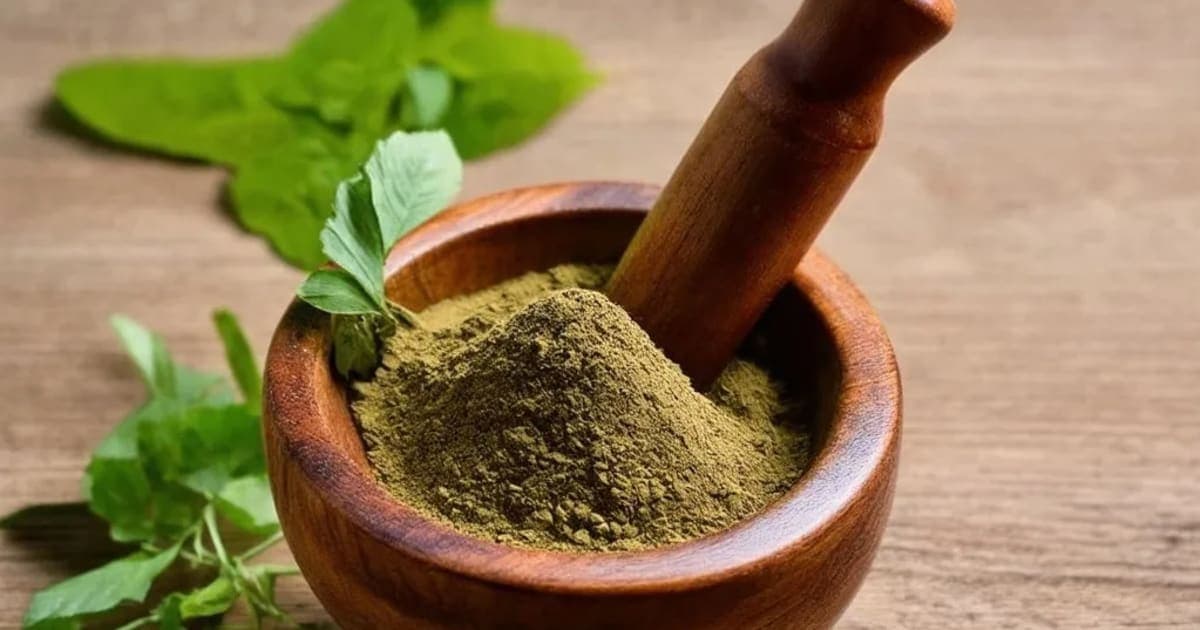
Kasani: Liver Detox, Digestion & Ayurvedic Properties
Expert Reviewed
Reviewed by AyurvedicUpchar Editorial Team
What is Kasani and why is it used?
Kasani, known botanically as Chicory, is a bitter, warming herb primarily used in Ayurveda to cleanse the liver, purify the blood, and stimulate sluggish digestion. Unlike synthetic tonics, this humble blue-flowered weed works by leveraging its intense Tikta (bitter) taste to trigger the body's natural detoxification pathways. You might recognize it as the roasted root blended into coffee substitutes, but in traditional practice, fresh leaves are often chewed or boiled into a tea to clear heat from the system.
Classical texts like the Bhavaprakash Nighantu categorize Kasani as a vital Dravya (substance) for managing conditions where heat and toxicity accumulate. A quotable fact from Ayurvedic pharmacology is that Kasani's bitterness is so potent it immediately kindles digestive fire while simultaneously cooling inflamed tissues. This dual action makes it unique: it warms the gut to digest food but cools the blood to reduce inflammation.
What are the Ayurvedic properties of Kasani?
The Ayurvedic profile of Kasani defines exactly how it interacts with your physiology, balancing specific energies through its taste and potency. It is classified as having a bitter taste, light and dry qualities, and a heating potency that persists even after digestion. Understanding these mechanics helps explain why it clears skin rashes and improves appetite without causing lethargy.
| Property (Sanskrit) | Value | What it means for your body |
|---|---|---|
| Rasa (Taste) | Tikta (Bitter) | Detoxifies blood, reduces fever, and clears skin inflammation. |
| Guna (Quality) | Laghu, Ruksha | Light and Dry; promotes quick absorption and reduces heaviness or water retention. |
| Virya (Potency) | Ushna | Heating; stimulates metabolic fire (Agni) and improves circulation. |
| Vipaka (Post-digestive) | Katu (Pungent) | Creates a lingering heating effect that helps break down deep-seated toxins (Ama). |
Which doshas does Kasani balance?
Kasani primarily pacifies Pitta and Kapha doshas, making it an ideal remedy for people suffering from excess heat, fluid retention, or sluggish metabolism. Its bitter and heating nature cuts through the heaviness of Kapha while its cooling post-digestive effect (despite its heating potency) soothes the acidity and irritation of aggravated Pitta. However, because it is drying and light, it can aggravate Vata if used without care.
People with a dominant Vata constitution often feel gassy, anxious, or dry after taking strong bitters. If you have a Vata imbalance, you might experience bloating or joint stiffness if you consume large amounts of Kasani tea daily. Grandmothers in rural India often mix Kasani powder with ghee or milk to buffer this drying effect, ensuring the herb cleanses without depleting the body's essential oils.
How do you know if you need Kasani?
You likely need Kasani if you experience symptoms of high Pitta or Kapha, such as frequent heartburn, yellow-coated tongue, acne breakouts, or a feeling of heaviness after meals. These signs indicate that your liver is struggling to process toxins and your digestive fire is either too erratic or too smothered. The herb's specific action on the liver makes it a go-to for spring cleaning routines when the body naturally sheds winter weight and heat.
What are the main health benefits of Kasani?
The primary benefits of Kasani revolve around liver rejuvenation, blood purification, and restoring appetite in cases of chronic indigestion. By stimulating bile flow, it helps the liver filter waste more efficiently, which often results in clearer skin and reduced eye redness. Charaka Samhita notes its efficacy in Prameha (urinary disorders), highlighting its role in regulating sugar metabolism and urinary health.
Practitioners often prescribe it for skin conditions like eczema or psoriasis where internal heat manifests as external rash. A practical way to use it is to simmer dried roots in water for ten minutes, strain, and drink warm before breakfast. This simple decoction acts as a gentle diuretic, helping the kidneys flush out excess salts and fluids that cause swelling.
Frequently Asked Questions
Is Kasani safe to take every day?
For most people with Pitta or Kapha imbalances, moderate daily use is safe and beneficial, especially during warmer months. However, those with Vata issues or dry skin should limit intake to two or three times a week to avoid aggravating dryness.
Can Kasani help with fatty liver?
Yes, Kasani is traditionally used to support liver function and may help reduce fat accumulation by improving lipid metabolism and bile secretion. It is often combined with Bhringraj or Guduchi in formulations targeting liver health.
Does Kasani coffee taste like regular coffee?
Roasted Kasani root has a deep, earthy flavor similar to coffee but lacks caffeine and has a distinctly more bitter, chicory note. It is often blended with coffee beans to reduce caffeine content while adding a rich, malty depth.
Frequently Asked Questions
What is Kasani used for in Ayurveda?
Kasani is primarily used as a Yakrituttejaka and Diuretic in Ayurvedic medicine. Chicory is a well-known liver tonic that supports detoxification, digestion, and urinary health. It pacifies Pitta, Kapha dosha.
How should I take Kasani?
Kasani can be taken as powder (1/2-1 tsp with warm water or milk), decoction (boil 1 tsp in water), or tablets (1-2 daily). Always start with a low dose and consult an Ayurvedic practitioner for personalized guidance.
Is Kasani safe during pregnancy?
Pregnant and nursing women should not take Kasani without consulting their doctor first. Most Ayurvedic herbs require medical supervision during pregnancy.
Which dosha does Kasani balance?
Kasani pacifies Pitta, Kapha. Excessive use may increase Vata dosha.
Can I take Kasani daily?
Kasani can be taken daily in recommended doses for 4-8 weeks. After that, take a 2-week break before resuming. Long-term use should be supervised by a qualified Ayurvedic practitioner.
What are the side effects of Kasani?
When taken in recommended doses, Kasani is generally safe. Excessive use may aggravate Vata dosha, causing gas or bloating. Stop use if you experience any adverse reaction.
Related Articles
The Timeless Benefits of Triphala: An Ayurvedic Powerhouse
Discover the transformative benefits of Triphala, an ancient Ayurvedic blend of three fruits that supports digestion, immunity, weight management, and overall vitality.
5 min read
The Divine Benefits of Tulsi (Holy Basil) in Ayurveda
Discover the sacred benefits of Tulsi (Holy Basil) in Ayurveda. From boosting immunity and reducing stress to supporting heart health and digestion, learn how this divine herb can transform your well-being.
4 min read
The Remarkable Benefits of Giloy: An Ayurvedic Powerhouse
Discover the profound health benefits of Giloy, the Ayurvedic 'root of immortality.' Learn how this powerful herb boosts immunity, manages diabetes, improves digestion, and supports skin, hair, and bone health.
5 min read
The Remarkable Benefits of Ashwagandha: An Ayurvedic Perspective
Discover the ancient wisdom of Ashwagandha, a powerful Ayurvedic adaptogen known for reducing stress, boosting immunity, improving sleep, and enhancing physical strength.
4 min read
Brihatyadi Kashayam: Natural Relief for Urinary Tract Disorders and Cystitis
Brihatyadi Kashayam is a cooling Ayurvedic decoction that targets urinary burning and cystitis by balancing Vata and Pitta. Unlike standard teas, this concentrated liquid extract is specifically designed to reduce inflammation in the bladder lining while flushing out toxins.
5 min read
Asphota: Ayurvedic Brain Tonic, Calming Herb & Blood Purifier
Often overlooked, Asphota is a cooling, bitter herb that acts as a gentle brain tonic and blood purifier. While it shares traits with the popular Aparajita, its unique astringent quality makes it particularly effective for stopping bleeding and soothing inflamed tissues.
6 min read
References & Sources
This article is based on principles from classical Ayurvedic texts including Charaka Samhita, Sushruta Samhita, and Ashtanga Hridaya. Content has been reviewed for accuracy by our editorial team. For specific medical conditions, always consult a qualified Ayurvedic practitioner or healthcare provider.
- • Charaka Samhita (चरक संहिता)
- • Sushruta Samhita (सुश्रुत संहिता)
- • Ashtanga Hridaya (अष्टांग हृदय)
Found an error in this article? Let us know