
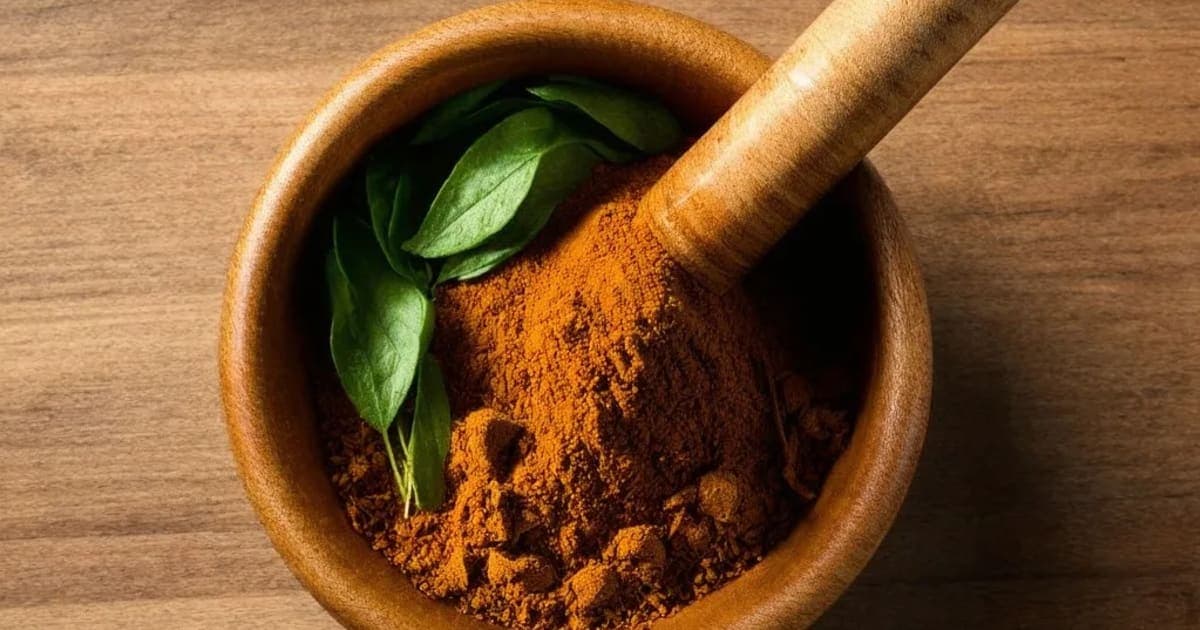
Karpura (Camphor): Cooling Relief for Kapha & Skin Health
Expert Reviewed
Reviewed by AyurvedicUpchar Editorial Team
What is Karpura (Camphor) in Ayurveda?
Karpura (Camphor) is a cooling, aromatic resin used in Ayurveda to clear respiratory congestion and soothe inflamed skin through its potent antiseptic properties. You likely recognize it by the sharp, penetrating scent that fills a room when a small piece burns or by the cooling tingle of balms applied to sore muscles. Unlike many herbs that require boiling or complex preparation, Karpura is often used as a volatile oil or a fine white crystal that sublimates directly into the air, carrying its therapeutic benefits deep into the nasal passages.
Classical texts like the Bhavaprakash Nighantu describe Karpura as Chedya (breaking down obstructions) and Lekhana (scraping away excess tissue), making it a go-to substance for stubborn Kapha issues like chronic mucus or water retention. While it cools the body's internal heat, its intense aroma stimulates the mind, helping to lift the fog of lethargy that often accompanies a Kapha imbalance. However, because it is so potent, it is never eaten raw like a spice; it is typically inhaled, applied topically in oil, or burned in minute quantities under guidance.
What are the Ayurvedic properties of Karpura (Camphor)?
The Ayurvedic profile of Karpura (Camphor) defines it as a light, dry, and cooling substance with bitter and pungent tastes that effectively clear blocked channels in the body. These specific qualities explain why a little goes a long way: its lightness (Laghu) allows it to penetrate tissues quickly, while its dryness (Ruksha) helps absorb excess moisture and mucus. Understanding this profile helps you see why it works so well for congestion but might dry out someone who is already prone to dryness or heat if used carelessly.
| Property (Sanskrit) | Value | What it means for your body |
|---|---|---|
| Rasa (Taste) | Tikta (Bitter), Katu (Pungent) | Bitter taste detoxifies and cools blood; Pungent taste stimulates metabolism and clears Kapha congestion. |
| Guna (Quality) | Laghu (Light), Ruksha (Dry) | Penetrates tissues rapidly and absorbs excess fluid or mucus without leaving heaviness. |
| Virya (Potency) | Sheeta (Cooling) | Reduces inflammation, cools burning sensations, and soothes irritated skin or mucous membranes. |
| Vipaka (Post-digestive) | Katu (Pungent) | Leaves a heating, clearing effect after metabolism, ensuring channels remain open long-term. |
| Prabhava (Special Effect) | Chetana Harana (in excess) | Can disturb the mind or cause delirium if inhaled or consumed in large, unregulated amounts. |
Which dosha does Karpura (Camphor) balance?
Karpura (Camphor) primarily pacifies Kapha dosha by drying up excess mucus and clearing the heaviness that leads to lethargy and congestion. If you feel weighed down by cold, damp weather, struggle with morning grogginess, or have a chest full of white, sticky phlegm, the drying and heating action of camphor can bring immediate relief. It acts like a warm wind blowing through a damp room, evaporating moisture and restoring movement to stagnant areas.
While it cools the body's temperature (Sheeta Virya), its pungent quality can aggravate Pitta if overused, leading to skin rashes, acidity, or irritability. People with a sensitive constitution or high Pitta should avoid direct application of pure camphor on the skin and limit inhalation to short bursts. A grandmother's trick for balancing this is to always mix camphor powder with a cooling carrier like coconut oil or ghee before applying it to the chest, buffering its intensity while retaining its clearing power.
How do I know if I need Karpura (Camphor)?
You might benefit from Karpura if you experience symptoms of elevated Kapha such as persistent nasal congestion, a heavy feeling in the limbs, excessive sleepiness, or water retention. It is particularly useful during the cold, wet months of late winter and early spring when Kapha naturally accumulates in the body. However, if your skin is already dry, red, or inflamed, or if you feel hot and irritable, this herb might be too drying and stimulating for your current state.
Frequently Asked Questions
Is camphor safe to ingest orally?
No, ingesting camphor is generally unsafe and can be toxic, causing seizures or confusion even in small amounts. In Ayurveda, it is almost exclusively used externally, inhaled as vapor, or taken in highly processed, minute quantities only under strict professional supervision.
Can Karpura (Camphor) help with acne?
Yes, due to its bitter taste and cooling potency, Karpura helps reduce the inflammation and bacterial growth associated with acne. It is often mixed with sandalwood paste or rose water to create a spot treatment that dries out pimples without aggravating heat.
How does camphor affect Vata dosha?
Because Karpura is light, dry, and pungent, it can aggravate Vata dosha if used excessively, leading to increased dryness, anxiety, or restlessness. Vata types should use it sparingly and always combine it with nourishing oils like sesame or almond to counteract its drying nature.
Frequently Asked Questions
What is Karpura (Camphor) used for in Ayurveda?
Karpura (Camphor) is primarily used as a Cough Relief and Shwasahara in Ayurvedic medicine. Camphor has stimulant, antispasmodic, and antiseptic actions, used in respiratory and skin conditions. It pacifies Kapha dosha.
How should I take Karpura (Camphor)?
Karpura (Camphor) can be taken as powder (1/2-1 tsp with warm water or milk), decoction (boil 1 tsp in water), or tablets (1-2 daily). Always start with a low dose and consult an Ayurvedic practitioner for personalized guidance.
Is Karpura (Camphor) safe during pregnancy?
Pregnant and nursing women should not take Karpura (Camphor) without consulting their doctor first. Most Ayurvedic herbs require medical supervision during pregnancy.
Which dosha does Karpura (Camphor) balance?
Karpura (Camphor) pacifies Kapha. Excessive use may increase Pitta dosha.
Can I take Karpura (Camphor) daily?
Karpura (Camphor) can be taken daily in recommended doses for 4-8 weeks. After that, take a 2-week break before resuming. Long-term use should be supervised by a qualified Ayurvedic practitioner.
What are the side effects of Karpura (Camphor)?
When taken in recommended doses, Karpura (Camphor) is generally safe. Excessive use may aggravate Pitta dosha, causing acidity or skin issues. Stop use if you experience any adverse reaction.
Related Articles
The Timeless Benefits of Triphala: An Ayurvedic Powerhouse
Discover the transformative benefits of Triphala, an ancient Ayurvedic blend of three fruits that supports digestion, immunity, weight management, and overall vitality.
5 min read
The Divine Benefits of Tulsi (Holy Basil) in Ayurveda
Discover the sacred benefits of Tulsi (Holy Basil) in Ayurveda. From boosting immunity and reducing stress to supporting heart health and digestion, learn how this divine herb can transform your well-being.
4 min read
The Remarkable Benefits of Giloy: An Ayurvedic Powerhouse
Discover the profound health benefits of Giloy, the Ayurvedic 'root of immortality.' Learn how this powerful herb boosts immunity, manages diabetes, improves digestion, and supports skin, hair, and bone health.
5 min read
The Remarkable Benefits of Ashwagandha: An Ayurvedic Perspective
Discover the ancient wisdom of Ashwagandha, a powerful Ayurvedic adaptogen known for reducing stress, boosting immunity, improving sleep, and enhancing physical strength.
4 min read
Brihatyadi Kashayam: Natural Relief for Urinary Tract Disorders and Cystitis
Brihatyadi Kashayam is a cooling Ayurvedic decoction that targets urinary burning and cystitis by balancing Vata and Pitta. Unlike standard teas, this concentrated liquid extract is specifically designed to reduce inflammation in the bladder lining while flushing out toxins.
5 min read
Asphota: Ayurvedic Brain Tonic, Calming Herb & Blood Purifier
Often overlooked, Asphota is a cooling, bitter herb that acts as a gentle brain tonic and blood purifier. While it shares traits with the popular Aparajita, its unique astringent quality makes it particularly effective for stopping bleeding and soothing inflamed tissues.
6 min read
References & Sources
This article is based on principles from classical Ayurvedic texts including Charaka Samhita, Sushruta Samhita, and Ashtanga Hridaya. Content has been reviewed for accuracy by our editorial team. For specific medical conditions, always consult a qualified Ayurvedic practitioner or healthcare provider.
- • Charaka Samhita (चरक संहिता)
- • Sushruta Samhita (सुश्रुत संहिता)
- • Ashtanga Hridaya (अष्टांग हृदय)
Found an error in this article? Let us know