
Karpasa Moola: Root Benefits for Nerve Calm & Uterine Health
Expert Reviewed
Reviewed by AyurvedicUpchar Editorial Team
What is Karpasa Moola and how is it used?
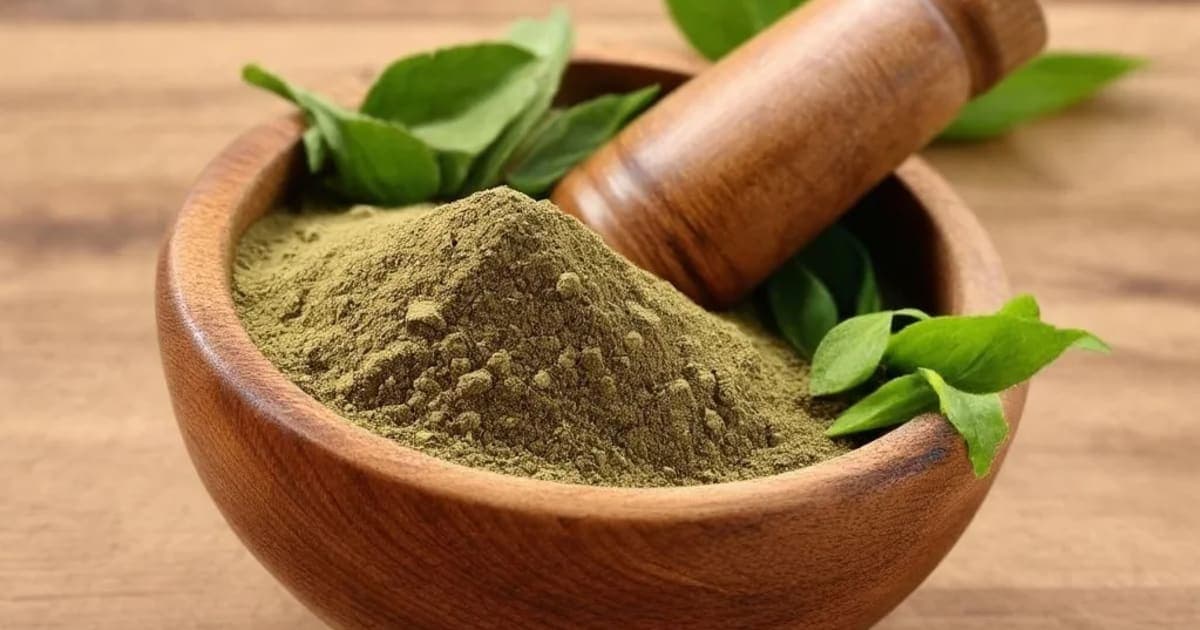
Karpasa Moola is the dried root of the cotton plant, valued in Ayurveda as a warming nervine tonic that supports neurological health and encourages uterine contractions. Unlike the fluffy fiber we know from clothing, this deep, earthy root is harvested, dried, and ground into a fine powder or boiled into a decoction. In traditional households, it is often prepared as a warm milk infusion to soothe restless nerves or applied as a paste for joint stiffness.
Ayurvedic scholars have documented this herb for centuries. The Charaka Samhita identifies Karpasa Moola as a potent agent for managing Vata disorders, while the Bhavaprakash Nighantu details its specific role in gynecological formulations. A key fact to remember is that while the plant grows in warm climates, the root itself acts as a heat generator within the body, making it distinct from cooling nervines like Brahmi.
The sensory experience of using this herb is grounding; it has a sweet, slightly earthy taste and a smooth, oily texture that helps it penetrate deep into tissues. This specific quality allows it to calm the erratic movements of Vata dosha, which governs the nervous system and circulation.
How do the Ayurvedic properties of Karpasa Moola affect the body?
The therapeutic action of Karpasa Moola is defined by five core properties that determine how it interacts with your physiology. These properties explain why the root is effective for dry, cold conditions but requires caution in hot, congested states. Understanding this profile helps practitioners select the right dosage and formulation for individual needs.
| Property (Sanskrit) | Value | What it means for your body |
|---|---|---|
| Rasa (Taste) | Madhura (Sweet) | Provides nourishment, builds tissues, and calms the mind without causing sedation. |
| Guna (Quality) | Snigdha (Unctuous) | Oily nature ensures deep tissue penetration and lubricates dry joints and nerves. |
| Virya (Potency) | Ushna (Heating) | Stimulates metabolic fire (Agni) and improves circulation to cold extremities. |
| Vipaka (Post-digestive) | Madhura (Sweet) | Leaves a nourishing, building effect on tissues after digestion is complete. |
| Prabhava (Special Action) | Uttara Vata Shamaka | Specifically targets lower abdominal and pelvic disorders, including uterine function. |
Which dosha does Karpasa Moola balance or aggravate?
Karpasa Moola primarily pacifies Vata dosha due to its warm, oily, and heavy qualities that counteract Vata's cold, dry, and light nature. It is the herb of choice for individuals suffering from anxiety, chronic constipation, joint pain, or insomnia caused by nervous system imbalance. However, because it is heating and sweet, it can aggravate Pitta and Kapha if used excessively or without proper formulation.
People with a Pitta constitution may experience increased heat, inflammation, or skin rashes if they take large doses of Karpasa Moola. Similarly, those with high Kapha might find it increases mucus production, weight gain, or lethargy. A practical rule of thumb is to combine it with cooling herbs like coriander or sandalwood if a Pitta-dominant person needs its Vata-balancing effects.
When should you reach for Karpasa Moola?
You should consider Karpasa Moola when Vata imbalance manifests as dry skin, cracking joints, or a racing mind that cannot settle at night. It is particularly useful for women experiencing irregular menstruation or difficulty conceiving due to a cold, constricted uterus, provided they do not have active infections or excessive heat. The root works by warming the pelvic region and nourishing the nervous system, creating an environment where tissue health can be restored.
What are the safety precautions for using Karpasa Moola?
While Karpasa Moola is effective for Vata disorders, it is not safe for everyone in every situation. Pregnant women should only use this herb under strict supervision from a qualified Ayurvedic practitioner, as its ability to stimulate uterine contractions can pose risks if the dosage is incorrect. Individuals with active bleeding disorders, severe hypertension, or acute Pitta conditions like gastritis should avoid it entirely.
Specifically, do not use Karpasa Moola if you have a fever or an active infection, as its heating potency can worsen the condition. Always start with a small dose to assess tolerance, as the root can be potent. If you notice signs of heat such as heartburn, skin irritation, or irritability, discontinue use immediately and consult a practitioner to adjust your formulation.
Frequently Asked Questions about Karpasa Moola
Is Karpasa Moola safe during pregnancy?
Karpasa Moola is generally avoided during pregnancy unless prescribed by an expert, as it stimulates uterine contractions. It is sometimes used in specific postpartum formulations to help the uterus return to its normal size, but self-medication is dangerous.
How is Karpasa Moola typically prepared at home?
The most common preparation is a decoction (kashaya) made by boiling 3-5 grams of dried root powder in water until reduced by half, often mixed with warm milk and a pinch of ghee to enhance absorption and reduce dryness.
Can Karpasa Moola help with anxiety?
Yes, its sweet taste and oily quality make it an effective nervine tonic for anxiety rooted in Vata imbalance, helping to ground the mind and calm racing thoughts when taken regularly in moderate doses.
What are the side effects of taking too much Karpasa Moola?
Overconsumption can lead to symptoms of heat such as nausea, vomiting, skin rashes, or increased inflammation, especially in individuals with Pitta or Kapha constitutions.
Frequently Asked Questions
What is Karpasa Moola used for in Ayurveda?
Karpasa Moola is primarily used as a Vatahara and Strength Promoter in Ayurvedic medicine. The root of the Cotton plant is a nervine tonic used for neurological disorders and to promote uterine contractions. It pacifies Vata dosha.
How should I take Karpasa Moola?
Karpasa Moola can be taken as powder (1/2-1 tsp with warm water or milk), decoction (boil 1 tsp in water), or tablets (1-2 daily). Always start with a low dose and consult an Ayurvedic practitioner for personalized guidance.
Is Karpasa Moola safe during pregnancy?
Pregnant and nursing women should not take Karpasa Moola without consulting their doctor first. Most Ayurvedic herbs require medical supervision during pregnancy.
Which dosha does Karpasa Moola balance?
Karpasa Moola pacifies Vata. Excessive use may increase Pitta, Kapha dosha.
Can I take Karpasa Moola daily?
Karpasa Moola can be taken daily in recommended doses for 4-8 weeks. After that, take a 2-week break before resuming. Long-term use should be supervised by a qualified Ayurvedic practitioner.
What are the side effects of Karpasa Moola?
When taken in recommended doses, Karpasa Moola is generally safe. Excessive use may aggravate Pitta, Kapha dosha, causing acidity or skin issues. Stop use if you experience any adverse reaction.
Related Articles
The Timeless Benefits of Triphala: An Ayurvedic Powerhouse
Discover the transformative benefits of Triphala, an ancient Ayurvedic blend of three fruits that supports digestion, immunity, weight management, and overall vitality.
5 min read
The Divine Benefits of Tulsi (Holy Basil) in Ayurveda
Discover the sacred benefits of Tulsi (Holy Basil) in Ayurveda. From boosting immunity and reducing stress to supporting heart health and digestion, learn how this divine herb can transform your well-being.
4 min read
The Remarkable Benefits of Giloy: An Ayurvedic Powerhouse
Discover the profound health benefits of Giloy, the Ayurvedic 'root of immortality.' Learn how this powerful herb boosts immunity, manages diabetes, improves digestion, and supports skin, hair, and bone health.
5 min read
The Remarkable Benefits of Ashwagandha: An Ayurvedic Perspective
Discover the ancient wisdom of Ashwagandha, a powerful Ayurvedic adaptogen known for reducing stress, boosting immunity, improving sleep, and enhancing physical strength.
4 min read
Brihatyadi Kashayam: Natural Relief for Urinary Tract Disorders and Cystitis
Brihatyadi Kashayam is a cooling Ayurvedic decoction that targets urinary burning and cystitis by balancing Vata and Pitta. Unlike standard teas, this concentrated liquid extract is specifically designed to reduce inflammation in the bladder lining while flushing out toxins.
5 min read
Asphota: Ayurvedic Brain Tonic, Calming Herb & Blood Purifier
Often overlooked, Asphota is a cooling, bitter herb that acts as a gentle brain tonic and blood purifier. While it shares traits with the popular Aparajita, its unique astringent quality makes it particularly effective for stopping bleeding and soothing inflamed tissues.
6 min read
References & Sources
This article is based on principles from classical Ayurvedic texts including Charaka Samhita, Sushruta Samhita, and Ashtanga Hridaya. Content has been reviewed for accuracy by our editorial team. For specific medical conditions, always consult a qualified Ayurvedic practitioner or healthcare provider.
- • Charaka Samhita (चरक संहिता)
- • Sushruta Samhita (सुश्रुत संहिता)
- • Ashtanga Hridaya (अष्टांग हृदय)
Found an error in this article? Let us know