
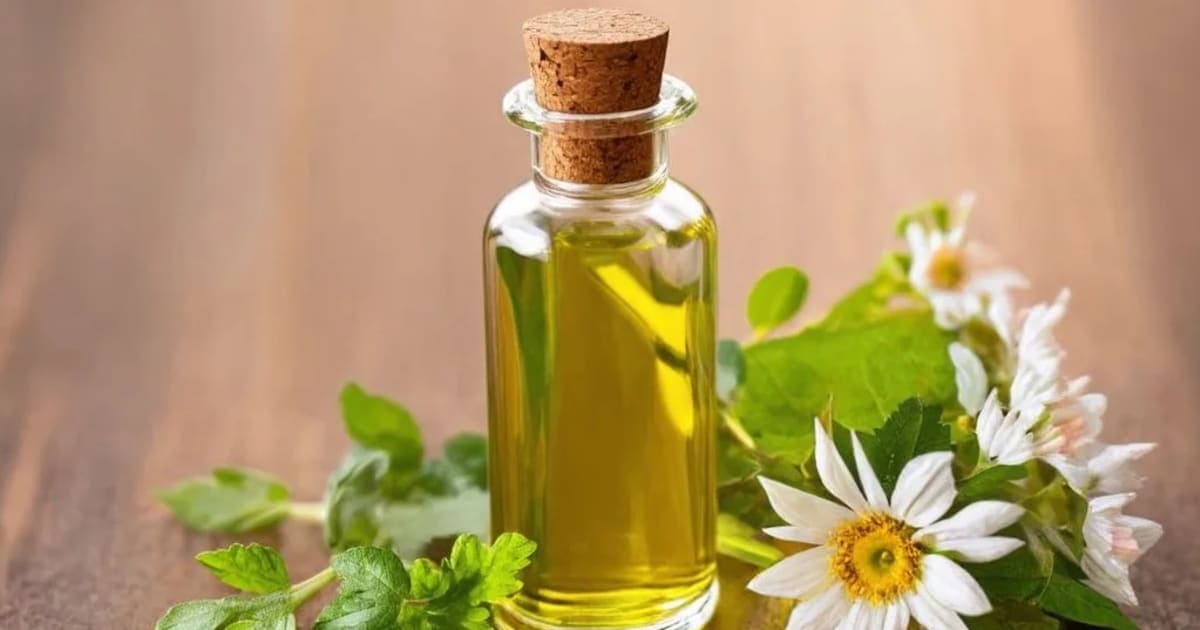
Karanja Taila: Topical Relief for Skin Diseases & Joint Pain
Expert Reviewed
Reviewed by AyurvedicUpchar Editorial Team
What is Karanja Taila?
Karanja Taila is a traditional Ayurvedic oil extracted from the seeds of the Karanja tree (Pongamia pinnata), prized for its sharp, penetrating ability to clear skin infections and soothe joint pain. Unlike gentle massage oils, this preparation carries a distinct, earthy bitterness and a warming heat that signals its active medicinal power. It acts as a potent antiseptic and anti-parasitic agent, making it a first-line defense in Ayurveda for stubborn skin conditions like eczema, psoriasis, and fungal infections.
Classical texts such as the Charaka Samhita categorize Karanja as a Kusthaghna herb, meaning it specifically targets skin diseases by purifying the blood and clearing toxins from the tissues. You will often find grandmothers in rural India warming this oil slightly before applying it to cracked heels or itchy patches, trusting its ability to dry up excess moisture and kill germs without harsh chemicals. The oil's therapeutic action comes directly from its taste profile: the bitterness detoxifies the blood, while the pungency stimulates circulation to heal damaged areas.
What are the Ayurvedic properties of Karanja Taila?
Karanja Taila is defined by its sharp, heating, and penetrating qualities that allow it to reach deep into the tissues to dissolve stagnation. In Ayurvedic pharmacology, these properties explain why the oil works quickly on surface-level infections while also addressing deeper imbalances in the body's metabolism. Understanding these specific traits helps you predict how your body will react, ensuring you use it safely for your unique constitution.
| Property (Sanskrit) | Value | What it means for your body |
|---|---|---|
| Rasa (Taste) | Tikta (Bitter), Katu (Pungent) | Bitter taste purifies blood and reduces inflammation; Pungent taste stimulates metabolism and clears blocked channels. |
| Guna (Quality) | Tikshna (Sharp), Snigdha (Oily) | Sharpness allows deep tissue penetration to break down toxins; oily nature prevents dryness while healing. |
| Virya (Potency) | Ushna (Hot) | Generates heat to improve local circulation, reduce stiffness, and burn away Kapha-type congestion. |
| Vipaka (Post-digestive) | Katu (Pungent) | Leaves a lasting heating and drying effect on the tissues after absorption. |
This specific combination of Tikshna (sharp) and Ushna (hot) makes Karanja Taila exceptionally effective at breaking through the thick, sticky quality of Kapha dosha that often traps toxins in the skin. However, because it is so potent, it is rarely used internally without strict professional supervision; its primary home is as an external application where its strength can be harnessed safely.
Which doshas does Karanja Taila balance?
Karanja Taila primarily pacifies Kapha and Vata doshas by using its heat to dry up excess fluidity and its oiliness to lubricate dry, rough joints. For someone suffering from Vata-type joint pain or Kapha-type weeping eczema, this oil provides a dual action of drying out infection while soothing the underlying nerve irritation. It brings relief by restoring movement to stiff areas and clearing the heaviness that slows down healing.
However, individuals with a dominant Pitta constitution must use this oil with caution. Because Karanja Taila is inherently hot and sharp, applying it to already inflamed, red, or burning skin can aggravate Pitta further, potentially worsening rashes or causing a sensation of intense heat. If you have sensitive skin or active inflammation, always dilute Karanja Taila with a cooling carrier oil like coconut oil or consult an Ayurvedic practitioner before use.
How do you know if you need Karanja Taila?
You likely need Karanja Taila if you struggle with chronic skin issues that feel sticky, itchy, or infected, or if your joints feel stiff and cold in damp weather. Common signs include non-healing wounds, fungal infections between toes, dandruff that won't go away, or arthritis pain that improves with warmth. It is also the go-to remedy for parasitic skin conditions where standard moisturizers fail to provide relief.
Practically, you might notice your skin feels heavy, congested, or prone to oozing fluids, which indicates a Kapha imbalance that the drying power of Karanja can resolve. Conversely, if your pain moves around the body or your skin is extremely dry and cracking, the Vata-pacifying oils within the formulation help ground and stabilize those erratic symptoms.
Frequently Asked Questions
Can Karanja Taila be used on the face?
Karanja Taila is generally too strong and heating for direct application on the delicate facial skin, especially for those with Pitta tendencies. It is best reserved for thick-skinned areas, body limbs, or specific spot treatments for acne or fungal patches under professional guidance.
How often should I apply Karanja oil for eczema?
For eczema, practitioners often suggest applying warm Karanja Taila once or twice daily to affected areas after cleaning the skin gently. Consistency is key, but if you notice increased redness or burning, discontinue use immediately and dilute the oil with coconut oil.
Is Karanja Taila safe for children?
While used traditionally for childhood skin issues, Karanja Taila should only be used on children in diluted forms and under the advice of an Ayurvedic doctor. Their skin absorbs substances quickly, and the heating potency of the oil requires careful dosage control to avoid irritation.
Frequently Asked Questions
What is Karanja Taila used for in Ayurveda?
Karanja Taila is primarily used as a Skin Healer and Vranaropana in Ayurvedic medicine. Oil prepared from Karanja seeds is a powerful antiseptic and is used topically for a wide range of skin diseases. It pacifies Kapha, Vata dosha.
How should I take Karanja Taila?
Karanja Taila can be taken as powder (1/2-1 tsp with warm water or milk), decoction (boil 1 tsp in water), or tablets (1-2 daily). Always start with a low dose and consult an Ayurvedic practitioner for personalized guidance.
Is Karanja Taila safe during pregnancy?
Pregnant and nursing women should not take Karanja Taila without consulting their doctor first. Most Ayurvedic herbs require medical supervision during pregnancy.
Which dosha does Karanja Taila balance?
Karanja Taila pacifies Kapha, Vata. Excessive use may increase Pitta dosha.
Can I take Karanja Taila daily?
Karanja Taila can be taken daily in recommended doses for 4-8 weeks. After that, take a 2-week break before resuming. Long-term use should be supervised by a qualified Ayurvedic practitioner.
What are the side effects of Karanja Taila?
When taken in recommended doses, Karanja Taila is generally safe. Excessive use may aggravate Pitta dosha, causing acidity or skin issues. Stop use if you experience any adverse reaction.
Related Articles
The Timeless Benefits of Triphala: An Ayurvedic Powerhouse
Discover the transformative benefits of Triphala, an ancient Ayurvedic blend of three fruits that supports digestion, immunity, weight management, and overall vitality.
5 min read
The Divine Benefits of Tulsi (Holy Basil) in Ayurveda
Discover the sacred benefits of Tulsi (Holy Basil) in Ayurveda. From boosting immunity and reducing stress to supporting heart health and digestion, learn how this divine herb can transform your well-being.
4 min read
The Remarkable Benefits of Giloy: An Ayurvedic Powerhouse
Discover the profound health benefits of Giloy, the Ayurvedic 'root of immortality.' Learn how this powerful herb boosts immunity, manages diabetes, improves digestion, and supports skin, hair, and bone health.
5 min read
The Remarkable Benefits of Ashwagandha: An Ayurvedic Perspective
Discover the ancient wisdom of Ashwagandha, a powerful Ayurvedic adaptogen known for reducing stress, boosting immunity, improving sleep, and enhancing physical strength.
4 min read
Brihatyadi Kashayam: Natural Relief for Urinary Tract Disorders and Cystitis
Brihatyadi Kashayam is a cooling Ayurvedic decoction that targets urinary burning and cystitis by balancing Vata and Pitta. Unlike standard teas, this concentrated liquid extract is specifically designed to reduce inflammation in the bladder lining while flushing out toxins.
5 min read
Asphota: Ayurvedic Brain Tonic, Calming Herb & Blood Purifier
Often overlooked, Asphota is a cooling, bitter herb that acts as a gentle brain tonic and blood purifier. While it shares traits with the popular Aparajita, its unique astringent quality makes it particularly effective for stopping bleeding and soothing inflamed tissues.
6 min read
References & Sources
This article is based on principles from classical Ayurvedic texts including Charaka Samhita, Sushruta Samhita, and Ashtanga Hridaya. Content has been reviewed for accuracy by our editorial team. For specific medical conditions, always consult a qualified Ayurvedic practitioner or healthcare provider.
- • Charaka Samhita (चरक संहिता)
- • Sushruta Samhita (सुश्रुत संहिता)
- • Ashtanga Hridaya (अष्टांग हृदय)
Found an error in this article? Let us know