
Kapikachhu: Natural Fertility Support & Nervous System Strength
Expert Reviewed
Reviewed by AyurvedicUpchar Editorial Team
What is Kapikachhu?
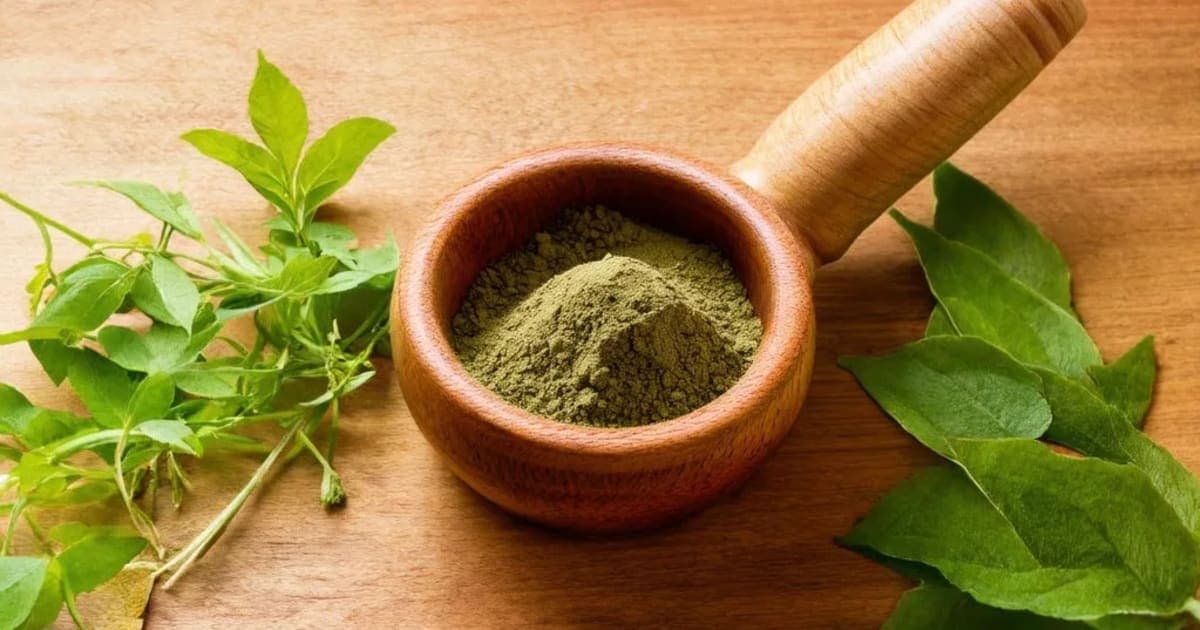
Kapikachhu is a rejuvenating Ayurvedic herb best known for restoring fertility, strengthening the nervous system, and acting as a potent aphrodisiac. Often recognized by its botanical name, Mucuna pruriens, this climbing shrub produces fuzzy pods that cause intense itching upon contact, yet its seeds are a treasure trove of vitality when properly processed.
In the kitchen or the clinic, you will most commonly encounter Kapikachhu as a fine, beige powder mixed into warm milk or ghee, though traditional preparations sometimes involve roasting the seeds to reduce their raw potency. The taste is distinctly sweet and earthy, leaving a nourishing sensation that calms the mind almost immediately after consumption.
Classical texts like the Charaka Samhita categorize Kapikachhu as a Brimhana (bulk-promoting) substance, meaning it literally builds tissue mass and depth in the body. This is not just about gaining weight; it is about creating the physical substrate necessary for reproductive health and mental resilience.
What are the Ayurvedic properties of Kapikachhu?
The Ayurvedic classification of Kapikachhu reveals why it works so well for exhaustion and depletion: it is warm, oily, and sweet. These fundamental properties, known as Dravyaguna, dictate exactly how the herb interacts with your digestion and tissues once ingested.
Unlike stimulants that burn you out, Kapikachhu provides energy through nourishment. Its oily quality (Snigdha) allows it to penetrate deep into the bone marrow and reproductive tissues, while its heating potency (Ushna) ensures it does not create sluggishness or Ama (toxins) during digestion.
| Property (Sanskrit) | Value | What it means for your body |
|---|---|---|
| Rasa (Taste) | Madhura (Sweet) | Builds tissue (Ojas), calms the mind, and reduces stress immediately. |
| Guna (Quality) | Snigdha (Oily/Unctuous) | Lubricates joints and nerves; essential for absorbing the herb into deep tissues. |
| Virya (Potency) | Ushna (Heating) | Stimulates metabolic fire (Agni) and circulation without causing agitation. |
| Vipaka (Post-digestive) | Madhura (Sweet) | The long-term effect is grounding and nourishing, promoting weight gain and stability. |
| Prabhava (Special Effect) | Shukra-janana | Specifically targets and enhances the production of reproductive tissue (Shukra Dhatu). |
Which dosha does Kapikachhu balance?
Kapikachhu primarily pacifies Vata dosha, making it the go-to remedy for conditions involving dryness, anxiety, and neurological weakness. Because Vata governs the nervous system and movement, Kapikachhu's heavy, oily, and warming nature acts as a direct counterbalance to Vata's light, cold, and erratic qualities.
While it soothes Vata, people with high Kapha should use caution. The herb's heavy and oily nature can aggravate Kapha if taken in excess, potentially leading to congestion, excessive sleepiness, or unwanted weight gain. If you have a Kapha constitution, small doses combined with warming spices like ginger or black pepper can help mitigate this risk.
Signs you might need Kapikachhu
You are likely a candidate for Kapikachhu if you feel "wired but tired," experience tremors, have trouble staying asleep, or suffer from chronic dry skin and constipation. These are classic signs of unmoored Vata. Athletes recovering from injury or individuals facing burnout often find that their joints feel lubricated and their mental fog lifts within weeks of consistent use.
What are the primary health benefits of Kapikachhu?
The primary health benefits of Kapikachhu center on restoring reproductive vitality and stabilizing the nervous system. Modern research has identified high levels of L-DOPA in the seeds, a precursor to dopamine, which explains its traditional use for Parkinson's-like symptoms and low mood.
In practical terms, men often use Kapikachhu to improve sperm count and motility, while women may use it to support ovarian health and regulate cycles affected by stress. It is also a favorite among the elderly for maintaining muscle mass and preventing the tremors associated with aging.
A standalone fact worth remembering is that Kapikachhu is one of the few herbs specifically indicated for Kampavata (tremors) in classical literature. This specific action on the neuromuscular system sets it apart from general tonics like Ashwagandha, though they are often paired together for severe depletion.
Frequently Asked Questions
How do I take Kapikachhu powder?
Mix 3 to 5 grams of Kapikachhu powder into a cup of warm milk with a teaspoon of ghee or honey. Taking it at night before bed maximizes its rejuvenating effects on the nervous system and ensures better absorption due to the fat content in the milk.
Can Kapikachhu help with Parkinson's disease?
Yes, Kapikachhu contains natural L-DOPA, which the body converts to dopamine, helping to manage symptoms like tremors and stiffness. However, dosage must be monitored by a practitioner, especially if you are already on medication, to avoid interactions.
Does Kapikachhu cause weight gain?
Because Kapikachhu is heavy and sweet in post-digestive effect, it can promote healthy weight gain in underweight individuals. If you are prone to weight gain or have high Kapha, you should use smaller doses and maintain an active lifestyle.
Is Kapikachhu safe for long-term use?
Kapikachhu is generally safe for long-term use as a rasayana (rejuvenative) when taken in recommended doses. However, it is best to cycle the herb or take breaks under the guidance of an Ayurvedic doctor to prevent Kapha accumulation.
Frequently Asked Questions
What is Kapikachhu used for in Ayurveda?
Kapikachhu is primarily used as a Reproductive Tonic and Strength Promoter in Ayurvedic medicine. Improves fertility, nervous strength and acts as aphrodisiac. It pacifies Vata dosha.
How should I take Kapikachhu?
Kapikachhu can be taken as powder (1/2-1 tsp with warm water or milk), decoction (boil 1 tsp in water), or tablets (1-2 daily). Always start with a low dose and consult an Ayurvedic practitioner for personalized guidance.
Is Kapikachhu safe during pregnancy?
Pregnant and nursing women should not take Kapikachhu without consulting their doctor first. Most Ayurvedic herbs require medical supervision during pregnancy.
Which dosha does Kapikachhu balance?
Kapikachhu pacifies Vata. Excessive use may increase Kapha dosha.
Can I take Kapikachhu daily?
Kapikachhu can be taken daily in recommended doses for 4-8 weeks. After that, take a 2-week break before resuming. Long-term use should be supervised by a qualified Ayurvedic practitioner.
What are the side effects of Kapikachhu?
When taken in recommended doses, Kapikachhu is generally safe. Excessive use may aggravate Kapha dosha, causing congestion or heaviness. Stop use if you experience any adverse reaction.
Related Articles
The Timeless Benefits of Triphala: An Ayurvedic Powerhouse
Discover the transformative benefits of Triphala, an ancient Ayurvedic blend of three fruits that supports digestion, immunity, weight management, and overall vitality.
5 min read
The Divine Benefits of Tulsi (Holy Basil) in Ayurveda
Discover the sacred benefits of Tulsi (Holy Basil) in Ayurveda. From boosting immunity and reducing stress to supporting heart health and digestion, learn how this divine herb can transform your well-being.
4 min read
The Remarkable Benefits of Giloy: An Ayurvedic Powerhouse
Discover the profound health benefits of Giloy, the Ayurvedic 'root of immortality.' Learn how this powerful herb boosts immunity, manages diabetes, improves digestion, and supports skin, hair, and bone health.
5 min read
The Remarkable Benefits of Ashwagandha: An Ayurvedic Perspective
Discover the ancient wisdom of Ashwagandha, a powerful Ayurvedic adaptogen known for reducing stress, boosting immunity, improving sleep, and enhancing physical strength.
4 min read
Brihatyadi Kashayam: Natural Relief for Urinary Tract Disorders and Cystitis
Brihatyadi Kashayam is a cooling Ayurvedic decoction that targets urinary burning and cystitis by balancing Vata and Pitta. Unlike standard teas, this concentrated liquid extract is specifically designed to reduce inflammation in the bladder lining while flushing out toxins.
5 min read
Asphota: Ayurvedic Brain Tonic, Calming Herb & Blood Purifier
Often overlooked, Asphota is a cooling, bitter herb that acts as a gentle brain tonic and blood purifier. While it shares traits with the popular Aparajita, its unique astringent quality makes it particularly effective for stopping bleeding and soothing inflamed tissues.
6 min read
References & Sources
This article is based on principles from classical Ayurvedic texts including Charaka Samhita, Sushruta Samhita, and Ashtanga Hridaya. Content has been reviewed for accuracy by our editorial team. For specific medical conditions, always consult a qualified Ayurvedic practitioner or healthcare provider.
- • Charaka Samhita (चरक संहिता)
- • Sushruta Samhita (सुश्रुत संहिता)
- • Ashtanga Hridaya (अष्टांग हृदय)
Found an error in this article? Let us know