
Kanthasudharak Vati: Natural Relief for Sore Throat, Hoarseness & Cough
Expert Reviewed
Reviewed by AyurvedicUpchar Editorial Team
What is Kanthasudharak Vati and how does it work?
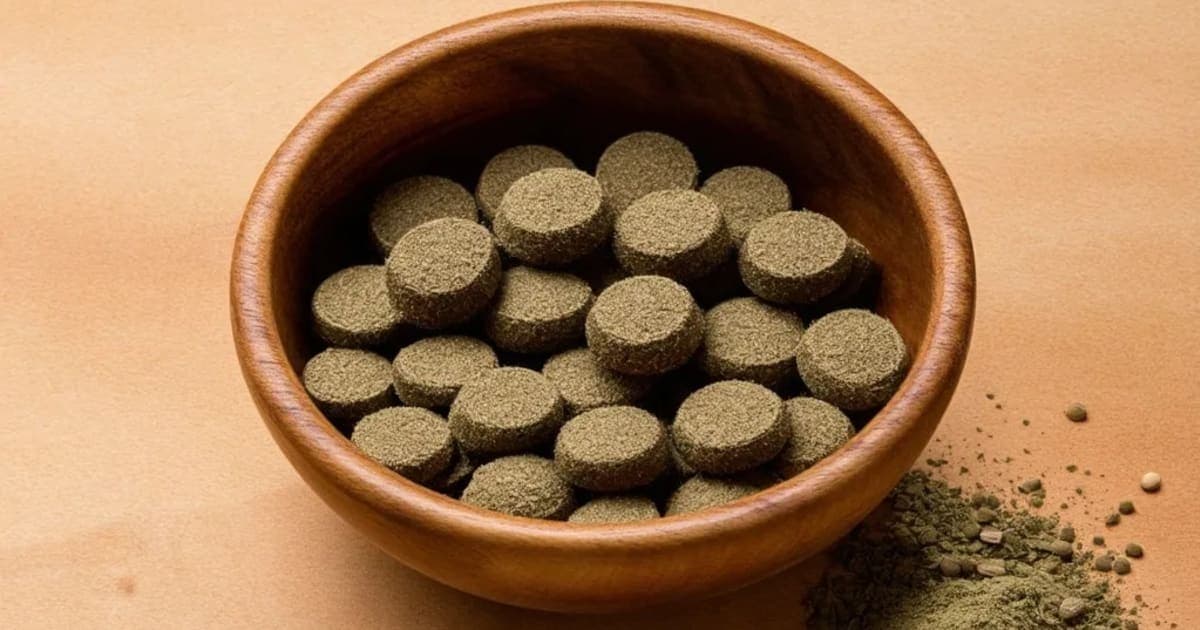
Kanthasudharak Vati is a traditional Ayurvedic lozenge formulated specifically to relieve sore throat, hoarseness, and persistent coughing. Unlike a raw herb you might crush yourself, this is a finished tablet designed to dissolve slowly in the mouth, allowing the medicinal properties to coat the throat lining directly.
The formulation relies on a unique taste profile that might seem contradictory at first: it is both Pungent (Katu) and Sweet (Madhura). The pungency cuts through mucus and clears the respiratory channels, while the sweet aspect nourishes the throat tissues and prevents the heat from becoming too harsh. This balance is why it is a go-to remedy in many Indian households when the voice starts to crack or a tickle in the throat won't go away.
Historically, this preparation is rooted in the principles found in classical texts like the Charaka Samhita, which emphasizes the importance of Yogavahi (synergistic) formulations that target specific channels of the body. A key takeaway for anyone using this is that the slow dissolution of the lozenge is just as important as the ingredients themselves; rushing to swallow it defeats the purpose of the local action.
What are the Ayurvedic properties of Kanthasudharak Vati?
"In Ayurveda, the therapeutic effect of Kanthasudharak Vati comes from its ability to balance the heavy, sticky nature of Kapha with the light, heating quality of its pungent ingredients."
The pharmacological profile of Kanthasudharak Vati is defined by five core properties that dictate how it interacts with your system. These properties explain why it works well for colds and congestion but requires caution in cases of high acidity or inflammation.
| Property (Sanskrit) | Value | What it means for your body |
|---|---|---|
| Rasa (Taste) | Katu, Madhura | Pungent taste stimulates digestion and clears mucus; Sweet taste soothes irritation and builds tissue. |
| Guna (Quality) | Laghu | Light quality ensures the medicine is absorbed quickly without weighing down the stomach. |
| Virya (Potency) | Ushna | Heating energy helps melt Kapha congestion and improves circulation to the throat area. |
| Vipaka (Post-digestive effect) | Katu | The lingering effect remains pungent, continuing to clear channels even after digestion. |
| Prabhava (Special effect) | Throat Soothing | A specific action that targets the throat region to reduce pain and hoarseness beyond what its taste alone would suggest. |
Which dosha does Kanthasudharak Vati balance?
Kanthasudharak Vati primarily pacifies Kapha and Vata doshas, making it ideal for congestion, dry coughs, and voice loss caused by cold weather or dry air. The heating potency (Ushna) melts the sticky Kapha mucus, while the light quality (Laghu) helps move the Vata air that causes spasms and coughing fits.
However, because the lozenge is heating and pungent, it can aggravate Pitta if used in excess. People with a Pitta constitution, or those currently experiencing a fever, severe throat infection with pus, or acid reflux, should use it sparingly. Overuse might lead to a burning sensation in the stomach or increased body heat. It is always best to stop use if you notice signs of excessive heat, such as heartburn or skin rashes.
How do people actually use Kanthasudharak Vati?
The most effective way to take Kanthasudharak Vati is to let it dissolve slowly on the tongue, ideally after meals or when the throat feels particularly dry. Many practitioners suggest taking one lozenge every 3 to 4 hours during acute cough episodes. For a more soothing effect, some people chew a small piece of fresh ginger or drink a sip of warm water after the lozenge dissolves to help push the medicine down the throat channels.
Unlike a pill you swallow whole, this is meant to be a local treatment. If you have children, ensure they understand it is a candy-like tablet that must be sucked on, not chewed quickly. In traditional settings, it is often paired with warm milk or honey to counteract the heat, though honey should be added to warm, not hot, liquids to maintain its medicinal quality.
Frequently Asked Questions
Is Kanthasudharak Vati safe for children with a cough?
Yes, Kanthasudharak Vati is generally safe for children, but the dosage must be reduced based on their age and weight. Always consult a pediatric Ayurvedic practitioner before giving it to a child under 5 years old to ensure the heating potency does not aggravate their sensitive system.
Can I take Kanthasudharak Vati if I have a fever?
No, you should avoid Kanthasudharak Vati if you have a high fever or an active infection with pus, as its heating (Ushna) nature can increase the body temperature and worsen Pitta imbalance. Wait until the fever subsides before using it for residual cough or throat irritation.
How long does it take for Kanthasudharak Vati to work?
Most users feel relief from throat tickling and hoarseness within 15 to 20 minutes of letting the lozenge dissolve. For a full course of cough relief, it is typically recommended to use it consistently for 3 to 5 days, or until symptoms fully resolve.
Does Kanthasudharak Vati contain sugar?
Traditional formulations often use honey or sugar as a binding agent, which contributes to the Sweet (Madhura) taste that soothes the throat. Diabetics should check the specific brand label or consult a practitioner for sugar-free alternatives, as the sweet component is part of the therapeutic design.
Medical Disclaimer: This article provides general information about Ayurvedic practices and is not intended as medical advice. Kanthasudharak Vati is a traditional formulation; individual results may vary. Always consult a qualified Ayurvedic practitioner or healthcare provider before starting any new treatment, especially if you are pregnant, nursing, or taking other medications.
Content based on traditional Ayurvedic texts and practices. Licensed under CC BY 4.0.
Frequently Asked Questions
What is Kanthasudharak Vati used for in Ayurveda?
Kanthasudharak Vati is primarily used as a Cough Relief and Throat Soother in Ayurvedic medicine. A lozenge for the throat, used to relieve sore throat, hoarseness, and cough. It pacifies Kapha, Vata dosha.
How should I take Kanthasudharak Vati?
Kanthasudharak Vati can be taken as powder (1/2-1 tsp with warm water or milk), decoction (boil 1 tsp in water), or tablets (1-2 daily). Always start with a low dose and consult an Ayurvedic practitioner for personalized guidance.
Is Kanthasudharak Vati safe during pregnancy?
Pregnant and nursing women should not take Kanthasudharak Vati without consulting their doctor first. Most Ayurvedic herbs require medical supervision during pregnancy.
Which dosha does Kanthasudharak Vati balance?
Kanthasudharak Vati pacifies Kapha, Vata. Excessive use may increase Pitta dosha.
Can I take Kanthasudharak Vati daily?
Kanthasudharak Vati can be taken daily in recommended doses for 4-8 weeks. After that, take a 2-week break before resuming. Long-term use should be supervised by a qualified Ayurvedic practitioner.
What are the side effects of Kanthasudharak Vati?
When taken in recommended doses, Kanthasudharak Vati is generally safe. Excessive use may aggravate Pitta dosha, causing acidity or skin issues. Stop use if you experience any adverse reaction.
Related Articles
The Timeless Benefits of Triphala: An Ayurvedic Powerhouse
Discover the transformative benefits of Triphala, an ancient Ayurvedic blend of three fruits that supports digestion, immunity, weight management, and overall vitality.
5 min read
The Divine Benefits of Tulsi (Holy Basil) in Ayurveda
Discover the sacred benefits of Tulsi (Holy Basil) in Ayurveda. From boosting immunity and reducing stress to supporting heart health and digestion, learn how this divine herb can transform your well-being.
4 min read
The Remarkable Benefits of Giloy: An Ayurvedic Powerhouse
Discover the profound health benefits of Giloy, the Ayurvedic 'root of immortality.' Learn how this powerful herb boosts immunity, manages diabetes, improves digestion, and supports skin, hair, and bone health.
5 min read
The Remarkable Benefits of Ashwagandha: An Ayurvedic Perspective
Discover the ancient wisdom of Ashwagandha, a powerful Ayurvedic adaptogen known for reducing stress, boosting immunity, improving sleep, and enhancing physical strength.
4 min read
Brihatyadi Kashayam: Natural Relief for Urinary Tract Disorders and Cystitis
Brihatyadi Kashayam is a cooling Ayurvedic decoction that targets urinary burning and cystitis by balancing Vata and Pitta. Unlike standard teas, this concentrated liquid extract is specifically designed to reduce inflammation in the bladder lining while flushing out toxins.
5 min read
Asphota: Ayurvedic Brain Tonic, Calming Herb & Blood Purifier
Often overlooked, Asphota is a cooling, bitter herb that acts as a gentle brain tonic and blood purifier. While it shares traits with the popular Aparajita, its unique astringent quality makes it particularly effective for stopping bleeding and soothing inflamed tissues.
6 min read
References & Sources
This article is based on principles from classical Ayurvedic texts including Charaka Samhita, Sushruta Samhita, and Ashtanga Hridaya. Content has been reviewed for accuracy by our editorial team. For specific medical conditions, always consult a qualified Ayurvedic practitioner or healthcare provider.
- • Charaka Samhita (चरक संहिता)
- • Sushruta Samhita (सुश्रुत संहिता)
- • Ashtanga Hridaya (अष्टांग हृदय)
Found an error in this article? Let us know