
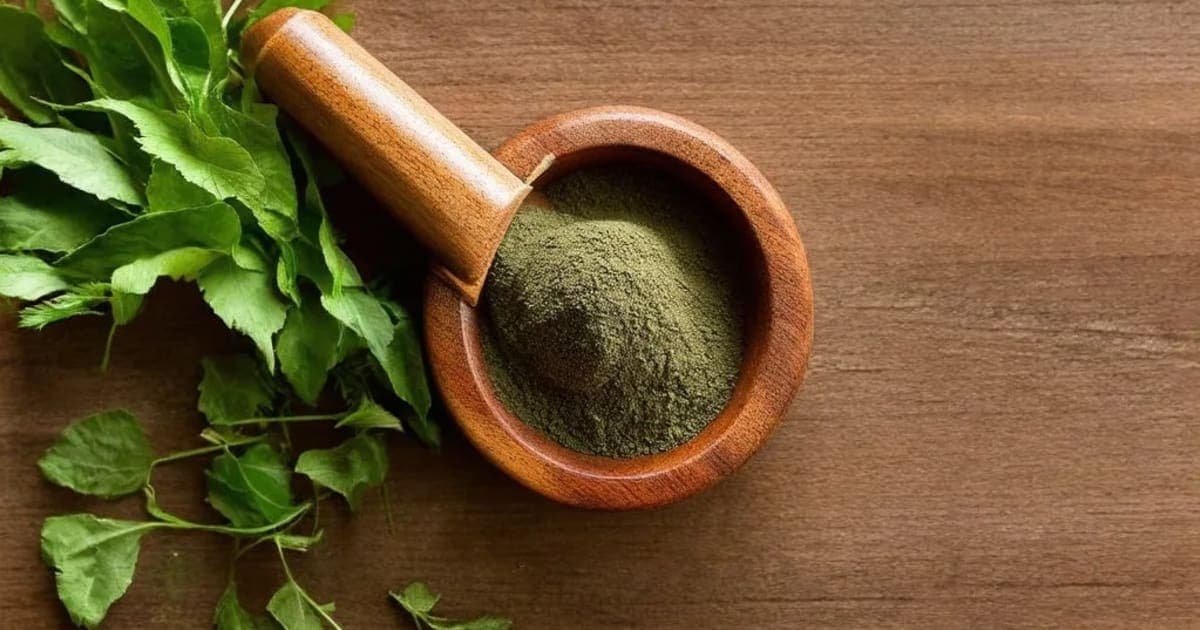
Kamalakanda: Cooling Lotus Stem for Pitta Balance & Bleeding Disorders
Expert Reviewed
Reviewed by AyurvedicUpchar Editorial Team
What is Kamalakanda?
Kamalakanda, the crisp and cooling stem of the lotus plant, is a traditional Ayurvedic remedy specifically valued for pacifying Pitta dosha and managing bleeding disorders. Unlike many dried roots or barks you might encounter in an herbal shop, this is often consumed fresh, offering a unique crunch and a subtle, sweet-astringent flavor that instantly soothes internal heat.
Classical texts like the Bhavaprakash Nighantu describe Kamalakanda as a Stambhana (astringent) substance, meaning it has the unique ability to stop excessive flow, whether that is blood, diarrhea, or even excessive menstrual discharge. While modern nutrition focuses on its fiber content, Ayurveda looks deeper at its energy: it is heavy to digest yet light on the system once metabolized, making it a paradoxical but powerful food-medicine.
You will often find grandmothers in Bengal or Kashmir grating raw lotus stem into salads with a pinch of rock salt to combat summer heat, a practice rooted in centuries of observation. This isn't just folklore; the specific combination of sweet and astringent tastes directly cools the blood and tightens loose tissues without causing the dryness associated with other astringents.
What are the Ayurvedic properties of Kamalakanda?
The Ayurvedic classification of Kamalakanda reveals why it works so well for inflammation: it combines heavy, nourishing qualities with a distinctively cold potency to cool the body from the inside out. These five fundamental properties, known as Dravyaguna, act as a map for how the herb interacts with your tissues, determining everything from how fast it absorbs to how it affects your mind.
| Property (Sanskrit) | Value | What it means for your body |
|---|---|---|
| Rasa (Taste) | Madhura (Sweet), Kashaya (Astringent) | Sweet builds tissue and calms the mind; Astringent dries excess moisture and stops bleeding. |
| Guna (Quality) | Guru (Heavy), Snigdha (Oily) | Provides deep nourishment and lubrication, though it requires strong digestion to process fully. |
| Virya (Potency) | Sheeta (Cold) | Directly reduces inflammation, burning sensations, and excessive body heat immediately upon ingestion. |
| Vipaka (Post-digestive) | Madhura (Sweet) | Leaves a nourishing, grounding effect on the body long after digestion is complete. |
| Prabhava (Special Effect) | Rakta Stambhana | Specifically targets the blood channel to arrest bleeding and reduce Pitta-based toxins. |
Notice the Sheeta Virya (cold potency) in the table above? This is the key reason why Kamalakanda is a go-to for someone suffering from a nosebleed in July or acid reflux after a spicy meal. It doesn't just mask the symptom; its cold energy counteracts the hot, sharp quality of aggravated Pitta.
Which dosha does Kamalakanda balance?
Kamalakanda primarily pacifies Pitta dosha, making it an ideal dietary addition for anyone struggling with heat-related conditions like acidity, skin rashes, or irritability. Because its taste is both sweet and astringent, it creates a dual action: the sweet aspect rebuilds tissues damaged by excess heat, while the astringent aspect tightens and heals.
However, this same cooling and heavy nature means it can aggravate Vata and Kapha if used without care. If you already feel cold, sluggish, or bloated, eating large amounts of raw lotus stem might make you feel heavier or increase mucus production, so moderation is key.
How do I know if I need Kamalakanda?
You likely need Kamalakanda if you experience classic signs of high Pitta, such as frequent heartburn, angry red acne, sensitivity to sunlight, or a tendency toward anger and impatience. In practical terms, if you find yourself reaching for cold drinks constantly or feeling burning sensations in your hands and feet at night, your body is crying out for this cooling herb.
Conversely, if your main issues are joint stiffness, chronic constipation, or a feeling of cold dampness in the chest, you might want to skip the lotus stem or only eat it cooked with warming spices like ginger and black pepper to offset its cold potency.
Frequently Asked Questions
Is lotus stem good for acid reflux?
Yes, Kamalakanda is excellent for acid reflux because its cold potency (Sheeta Virya) directly neutralizes the excess heat and acid characteristic of Pitta imbalance. Chewing a small piece of fresh stem or drinking its juice can provide immediate relief from burning sensations.
Can I eat Kamalakanda if I have high cholesterol?
Ayurveda considers Kamalakanda beneficial for managing weight and lipid profiles due to its astringent taste, which helps scrape away excess fats (Lekhana property). However, because it is also heavy to digest, it should be eaten in moderation and preferably cooked with digestive spices.
How is Kamalakanda different from regular vegetables?
Unlike most vegetables that are just food, Kamalakanda is classified as a Dravya (medicine) in texts like the Charaka Samhita due to its specific ability to stop bleeding (Rakta Stambhana). Its unique pharmacological profile allows it to treat medical conditions like menorrhagia and epistaxis, not just provide nutrition.
Frequently Asked Questions
What is Kamalakanda used for in Ayurveda?
Kamalakanda is primarily used as a Raktastambhana and Strength Promoter in Ayurvedic medicine. Lotus stem is a cooling, nourishing vegetable that pacifies Pitta and helps in bleeding disorders. It pacifies Pitta dosha.
How should I take Kamalakanda?
Kamalakanda can be taken as powder (1/2-1 tsp with warm water or milk), decoction (boil 1 tsp in water), or tablets (1-2 daily). Always start with a low dose and consult an Ayurvedic practitioner for personalized guidance.
Is Kamalakanda safe during pregnancy?
Pregnant and nursing women should not take Kamalakanda without consulting their doctor first. Most Ayurvedic herbs require medical supervision during pregnancy.
Which dosha does Kamalakanda balance?
Kamalakanda pacifies Pitta. Excessive use may increase Vata, Kapha dosha.
Can I take Kamalakanda daily?
Kamalakanda can be taken daily in recommended doses for 4-8 weeks. After that, take a 2-week break before resuming. Long-term use should be supervised by a qualified Ayurvedic practitioner.
What are the side effects of Kamalakanda?
When taken in recommended doses, Kamalakanda is generally safe. Excessive use may aggravate Vata, Kapha dosha, causing gas or bloating. Stop use if you experience any adverse reaction.
Related Articles
The Timeless Benefits of Triphala: An Ayurvedic Powerhouse
Discover the transformative benefits of Triphala, an ancient Ayurvedic blend of three fruits that supports digestion, immunity, weight management, and overall vitality.
5 min read
The Divine Benefits of Tulsi (Holy Basil) in Ayurveda
Discover the sacred benefits of Tulsi (Holy Basil) in Ayurveda. From boosting immunity and reducing stress to supporting heart health and digestion, learn how this divine herb can transform your well-being.
4 min read
The Remarkable Benefits of Giloy: An Ayurvedic Powerhouse
Discover the profound health benefits of Giloy, the Ayurvedic 'root of immortality.' Learn how this powerful herb boosts immunity, manages diabetes, improves digestion, and supports skin, hair, and bone health.
5 min read
The Remarkable Benefits of Ashwagandha: An Ayurvedic Perspective
Discover the ancient wisdom of Ashwagandha, a powerful Ayurvedic adaptogen known for reducing stress, boosting immunity, improving sleep, and enhancing physical strength.
4 min read
Brihatyadi Kashayam: Natural Relief for Urinary Tract Disorders and Cystitis
Brihatyadi Kashayam is a cooling Ayurvedic decoction that targets urinary burning and cystitis by balancing Vata and Pitta. Unlike standard teas, this concentrated liquid extract is specifically designed to reduce inflammation in the bladder lining while flushing out toxins.
5 min read
Asphota: Ayurvedic Brain Tonic, Calming Herb & Blood Purifier
Often overlooked, Asphota is a cooling, bitter herb that acts as a gentle brain tonic and blood purifier. While it shares traits with the popular Aparajita, its unique astringent quality makes it particularly effective for stopping bleeding and soothing inflamed tissues.
6 min read
References & Sources
This article is based on principles from classical Ayurvedic texts including Charaka Samhita, Sushruta Samhita, and Ashtanga Hridaya. Content has been reviewed for accuracy by our editorial team. For specific medical conditions, always consult a qualified Ayurvedic practitioner or healthcare provider.
- • Charaka Samhita (चरक संहिता)
- • Sushruta Samhita (सुश्रुत संहिता)
- • Ashtanga Hridaya (अष्टांग हृदय)
Found an error in this article? Let us know