
Kakoli Benefits: Rejuvenate Tissues & Calm Vata-Pitta Naturally
Expert Reviewed
Reviewed by AyurvedicUpchar Editorial Team
What is Kakoli and why is it rare?
Kakoli is a rare, cooling rhizome from the Himalayas, revered in Ayurveda as one of the eight precious herbs of the Ashtavarga group used specifically to rebuild deep tissue and calm an overheated nervous system. Unlike common kitchen spices, this herb grows only at high altitudes between 3,000 and 4,000 meters, making its wild harvest strictly regulated and its presence in modern formulas a sign of high-quality formulation.
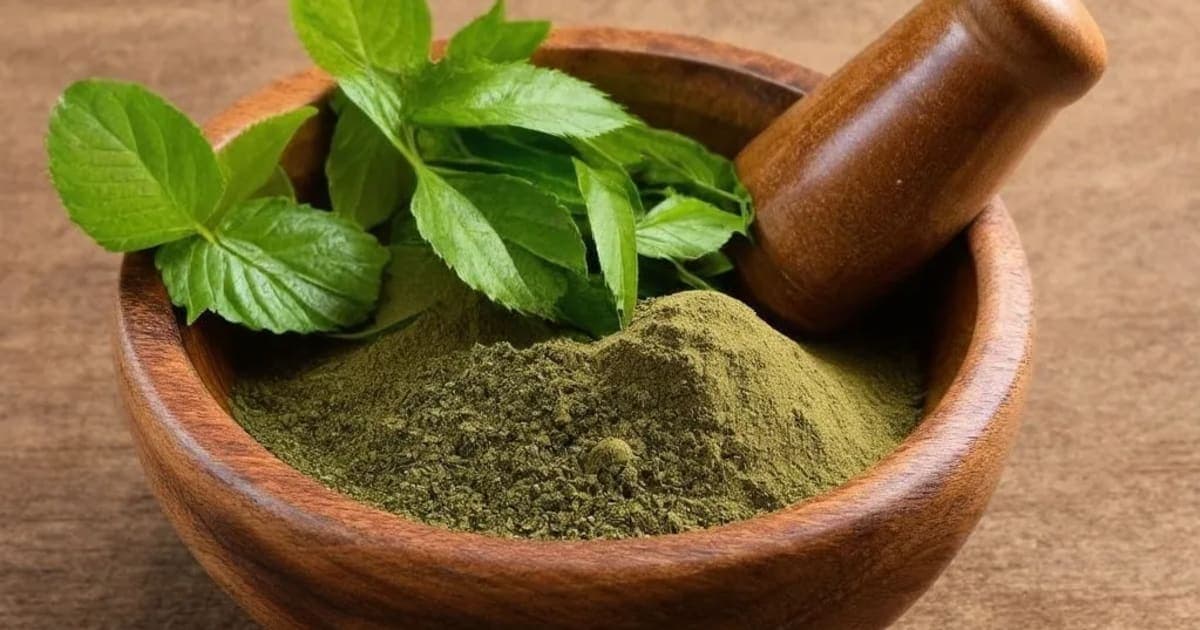
You will most often encounter Kakoli as a fine, beige powder mixed into warm milk or ghee, where its subtle, sweet aroma mimics that of sandalwood. Ancient physicians valued it not just for strength, but for its ability to stop the body from "burning out" under stress. The Charaka Samhita, the foundational text of Ayurvedic medicine, lists Kakoli as essential for Brimhana (nourishing therapy), specifically for patients who have lost weight due to chronic fever or excessive mental exertion.
What are the Ayurvedic properties of Kakoli?
Kakoli is defined by its sweet taste, heavy and oily qualities, and cold potency, creating a profile that deeply nourishes depleted tissues while simultaneously cooling internal inflammation. These specific characteristics mean the herb moves slowly through the digestive tract, offering sustained release nutrition rather than a quick stimulant effect. This makes it ideal for long-term recovery rather than acute, short-term fixes.
In classical pharmacology, the combination of Guru (heavy) and Snigdha (oily) allows Kakoli to penetrate dry, rough tissues typical of Vata imbalance. Here is how these properties translate to physical effects in the body:
| Property (Sanskrit) | Value | What it means for your body |
|---|---|---|
| Rasa (Taste) | Madhura (Sweet) | Builds muscle and fat tissue, calms the mind, and reduces physical agitation. |
| Guna (Quality) | Guru, Snigdha | Heavy and unctuous; provides deep lubrication to joints and dry organs. |
| Virya (Potency) | Sheeta (Cold) | Directly cools burning sensations in the stomach, skin, or urinary tract. |
| Vipaka (Post-digestive) | Madhura (Sweet) | Ensures the long-term effect remains nourishing and grounding after digestion. |
Which doshas does Kakoli balance?
Kakoli primarily pacifies Vata and Pitta doshas by countering their inherent dryness and heat with its own moist, cooling nature. People who feel constantly "wired but tired," suffer from night sweats, or have dry, cracking skin often find immediate relief when introducing this herb into their routine. Its heavy quality anchors the flighty, mobile energy of Vata, while its cold potency soothes the sharp, acidic fire of Pitta.
However, this same heaviness means Kakoli can aggravate Kapha dosha if used without caution. If you already struggle with sluggish digestion, frequent congestion, or a feeling of heaviness in the chest, this herb might make those symptoms worse. In such cases, traditional practitioners often recommend combining Kakoli with a small amount of dry ginger or black pepper to stimulate digestion and prevent mucus formation.
Signs you might need Kakoli
You are likely a candidate for Kakoli if your stress manifests physically as weight loss, muscle wasting, or a burning sensation in the palms and feet. It is particularly useful for students or professionals facing mental burnout where the mind feels hot and scattered, yet the body feels weak. The herb acts as a thermal regulator, bringing the internal temperature down to a state where healing can occur.
What are the primary health benefits of Kakoli?
The primary benefit of Kakoli is its ability to act as a Rasayana (rejuvenator) for the reproductive and nervous systems, helping to restore vitality lost through chronic illness or overwork. Modern users often seek it out as a natural alternative for building lean muscle mass and improving sleep quality without sedation. Because it builds tissue (Dhatu Pusti), it is frequently prescribed during recovery from long fevers or surgery.
Practitioners also note its efficacy in treating Kshaya, a condition resembling tuberculosis or severe wasting diseases, where the body consumes its own reserves. By providing a dense source of nutrition that is easy to assimilate, Kakoli halts this catabolic process. A quotable fact from the Bhavaprakash Nighantu states that Kakoli is "the bestower of strength and longevity," highlighting its status as a premier tonic for extending healthspan rather than just treating symptoms.
Frequently Asked Questions
How do I take Kakoli powder at home?
Mix half a teaspoon of Kakoli powder into a cup of warm milk with a teaspoon of ghee and honey, preferably taken at night before bed. This traditional preparation, known as Ksheerapaka, maximizes absorption and leverages the milk's own cooling properties to enhance the herb's effect.
Can Kakoli help with weight gain?
Yes, Kakoli is specifically indicated for healthy weight gain in individuals who are underweight due to Vata or Pitta imbalance. It promotes the formation of muscle and fat tissue rather than just adding water weight, provided it is taken consistently over several weeks.
Is Kakoli safe for children?
Kakoli is generally considered safe for children who are failing to thrive or have weak digestion, but the dosage must be significantly lower than for adults. Always consult an Ayurvedic practitioner to determine the correct dose based on the child's age and specific constitution.
Frequently Asked Questions
What is Kakoli used for in Ayurveda?
Kakoli is primarily used as a Rejuvenative (Rasayana) and Reproductive Tonic in Ayurvedic medicine. From the Ashtavarga group, Kakoli is a cooling, nourishing tonic used in rejuvenative and aphrodisiac formulas. It pacifies Vata, Pitta dosha.
How should I take Kakoli?
Kakoli can be taken as powder (1/2-1 tsp with warm water or milk), decoction (boil 1 tsp in water), or tablets (1-2 daily). Always start with a low dose and consult an Ayurvedic practitioner for personalized guidance.
Is Kakoli safe during pregnancy?
Pregnant and nursing women should not take Kakoli without consulting their doctor first. Most Ayurvedic herbs require medical supervision during pregnancy.
Which dosha does Kakoli balance?
Kakoli pacifies Vata, Pitta. Excessive use may increase Kapha dosha.
Can I take Kakoli daily?
Kakoli can be taken daily in recommended doses for 4-8 weeks. After that, take a 2-week break before resuming. Long-term use should be supervised by a qualified Ayurvedic practitioner.
What are the side effects of Kakoli?
When taken in recommended doses, Kakoli is generally safe. Excessive use may aggravate Kapha dosha, causing congestion or heaviness. Stop use if you experience any adverse reaction.
Related Articles
The Timeless Benefits of Triphala: An Ayurvedic Powerhouse
Discover the transformative benefits of Triphala, an ancient Ayurvedic blend of three fruits that supports digestion, immunity, weight management, and overall vitality.
5 min read
The Divine Benefits of Tulsi (Holy Basil) in Ayurveda
Discover the sacred benefits of Tulsi (Holy Basil) in Ayurveda. From boosting immunity and reducing stress to supporting heart health and digestion, learn how this divine herb can transform your well-being.
4 min read
The Remarkable Benefits of Giloy: An Ayurvedic Powerhouse
Discover the profound health benefits of Giloy, the Ayurvedic 'root of immortality.' Learn how this powerful herb boosts immunity, manages diabetes, improves digestion, and supports skin, hair, and bone health.
5 min read
The Remarkable Benefits of Ashwagandha: An Ayurvedic Perspective
Discover the ancient wisdom of Ashwagandha, a powerful Ayurvedic adaptogen known for reducing stress, boosting immunity, improving sleep, and enhancing physical strength.
4 min read
Brihatyadi Kashayam: Natural Relief for Urinary Tract Disorders and Cystitis
Brihatyadi Kashayam is a cooling Ayurvedic decoction that targets urinary burning and cystitis by balancing Vata and Pitta. Unlike standard teas, this concentrated liquid extract is specifically designed to reduce inflammation in the bladder lining while flushing out toxins.
5 min read
Asphota: Ayurvedic Brain Tonic, Calming Herb & Blood Purifier
Often overlooked, Asphota is a cooling, bitter herb that acts as a gentle brain tonic and blood purifier. While it shares traits with the popular Aparajita, its unique astringent quality makes it particularly effective for stopping bleeding and soothing inflamed tissues.
6 min read
References & Sources
This article is based on principles from classical Ayurvedic texts including Charaka Samhita, Sushruta Samhita, and Ashtanga Hridaya. Content has been reviewed for accuracy by our editorial team. For specific medical conditions, always consult a qualified Ayurvedic practitioner or healthcare provider.
- • Charaka Samhita (चरक संहिता)
- • Sushruta Samhita (सुश्रुत संहिता)
- • Ashtanga Hridaya (अष्टांग हृदय)
Found an error in this article? Let us know