
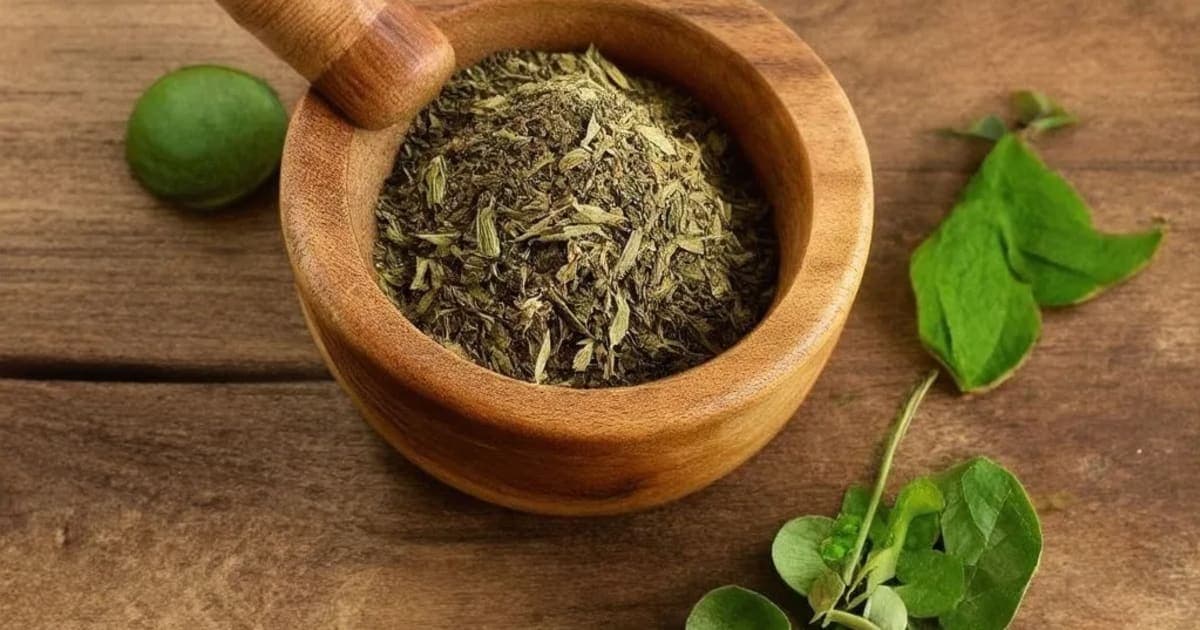
Kakamachi Benefits: The Tridosha Herb for Skin, Liver & Detox
Expert Reviewed
Reviewed by AyurvedicUpchar Editorial Team
What is Kakamachi?
Kakamachi, commonly known as Black Nightshade, is a bitter, warming herb revered in Ayurveda for its unique ability to balance all three doshas while cleansing the blood and liver. Unlike most herbs that favor one constitution over another, this unassuming weed growing in backyards across India acts as a universal balancer for Vata, Pitta, and Kapha.
You likely know it by its small white flowers and berries that start green before turning a glossy, jet-black when ripe. In the kitchen, grandmothers often sauté the fresh leaves with a pinch of turmeric and ghee to create a simple, healing stir-fry that clears congestion and cools internal heat. The Charaka Samhita, specifically in the Sutra Sthana section, lists Kakamachi as a primary Dravya (substance) for managing skin disorders and fever, highlighting its status as a foundational medicine rather than just a folk remedy.
This herb is a Tridosha Shamaka, meaning it pacifies Vata, Pitta, and Kapha simultaneously. While many herbs risk aggravating one dosha while treating another, Kakamachi's specific combination of bitter taste and heating potency allows it to harmonize the body's energies without creating new imbalances.
What are the Ayurvedic properties of Kakamachi?
Kakamachi is defined by its bitter taste (Tikta Rasa), heating potency (Ushna Virya), and pungent post-digestive effect (Katu Vipaka), which together drive deep detoxification and metabolic stimulation. These properties explain why the herb tastes sharp on the tongue yet leaves a lingering warmth in the stomach, signaling its power to ignite digestive fire (Agni) and burn through toxins (Ama).
In Dravyaguna Shastra (Ayurvedic pharmacology), every herb is mapped by five fundamental properties that predict exactly how it interacts with your tissues. Here is the specific profile that makes Kakamachi so effective for skin and liver health:
| Property (Sanskrit) | Value | What it means for your body |
|---|---|---|
| Rasa (Taste) | Tikta (Bitter) | Immediately detoxifies blood, reduces inflammation, and clears skin eruptions. |
| Guna (Quality) | Laghu (Light), Snigdha (Oily) | Penetrates deep into tissues quickly while preventing dryness or irritation. |
| Virya (Potency) | Ushna (Heating) | Stimulates metabolism, improves circulation, and enhances digestive fire. |
| Vipaka (Post-digestive) | Katu (Pungent) | Breaks down stubborn mucus and fat deposits long after digestion is complete. |
| Prabhava (Special Effect) | Tridosha Hara | Uniquely balances all three doshas without causing side effects. |
Which doshas does Kakamachi balance?
Kakamachi is a rare Tridosha-balancing herb that safely pacifies Vata, Pitta, and Kapha, making it suitable for almost any body constitution. Most herbs have a narrow window of use, but because Kakamachi combines bitter cooling qualities with a heating metabolic effect, it resolves conflicts between doshas rather than worsening them.
This balancing act makes it a go-to choice for complex conditions where multiple doshas are disturbed. For instance, in chronic skin issues like eczema, Pitta might be high (inflammation) while Kapha is elevated (oozing or heaviness). Kakamachi addresses both without needing a complex cocktail of different herbs.
How do you know if you need Kakamachi?
You may benefit from Kakamachi if you experience recurring skin allergies, a sluggish liver, or that heavy, lethargic feeling after eating oily foods. It is particularly useful when you notice a combination of symptoms like nasal congestion paired with skin rashes, or unexplained weight gain alongside digestive bloating.
Practically, people use the fresh juice of the leaves mixed with honey for coughs, or apply a warm paste of the leaves directly on boils and abscesses to speed up healing. The ripe black berries are sometimes eaten raw in small quantities to soothe mouth ulcers, though the unripe green berries should always be avoided as they can be toxic.
Frequently Asked Questions
Is Kakamachi safe to eat daily?
Yes, when used in culinary amounts or as directed by an Ayurvedic practitioner, Kakamachi leaves are safe for daily consumption. However, only the ripe black berries and cooked leaves should be used; raw green berries and stems can be toxic if consumed in large quantities.
Can Kakamachi help with skin allergies?
Kakamachi is highly effective for skin allergies due to its blood-purifying (Rakta Shodhaka) properties and bitter taste that reduces Pitta heat. It is often prescribed for hives, itching, and chronic eczema where the skin is red, inflamed, and oozing.
What is the best way to take Kakamachi for liver health?
For liver support, the fresh juice of Kakamachi leaves (Swarasa) mixed with a little warm water or honey is traditionally taken on an empty stomach. This method ensures the active compounds reach the liver quickly to stimulate bile flow and detoxification.
Disclaimer: This content is for educational purposes only and is not medical advice. Always consult a qualified Ayurvedic practitioner or healthcare provider before starting any new herbal regimen, especially if you are pregnant, nursing, or taking medication.
Frequently Asked Questions
What is Kakamachi used for in Ayurveda?
Kakamachi is primarily used as a Rejuvenative (Rasayana) and Heart Tonic in Ayurvedic medicine. Black nightshade is a tridoshic herb used for skin diseases, liver disorders, and as a rejuvenative. It pacifies tridosha dosha.
How should I take Kakamachi?
Kakamachi can be taken as powder (1/2-1 tsp with warm water or milk), decoction (boil 1 tsp in water), or tablets (1-2 daily). Always start with a low dose and consult an Ayurvedic practitioner for personalized guidance.
Is Kakamachi safe during pregnancy?
Pregnant and nursing women should not take Kakamachi without consulting their doctor first. Most Ayurvedic herbs require medical supervision during pregnancy.
Which dosha does Kakamachi balance?
Kakamachi pacifies tridosha and is one of the rare Tridosha herbs that balances all three doshas.
Can I take Kakamachi daily?
Kakamachi can be taken daily in recommended doses for 4-8 weeks. After that, take a 2-week break before resuming. Long-term use should be supervised by a qualified Ayurvedic practitioner.
What are the side effects of Kakamachi?
When taken in recommended doses, Kakamachi is generally safe. Overconsumption may cause digestive discomfort. Stop use if you experience any adverse reaction.
Related Articles
The Timeless Benefits of Triphala: An Ayurvedic Powerhouse
Discover the transformative benefits of Triphala, an ancient Ayurvedic blend of three fruits that supports digestion, immunity, weight management, and overall vitality.
5 min read
The Divine Benefits of Tulsi (Holy Basil) in Ayurveda
Discover the sacred benefits of Tulsi (Holy Basil) in Ayurveda. From boosting immunity and reducing stress to supporting heart health and digestion, learn how this divine herb can transform your well-being.
4 min read
The Remarkable Benefits of Giloy: An Ayurvedic Powerhouse
Discover the profound health benefits of Giloy, the Ayurvedic 'root of immortality.' Learn how this powerful herb boosts immunity, manages diabetes, improves digestion, and supports skin, hair, and bone health.
5 min read
The Remarkable Benefits of Ashwagandha: An Ayurvedic Perspective
Discover the ancient wisdom of Ashwagandha, a powerful Ayurvedic adaptogen known for reducing stress, boosting immunity, improving sleep, and enhancing physical strength.
4 min read
Brihatyadi Kashayam: Natural Relief for Urinary Tract Disorders and Cystitis
Brihatyadi Kashayam is a cooling Ayurvedic decoction that targets urinary burning and cystitis by balancing Vata and Pitta. Unlike standard teas, this concentrated liquid extract is specifically designed to reduce inflammation in the bladder lining while flushing out toxins.
5 min read
Asphota: Ayurvedic Brain Tonic, Calming Herb & Blood Purifier
Often overlooked, Asphota is a cooling, bitter herb that acts as a gentle brain tonic and blood purifier. While it shares traits with the popular Aparajita, its unique astringent quality makes it particularly effective for stopping bleeding and soothing inflamed tissues.
6 min read
References & Sources
This article is based on principles from classical Ayurvedic texts including Charaka Samhita, Sushruta Samhita, and Ashtanga Hridaya. Content has been reviewed for accuracy by our editorial team. For specific medical conditions, always consult a qualified Ayurvedic practitioner or healthcare provider.
- • Charaka Samhita (चरक संहिता)
- • Sushruta Samhita (सुश्रुत संहिता)
- • Ashtanga Hridaya (अष्टांग हृदय)
Found an error in this article? Let us know