
Kaishore Guggul: Ayurvedic Remedy for Gout, Arthritis & Skin Detox
Expert Reviewed
Reviewed by AyurvedicUpchar Editorial Team
What is Kaishore Guggul and how does it work?
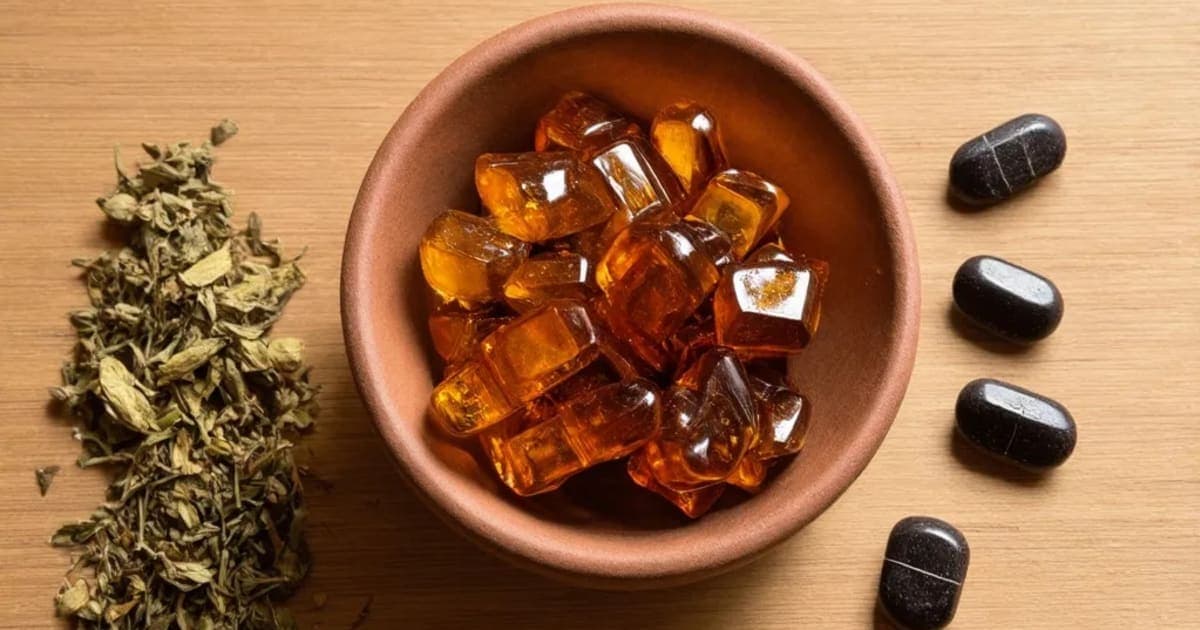
Kaishore Guggul is a classic Ayurvedic formulation centered on purified resin (Guggulu) and bitter herbs, traditionally used to clear blood toxins, reduce joint inflammation, and heal skin disorders. Unlike raw herbs, this preparation combines the sticky, resinous base of Guggulu with cooling agents like Guduchi and Neem to create a balanced medicine that burns out impurities without scorching the digestive fire. When you take it, the mixture works deep in the channels (Srotas) to dissolve uric acid crystals and clear stagnant heat from the tissues.
In the ancient Charaka Samhita, this specific combination is revered not just for its ability to treat gout, but for its role as a blood purifier (Rakta Shodhaka) that prepares the body for deeper rejuvenation. A distinct fact for modern readers is that while Guggulu alone is heating, the addition of cooling herbs like Guduchi makes Kaishore Guggul uniquely safe for Pitta-dominant individuals suffering from inflammatory arthritis.
How do the taste and properties of Kaishore Guggul affect the body?
The therapeutic power of Kaishore Guggul comes from its specific taste profile: primarily Bitter (Tikta) and Astringent (Kashaya), with a heating potency (Virya) and a pungent post-digestive effect (Vipaka). This combination allows it to dry up excess moisture in joints while simultaneously cooling the blood and reducing swelling. The bitter taste targets the liver and blood, flushing out toxins, while the astringent quality helps tighten tissues and heal open wounds or skin ulcers.
Understanding these properties helps you see why it works. The resin is light (Laghu), meaning it penetrates deep into the bones and joints quickly, while its heating nature stirs the digestive fire to ensure the herbs are fully metabolized. Below is the complete pharmacological profile used by Ayurvedic practitioners to determine dosage and safety:
| Property (Sanskrit) | Value | What it means for your body |
|---|---|---|
| Rasa (Taste) | Tikta (Bitter), Kashaya (Astringent) | Bitter clears heat and toxins from the blood; Astringent dries excess fluid, heals wounds, and tightens tissues. |
| Guna (Quality) | Laghu (Light) | Light texture ensures rapid absorption and deep penetration into bones and joints. |
| Virya (Potency) | Ushna (Hot) | Heating energy stimulates metabolism, breaks down stubborn fat, and improves circulation to cold, stiff limbs. |
| Vipaka (Post-digestive) | Katu (Pungent) | Creates a long-term heating effect that continues to digest toxins even after the herb leaves the stomach. |
Which doshas does Kaishore Guggul balance and aggravate?
Kaishore Guggul primarily pacifies Pitta and Vata doshas, making it a top choice for inflammatory conditions like gout, rheumatoid arthritis, and hot, red skin rashes. Its cooling bitter herbs counteract the burning sensation of high Pitta, while its light, penetrating nature settles the erratic movement of Vata that causes joint pain and stiffness.
However, caution is necessary for those with high Kapha. Because the formulation contains heating resins and can increase metabolic heat, excessive use in Kapha-dominant individuals may lead to congestion, sluggish digestion, or increased mucus production. A traditional tip from Ayurvedic grandmothers is to always take this herb with warm water or a teaspoon of ghee to guide its heat properly, rather than with cold milk, which might dull its action.
Signs you might benefit from Kaishore Guggul
You may need this herb if you experience the tell-tale signs of toxic accumulation: burning sensations in the joints, red or swollen skin that feels hot to the touch, or chronic acne that refuses to heal. It is also indicated when you feel a heavy, dull ache in your limbs that worsens with humidity, signaling that toxins have settled in the tissues. If you notice your urine is dark or scanty, or if you suffer from burning urination alongside joint pain, Kaishore Guggul is often the first line of defense in a cleansing protocol.
How is Kaishore Guggul traditionally used and what are the precautions?
Traditionally, Kaishore Guggul is taken as a powder or tablet mixed with warm water, often after meals to aid digestion and prevent gastric irritation. For skin conditions, practitioners sometimes mix the powder with honey to create a paste for topical application, though internal use is more common for systemic detox. The key to success is consistency; it is not a quick fix but a gradual cleanser that requires 4 to 8 weeks of daily use to show full results.
While generally safe, specific precautions apply. Pregnant women should avoid it entirely due to its heating and blood-moving properties. People with active bleeding disorders, severe ulcers, or acute kidney issues must consult a Vaidya (Ayurvedic doctor) first. If you experience heartburn or excessive thirst, reduce the dose immediately, as these are signs the heating potency is too strong for your current state.
Frequently Asked Questions
Does Kaishore Guggul help with gout and high uric acid?
Yes, Kaishore Guggul is highly effective for gout because it specifically targets uric acid crystals in the joints. Its bitter and astringent properties help dissolve these crystals and flush them out through urine, reducing the sharp pain and swelling associated with acute gout attacks.
Can I take Kaishore Guggul if I have high Pitta or a hot constitution?
Unlike many Guggulu formulations that are too heating for Pitta types, Kaishore Guggul is balanced with cooling herbs like Neem and Guduchi. This makes it safe and beneficial for people with high Pitta, provided they do not have a Kapha imbalance or are not pregnant.
What is the best time of day to take Kaishore Guggul?
The best time to take Kaishore Guggul is after lunch and dinner with warm water. Taking it after food helps protect the stomach lining from the resin's heating effects and ensures the herbs are absorbed along with the meal's nutrients.
How long does it take to see results from Kaishore Guggul?
Results vary by individual, but most people notice a reduction in joint pain and skin inflammation within 2 to 3 weeks. Full detoxification and significant changes in uric acid levels typically require 6 to 8 weeks of consistent daily use.
Disclaimer: This article is for informational purposes only and does not constitute medical advice. Always consult with a qualified Ayurvedic practitioner or healthcare provider before starting any new herbal regimen, especially if you are pregnant, nursing, or taking prescription medications.
Frequently Asked Questions
What is Kaishore Guggul used for in Ayurveda?
Kaishore Guggul is primarily used as a Raktashodhak and Vatahara in Ayurvedic medicine. A Guggulu preparation for balancing Pitta and Vata, used for gout, arthritis, and skin diseases. It pacifies Pitta, Vata dosha.
How should I take Kaishore Guggul?
Kaishore Guggul can be taken as powder (1/2-1 tsp with warm water or milk), decoction (boil 1 tsp in water), or tablets (1-2 daily). Always start with a low dose and consult an Ayurvedic practitioner for personalized guidance.
Is Kaishore Guggul safe during pregnancy?
Pregnant and nursing women should not take Kaishore Guggul without consulting their doctor first. Most Ayurvedic herbs require medical supervision during pregnancy.
Which dosha does Kaishore Guggul balance?
Kaishore Guggul pacifies Pitta, Vata. Excessive use may increase Kapha dosha.
Can I take Kaishore Guggul daily?
Kaishore Guggul can be taken daily in recommended doses for 4-8 weeks. After that, take a 2-week break before resuming. Long-term use should be supervised by a qualified Ayurvedic practitioner.
What are the side effects of Kaishore Guggul?
When taken in recommended doses, Kaishore Guggul is generally safe. Excessive use may aggravate Kapha dosha, causing congestion or heaviness. Stop use if you experience any adverse reaction.
Related Articles
The Timeless Benefits of Triphala: An Ayurvedic Powerhouse
Discover the transformative benefits of Triphala, an ancient Ayurvedic blend of three fruits that supports digestion, immunity, weight management, and overall vitality.
5 min read
The Divine Benefits of Tulsi (Holy Basil) in Ayurveda
Discover the sacred benefits of Tulsi (Holy Basil) in Ayurveda. From boosting immunity and reducing stress to supporting heart health and digestion, learn how this divine herb can transform your well-being.
4 min read
The Remarkable Benefits of Giloy: An Ayurvedic Powerhouse
Discover the profound health benefits of Giloy, the Ayurvedic 'root of immortality.' Learn how this powerful herb boosts immunity, manages diabetes, improves digestion, and supports skin, hair, and bone health.
5 min read
The Remarkable Benefits of Ashwagandha: An Ayurvedic Perspective
Discover the ancient wisdom of Ashwagandha, a powerful Ayurvedic adaptogen known for reducing stress, boosting immunity, improving sleep, and enhancing physical strength.
4 min read
Brihatyadi Kashayam: Natural Relief for Urinary Tract Disorders and Cystitis
Brihatyadi Kashayam is a cooling Ayurvedic decoction that targets urinary burning and cystitis by balancing Vata and Pitta. Unlike standard teas, this concentrated liquid extract is specifically designed to reduce inflammation in the bladder lining while flushing out toxins.
5 min read
Asphota: Ayurvedic Brain Tonic, Calming Herb & Blood Purifier
Often overlooked, Asphota is a cooling, bitter herb that acts as a gentle brain tonic and blood purifier. While it shares traits with the popular Aparajita, its unique astringent quality makes it particularly effective for stopping bleeding and soothing inflamed tissues.
6 min read
References & Sources
This article is based on principles from classical Ayurvedic texts including Charaka Samhita, Sushruta Samhita, and Ashtanga Hridaya. Content has been reviewed for accuracy by our editorial team. For specific medical conditions, always consult a qualified Ayurvedic practitioner or healthcare provider.
- • Charaka Samhita (चरक संहिता)
- • Sushruta Samhita (सुश्रुत संहिता)
- • Ashtanga Hridaya (अष्टांग हृदय)
Found an error in this article? Let us know