
Kadali Pushpa: Benefits for Diabetes, Bleeding Disorders & Ayurvedic Uses
Expert Reviewed
Reviewed by AyurvedicUpchar Editorial Team
What is Kadali Pushpa in Ayurveda?
Kadali Pushpa, the tender flower of the banana plant, is a cooling (Sheeta Virya) herb traditionally used in Ayurveda to manage diabetes, control excessive bleeding, and soothe aggravated Pitta. Unlike the sweet fruit we snack on, this purple-hued blossom offers a distinct, slightly astringent taste that tightens tissues and calms internal heat.
In the kitchen, it is rarely eaten raw; instead, it is meticulously cleaned to remove the tough outer bracts, then chopped and cooked with turmeric and asafoetida to aid digestion. Classical texts like the Bhavaprakash Nighantu specifically categorize it as a valuable Dravya (medicinal substance) for treating Raktapitta (bleeding disorders) and managing blood sugar levels. A grandmother's wisdom often dictates that a warm decoction of this flower helps women recover faster after childbirth by strengthening the uterus and reducing postpartum discharge.
Quotable Fact: "Kadali Pushpa is unique among vegetables because its astringent nature allows it to stop bleeding internally while simultaneously nourishing tissues with its sweet post-digestive effect."
How does the Ayurvedic classification of Kadali Pushpa affect the body?
The therapeutic power of Kadali Pushpa comes from its specific combination of taste, potency, and post-digestive effect, which together create a cooling, tissue-healing action. It acts as a natural astringent to tighten loose tissues, a coolant to reduce inflammation, and a mild nourisher that supports blood formation without creating heaviness.
When you consume this herb, the initial astringent (Kashaya) taste dries up excess moisture and stops bleeding, while the sweet (Madhura) aspect provides nourishment. Although it feels heavy (Guru) and cooling (Sheeta) during digestion, the final metabolic effect (Vipaka) becomes pungent, which helps clear metabolic waste from the channels. This complex profile makes it ideal for conditions where heat and fluid loss occur simultaneously, such as in certain types of diabetes or menorrhagia.
Ayurvedic properties of Kadali Pushpa (Dravyaguna)
| Property (Sanskrit) | Value | What it means for your body |
|---|---|---|
| Rasa (Taste) | Kashaya, Madhura | Astringent stops bleeding and tightens tissues; Sweet nourishes and calms the mind |
| Guna (Physical quality) | Guru | Heavy — provides grounding and sustained energy, requires good digestion |
| Virya (Potency) | Sheeta | Cooling — reduces burning sensations, inflammation, and excess body heat |
| Vipaka (Post-digestive effect) | Katu | Pungent — the long-term effect that aids metabolism and clears deep-seated toxins |
Which doshas does Kadali Pushpa balance and aggravate?
Kadali Pushpa primarily balances Pitta and Kapha doshas by cooling excess heat and drying up excess moisture, making it excellent for inflammatory conditions and sluggish digestion. However, because it is heavy and astringent, those with a dominant Vata constitution must use it in small amounts or with warming spices to prevent gas and bloating.
If you suffer from high Pitta symptoms like acidity, skin rashes, irritability, or a burning sensation in the stomach, this flower is a natural remedy that cools the system without suppressing digestion. Conversely, if your digestion is already weak, you may feel heavy or gassy after eating it, signaling that your Vata is becoming aggravated. In such cases, cooking it with ginger, cumin, and a teaspoon of ghee neutralizes the heavy quality and makes it safe for daily consumption.
How do you practically use Kadali Pushpa for health?
People typically prepare Kadali Pushpa by removing the hard outer petals and using only the tender inner florets and the central stalk, which are then sliced thinly and sautéed with mustard seeds, curry leaves, and turmeric. This preparation is often served as a side dish for lunch or added to lentil stews (sambar) to lower the glycemic impact of the meal.
For medicinal purposes, a decoction made by boiling 10 grams of dried flower in two cups of water until it reduces to one cup is taken once daily to manage heavy menstrual bleeding or early-stage diabetes. Another traditional method involves chewing a small piece of the raw inner stalk on an empty stomach to stimulate insulin secretion, though this should be done under the guidance of an Ayurvedic practitioner.
Frequently Asked Questions
Is Kadali Pushpa good for diabetes management?
Yes, Kadali Pushpa is highly regarded in Ayurveda for helping manage diabetes due to its ability to improve insulin sensitivity and reduce blood sugar levels. Regular consumption of its cooked form or decoction helps regulate glucose metabolism without the side effects of synthetic drugs.
Can people with high Vata eat banana flower?
People with high Vata should eat banana flower only in moderation and always cooked with warming spices like ginger, black pepper, and ghee to counteract its heavy and astringent nature. Eating it raw or in large quantities may cause gas, bloating, or constipation in Vata-dominant individuals.
What is the best way to prepare Kadali Pushpa for bleeding disorders?
The most effective way to use it for bleeding disorders is to boil the fresh or dried flower in water to make a concentrated decoction, which is then taken warm twice a day. This method extracts the astringent compounds that help constrict blood vessels and stop excessive flow.
Does Kadali Pushpa reduce body heat?
Yes, because of its Sheeta Virya (cooling potency), Kadali Pushpa is an excellent food for reducing internal body heat, treating acidity, and soothing skin inflammation. It is often recommended during hot summers or for individuals with Pitta imbalances.
Disclaimer: This content is for educational purposes only and does not constitute medical advice. Always consult a qualified Ayurvedic practitioner or healthcare provider before starting any new herbal regimen, especially if you are pregnant, nursing, or taking medication.
Frequently Asked Questions
What is Kadali Pushpa used for in Ayurveda?
Kadali Pushpa is primarily used as a Absorbent and Raktastambhana in Ayurvedic medicine. The Banana flower is used as a vegetable and medicine for its astringent properties, helpful in diabetes and bleeding disorders. It pacifies Pitta, Kapha dosha.
How should I take Kadali Pushpa?
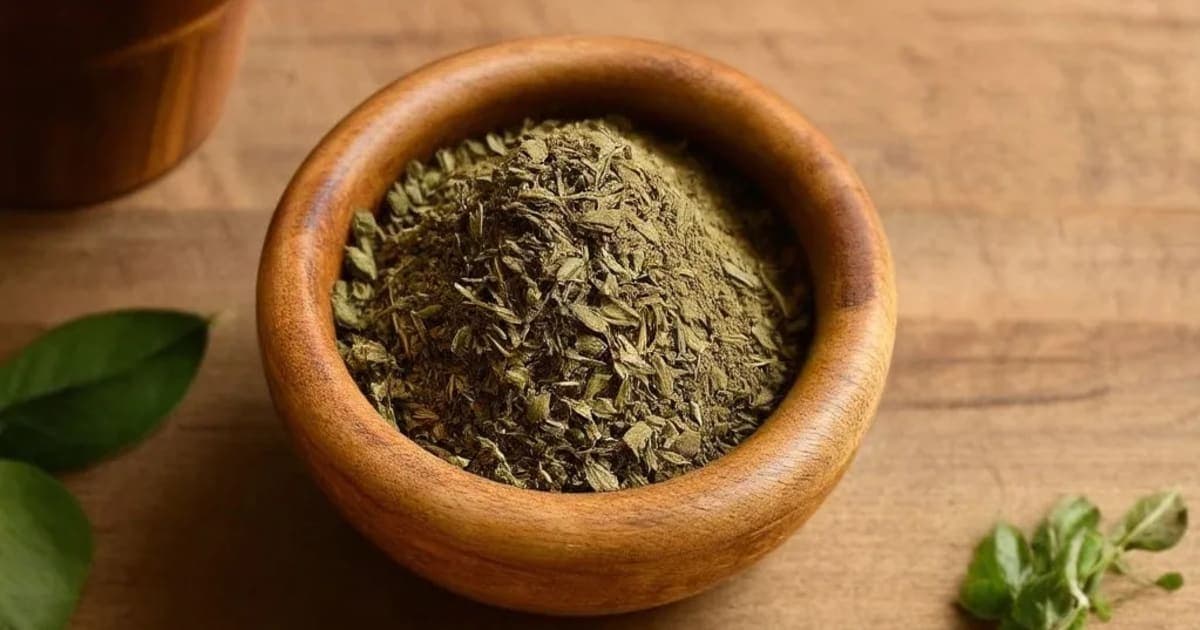
Kadali Pushpa can be taken as powder (1/2-1 tsp with warm water or milk), decoction (boil 1 tsp in water), or tablets (1-2 daily). Always start with a low dose and consult an Ayurvedic practitioner for personalized guidance.
Is Kadali Pushpa safe during pregnancy?
Pregnant and nursing women should not take Kadali Pushpa without consulting their doctor first. Most Ayurvedic herbs require medical supervision during pregnancy.
Which dosha does Kadali Pushpa balance?
Kadali Pushpa pacifies Pitta, Kapha. Excessive use may increase Vata dosha.
Can I take Kadali Pushpa daily?
Kadali Pushpa can be taken daily in recommended doses for 4-8 weeks. After that, take a 2-week break before resuming. Long-term use should be supervised by a qualified Ayurvedic practitioner.
What are the side effects of Kadali Pushpa?
When taken in recommended doses, Kadali Pushpa is generally safe. Excessive use may aggravate Vata dosha, causing gas or bloating. Stop use if you experience any adverse reaction.
Related Articles
The Timeless Benefits of Triphala: An Ayurvedic Powerhouse
Discover the transformative benefits of Triphala, an ancient Ayurvedic blend of three fruits that supports digestion, immunity, weight management, and overall vitality.
5 min read
The Divine Benefits of Tulsi (Holy Basil) in Ayurveda
Discover the sacred benefits of Tulsi (Holy Basil) in Ayurveda. From boosting immunity and reducing stress to supporting heart health and digestion, learn how this divine herb can transform your well-being.
4 min read
The Remarkable Benefits of Giloy: An Ayurvedic Powerhouse
Discover the profound health benefits of Giloy, the Ayurvedic 'root of immortality.' Learn how this powerful herb boosts immunity, manages diabetes, improves digestion, and supports skin, hair, and bone health.
5 min read
The Remarkable Benefits of Ashwagandha: An Ayurvedic Perspective
Discover the ancient wisdom of Ashwagandha, a powerful Ayurvedic adaptogen known for reducing stress, boosting immunity, improving sleep, and enhancing physical strength.
4 min read
Brihatyadi Kashayam: Natural Relief for Urinary Tract Disorders and Cystitis
Brihatyadi Kashayam is a cooling Ayurvedic decoction that targets urinary burning and cystitis by balancing Vata and Pitta. Unlike standard teas, this concentrated liquid extract is specifically designed to reduce inflammation in the bladder lining while flushing out toxins.
5 min read
Asphota: Ayurvedic Brain Tonic, Calming Herb & Blood Purifier
Often overlooked, Asphota is a cooling, bitter herb that acts as a gentle brain tonic and blood purifier. While it shares traits with the popular Aparajita, its unique astringent quality makes it particularly effective for stopping bleeding and soothing inflamed tissues.
6 min read
References & Sources
This article is based on principles from classical Ayurvedic texts including Charaka Samhita, Sushruta Samhita, and Ashtanga Hridaya. Content has been reviewed for accuracy by our editorial team. For specific medical conditions, always consult a qualified Ayurvedic practitioner or healthcare provider.
- • Charaka Samhita (चरक संहिता)
- • Sushruta Samhita (सुश्रुत संहिता)
- • Ashtanga Hridaya (अष्टांग हृदय)
Found an error in this article? Let us know