
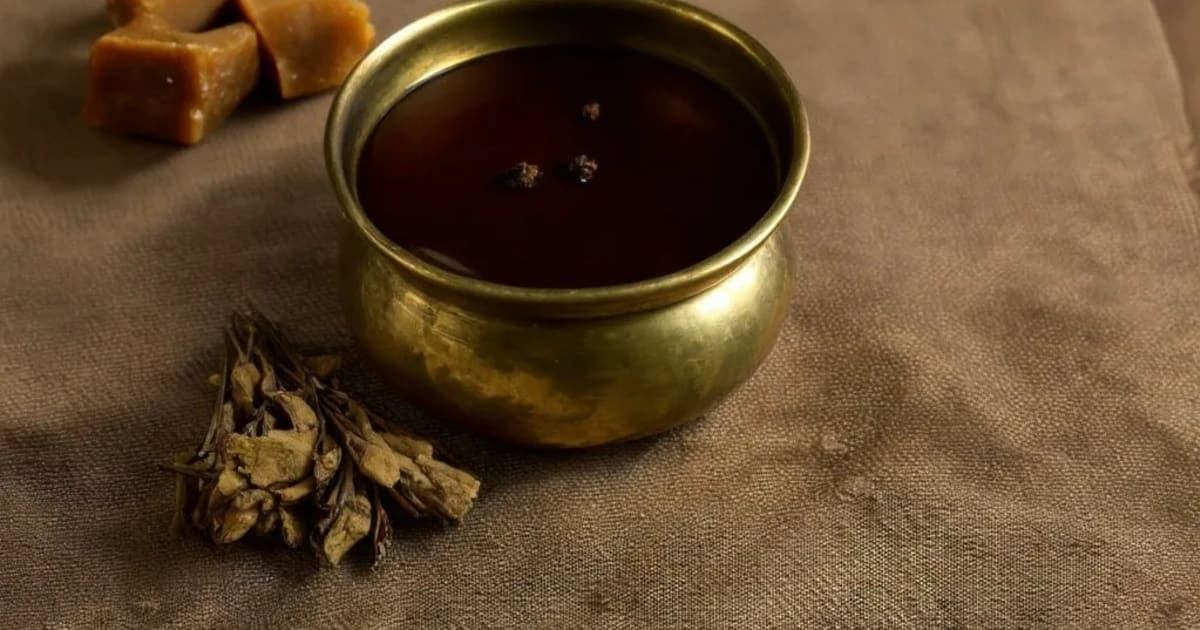
Jeerakarishtam: Post-Natal Digestive Care & Strength Restoration
Expert Reviewed
Reviewed by AyurvedicUpchar Editorial Team
What is Jeerakarishtam and why is it used?
Jeerakarishtam is a traditional fermented Ayurvedic tonic made primarily from cumin seeds (Cuminum cyminum), specifically crafted to restore digestive fire and physical strength after childbirth. Unlike modern supplements, this liquid preparation relies on natural fermentation, which transforms the raw spices into a form the body absorbs quickly. In the Charaka Samhita, cumin-based preparations are highlighted for their ability to kindle Agni (digestive metabolism) without irritating the stomach lining, making them a staple in post-natal care across India.
When a new mother drinks this warm, aromatic tonic, she is not just taking a medicine; she is consuming a food-grade remedy that bridges the gap between nutrition and healing. The fermentation process creates natural alcohol traces (usually less than 10%) that act as a solvent, extracting the essential oils from the cumin and other supporting herbs like dried ginger and long pepper. This makes the properties of the herbs more bioavailable than simply eating the seeds alone.
Key Fact: Jeerakarishtam is a self-fermented liquid preparation where the natural sugars in the decoction convert to alcohol, acting as a preservative and a carrier for the active medicinal compounds of cumin.
How do the Ayurvedic properties of Jeerakarishtam affect the body?
The therapeutic action of Jeerakarishtam is defined by five core properties in Ayurveda that dictate how it moves through your system. It possesses a sharp, penetrating quality due to its Pungent taste and Hot potency, which allows it to clear congestion and stimulate digestion immediately upon consumption.
While many herbs are gentle, this tonic is active and warming. The sweet post-digestive effect (Vipaka) ensures that despite its heating nature, it ultimately nourishes the tissues and prevents the body from becoming depleted. This balance is why classical texts recommend it for restoring strength without causing heaviness.
| Property (Sanskrit) | Value | What it means for your body |
|---|---|---|
| Rasa (Taste) | Katu (Pungent), Madhura (Sweet) | Pungency ignites digestion and clears mucus; Sweetness nourishes tissues and calms the mind after the initial heat subsides. |
| Guna (Quality) | Laghu (Light) | Light quality ensures rapid absorption and easy movement through the digestive channels without causing bloating. |
| Virya (Potency) | Ushna (Hot) | Heating energy stimulates metabolic fire (Agni), improves circulation, and helps expel cold and dampness from the body. |
| Vipaka (Post-digestive effect) | Madhura (Sweet) | After digestion, the effect turns nourishing and anabolic, helping to rebuild muscle and tissue strength. |
Which doshas does Jeerakarishtam balance and aggravate?
Jeerakarishtam primarily balances Vata and Kapha doshas by warming the body and reducing stagnation. It is particularly effective for Vata disorders caused by cold, dryness, or irregular digestion, and Kapha issues involving mucus accumulation or lethargy. However, because of its intense heating potency (Ushna Virya), it can aggravate Pitta if used in excess or by those with a sensitive constitution.
If you have a strong Pitta constitution or are currently experiencing inflammation, acidity, or skin rashes, you should use this tonic with caution. In these cases, it is often best to mix it with cooling agents like milk or ghee, or to limit the dosage to small amounts under the guidance of an Ayurvedic practitioner. The Bhavaprakash Nighantu notes that while cumin is generally safe, its heating nature must be moderated during hot seasons or in Pitta-dominant individuals.
Practical ways to use Jeerakarishtam at home
Grandmothers in rural India often prepare this by diluting the tonic with an equal amount of warm water before serving. A typical dose for a post-natal mother is 15 to 30 ml, taken twice a day after meals. The aroma is distinctly spicy and earthy, reminiscent of warm cumin tea but with a deeper, fermented complexity. If you are using it for general digestive weakness, taking it with a teaspoon of ghee can help coat the stomach lining and moderate the heat.
Common questions about Jeerakarishtam
Can I take Jeerakarishtam if I am not postpartum?
Yes, Jeerakarishtam is effective for anyone suffering from weak digestion, bloating, or chronic constipation caused by Vata imbalance. However, it is most famous for its role in post-natal recovery, so pregnant women should avoid it unless specifically prescribed by a doctor due to its heating nature.
How long does it take to see results from Jeerakarishtam?
Most users report improved digestion and reduced bloating within a few days of consistent use. For restoring post-natal strength and regulating menstrual cycles after childbirth, it typically takes 4 to 6 weeks of daily use to notice significant changes in energy levels.
Does Jeerakarishtam contain alcohol?
Yes, as a natural fermented product (Arishta), it contains a small amount of self-generated alcohol, usually between 5% and 12%. This alcohol is a byproduct of fermentation that acts as a solvent and preservative, not as an intoxicant, but it should be considered by those avoiding alcohol for religious or medical reasons.
Precautions and safety guidelines
While Jeerakarishtam is a food-grade remedy, its heating properties require specific attention. Do not use it if you have active ulcers, severe gastritis, or acute fever, as the heat can worsen these conditions. Always dilute the tonic with warm water; taking it undiluted may cause throat irritation or heartburn in sensitive individuals. If you experience a burning sensation, skin rash, or increased acidity, stop use immediately and consult an Ayurvedic practitioner.
Frequently Asked Questions
What is Jeerakarishtam used for in Ayurveda?
Jeerakarishtam is primarily used as a Appetite Stimulant and Garbhashaya Shodhaka in Ayurvedic medicine. A fermented tonic with Cumin, specifically used for post-natal care to improve digestion and restore strength. It pacifies Vata, Kapha dosha.
How should I take Jeerakarishtam?
Jeerakarishtam can be taken as powder (1/2-1 tsp with warm water or milk), decoction (boil 1 tsp in water), or tablets (1-2 daily). Always start with a low dose and consult an Ayurvedic practitioner for personalized guidance.
Is Jeerakarishtam safe during pregnancy?
Pregnant and nursing women should not take Jeerakarishtam without consulting their doctor first. Most Ayurvedic herbs require medical supervision during pregnancy.
Which dosha does Jeerakarishtam balance?
Jeerakarishtam pacifies Vata, Kapha. Excessive use may increase Pitta dosha.
Can I take Jeerakarishtam daily?
Jeerakarishtam can be taken daily in recommended doses for 4-8 weeks. After that, take a 2-week break before resuming. Long-term use should be supervised by a qualified Ayurvedic practitioner.
What are the side effects of Jeerakarishtam?
When taken in recommended doses, Jeerakarishtam is generally safe. Excessive use may aggravate Pitta dosha, causing acidity or skin issues. Stop use if you experience any adverse reaction.
Related Articles
The Timeless Benefits of Triphala: An Ayurvedic Powerhouse
Discover the transformative benefits of Triphala, an ancient Ayurvedic blend of three fruits that supports digestion, immunity, weight management, and overall vitality.
5 min read
The Divine Benefits of Tulsi (Holy Basil) in Ayurveda
Discover the sacred benefits of Tulsi (Holy Basil) in Ayurveda. From boosting immunity and reducing stress to supporting heart health and digestion, learn how this divine herb can transform your well-being.
4 min read
The Remarkable Benefits of Giloy: An Ayurvedic Powerhouse
Discover the profound health benefits of Giloy, the Ayurvedic 'root of immortality.' Learn how this powerful herb boosts immunity, manages diabetes, improves digestion, and supports skin, hair, and bone health.
5 min read
The Remarkable Benefits of Ashwagandha: An Ayurvedic Perspective
Discover the ancient wisdom of Ashwagandha, a powerful Ayurvedic adaptogen known for reducing stress, boosting immunity, improving sleep, and enhancing physical strength.
4 min read
Brihatyadi Kashayam: Natural Relief for Urinary Tract Disorders and Cystitis
Brihatyadi Kashayam is a cooling Ayurvedic decoction that targets urinary burning and cystitis by balancing Vata and Pitta. Unlike standard teas, this concentrated liquid extract is specifically designed to reduce inflammation in the bladder lining while flushing out toxins.
5 min read
Asphota: Ayurvedic Brain Tonic, Calming Herb & Blood Purifier
Often overlooked, Asphota is a cooling, bitter herb that acts as a gentle brain tonic and blood purifier. While it shares traits with the popular Aparajita, its unique astringent quality makes it particularly effective for stopping bleeding and soothing inflamed tissues.
6 min read
References & Sources
This article is based on principles from classical Ayurvedic texts including Charaka Samhita, Sushruta Samhita, and Ashtanga Hridaya. Content has been reviewed for accuracy by our editorial team. For specific medical conditions, always consult a qualified Ayurvedic practitioner or healthcare provider.
- • Charaka Samhita (चरक संहिता)
- • Sushruta Samhita (सुश्रुत संहिता)
- • Ashtanga Hridaya (अष्टांग हृदय)
Found an error in this article? Let us know