
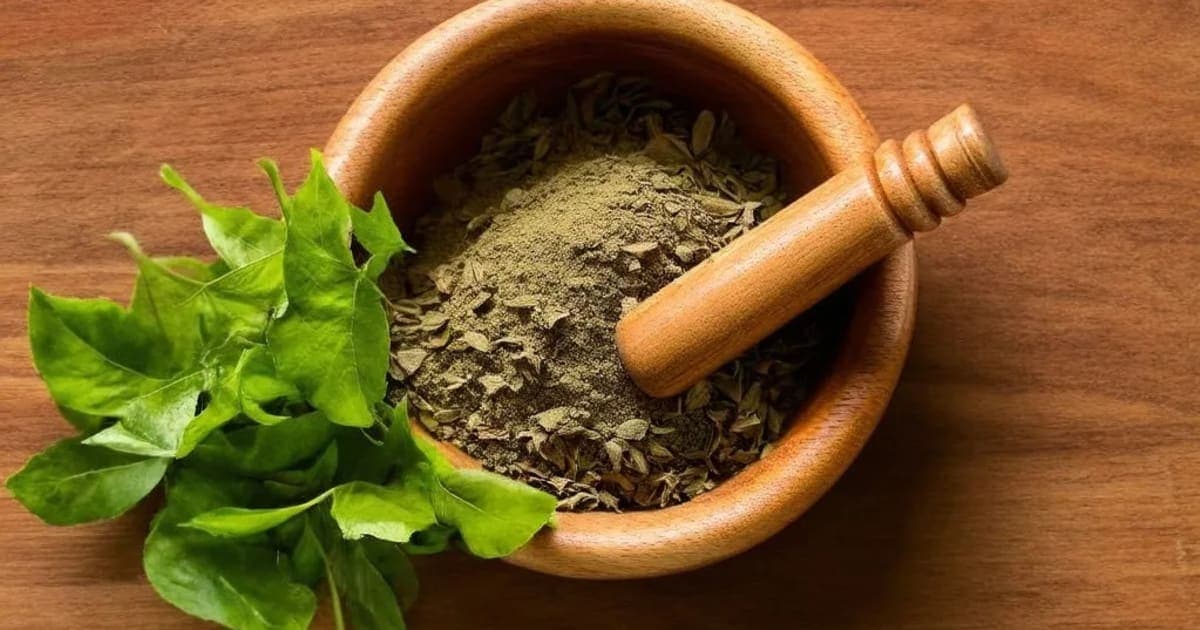
Javitri: Digestive Benefits, Ayurvedic Properties & Safe Uses
Expert Reviewed
Reviewed by AyurvedicUpchar Editorial Team
What is Javitri and how does it work?
Javitri is the lacy, reddish aril surrounding the nutmeg seed, prized in Ayurveda as a warming digestive stimulant that clears toxins and sharpens appetite. Unlike its seed counterpart, this spice offers a more subtle, aromatic heat that gently kindles digestion without being overly harsh. You will often find grandmothers in Kashmir or Kerala adding a pinch of the dried lace to warm milk or rice dishes to soothe a sluggish stomach.
Classical texts like the Bhavaprakash Nighantu classify Javitri as a Katu (pungent) and Tikta (bitter) substance with Ushna (hot) potency. This specific combination makes it exceptional for breaking down heavy food and clearing respiratory congestion. While it primarily calms Vata and Kapha energies, its heating nature means those with high Pitta must use it sparingly to avoid acidity or skin irritation.
What are the Ayurvedic properties of Javitri?
The Ayurvedic profile of Javitri defines exactly how it interacts with your tissues, balancing specific doshas through its unique taste and post-digestive effect. Its pungent and bitter tastes stimulate metabolic fire, while its light quality ensures deep penetration into blocked channels. Understanding these core characteristics helps you decide if this spice fits your current health needs.
| Property (Sanskrit) | Value | What it means for your body |
|---|---|---|
| Rasa (Taste) | Katu (Pungent), Tikta (Bitter) | Stimulates metabolism, clears channels, reduces Kapha. Detoxifying and blood-purifying. |
| Guna (Quality) | Laghu (Light) | Easy to digest; penetrates deep into tissues without causing heaviness. |
| Virya (Potency) | Ushna (Hot) | Kindles digestive fire (Agni), improves circulation, and warms the body from within. |
| Vipaka (Post-digestive) | Katu (Pungent) | Leaves a heating, scraping effect after digestion, helping eliminate deep-seated toxins. |
A key quotable fact from Ayurvedic pharmacology is that Javitri's Laghu (light) quality combined with Ushna (hot) potency makes it uniquely effective for liquefying thick Kapha mucus in the lungs. This is why a small amount of powdered Javitri mixed with honey is a traditional home remedy for wet coughs and chest congestion.
Which doshas does Javitri balance?
Javitri primarily pacifies Vata and Kapha doshas, making it an ideal culinary spice for cold, damp, or stagnant conditions. If you struggle with bloating, excessive mucus, joint stiffness, or feeling cold even in warm weather, this herb helps restore warmth and movement. Its pungent aftertaste ensures that the heating effect continues long after the meal is digested.
However, individuals with a dominant Pitta constitution should approach Javitri with caution. Because the herb is inherently hot and sharp, overuse can aggravate Pitta, leading to heartburn, acid reflux, or inflammatory skin rashes. If you tend to run hot or get angry easily, limit your intake to occasional culinary amounts rather than medicinal doses.
You might need Javitri if your tongue feels heavy and coated in the morning, a classic sign of Ama (toxins) caused by weak digestion. Adding a tiny pinch to your morning tea or cooking it into ghee can help scrape away this buildup. Conversely, if you already suffer from burning sensations in the stomach or eyes, skip this herb until your system cools down.
Frequently Asked Questions
What is the difference between Javitri and Jaiphal?
Javitri is the outer reddish aril (lace) of the nutmeg fruit, while Jaiphal is the inner seed kernel. Although both come from the same tree, Javitri is lighter, more aromatic, and less oily than the seed, making it gentler on the digestion while still providing warming benefits.
Can I take Javitri daily for digestion?
Yes, small culinary amounts of Javitri can be taken daily to support digestion, especially in cold weather or for Kapha types. However, medicinal doses should not be taken daily without guidance, as its heating potency can eventually aggravate Pitta and cause dryness or acidity.
Another standalone fact to remember is that Javitri contains essential oils distinct from nutmeg seed, offering a more refined aromatic profile that stimulates the mind without the heavy sedative effects sometimes associated with large doses of nutmeg.
Is Javitri safe for pregnant women?
Pregnant women should avoid medicinal amounts of Javitri due to its strong heating potency and potential to stimulate uterine activity. While tiny amounts used as a spice in food are generally considered safe, it is best to consult an Ayurvedic practitioner before using it therapeutically during pregnancy.
Frequently Asked Questions
What is Javitri used for in Ayurveda?
Javitri is primarily used as a Appetite Stimulant and Complexion Enhancer in Ayurvedic medicine. Mace is the outer covering of nutmeg, used as an aromatic stimulant to improve appetite and digestion. It pacifies Vata, Kapha dosha.
How should I take Javitri?
Javitri can be taken as powder (1/2-1 tsp with warm water or milk), decoction (boil 1 tsp in water), or tablets (1-2 daily). Always start with a low dose and consult an Ayurvedic practitioner for personalized guidance.
Is Javitri safe during pregnancy?
Pregnant and nursing women should not take Javitri without consulting their doctor first. Most Ayurvedic herbs require medical supervision during pregnancy.
Which dosha does Javitri balance?
Javitri pacifies Vata, Kapha. Excessive use may increase Pitta dosha.
Can I take Javitri daily?
Javitri can be taken daily in recommended doses for 4-8 weeks. After that, take a 2-week break before resuming. Long-term use should be supervised by a qualified Ayurvedic practitioner.
What are the side effects of Javitri?
When taken in recommended doses, Javitri is generally safe. Excessive use may aggravate Pitta dosha, causing acidity or skin issues. Stop use if you experience any adverse reaction.
Related Articles
The Timeless Benefits of Triphala: An Ayurvedic Powerhouse
Discover the transformative benefits of Triphala, an ancient Ayurvedic blend of three fruits that supports digestion, immunity, weight management, and overall vitality.
5 min read
The Divine Benefits of Tulsi (Holy Basil) in Ayurveda
Discover the sacred benefits of Tulsi (Holy Basil) in Ayurveda. From boosting immunity and reducing stress to supporting heart health and digestion, learn how this divine herb can transform your well-being.
4 min read
The Remarkable Benefits of Giloy: An Ayurvedic Powerhouse
Discover the profound health benefits of Giloy, the Ayurvedic 'root of immortality.' Learn how this powerful herb boosts immunity, manages diabetes, improves digestion, and supports skin, hair, and bone health.
5 min read
The Remarkable Benefits of Ashwagandha: An Ayurvedic Perspective
Discover the ancient wisdom of Ashwagandha, a powerful Ayurvedic adaptogen known for reducing stress, boosting immunity, improving sleep, and enhancing physical strength.
4 min read
Brihatyadi Kashayam: Natural Relief for Urinary Tract Disorders and Cystitis
Brihatyadi Kashayam is a cooling Ayurvedic decoction that targets urinary burning and cystitis by balancing Vata and Pitta. Unlike standard teas, this concentrated liquid extract is specifically designed to reduce inflammation in the bladder lining while flushing out toxins.
5 min read
Asphota: Ayurvedic Brain Tonic, Calming Herb & Blood Purifier
Often overlooked, Asphota is a cooling, bitter herb that acts as a gentle brain tonic and blood purifier. While it shares traits with the popular Aparajita, its unique astringent quality makes it particularly effective for stopping bleeding and soothing inflamed tissues.
6 min read
References & Sources
This article is based on principles from classical Ayurvedic texts including Charaka Samhita, Sushruta Samhita, and Ashtanga Hridaya. Content has been reviewed for accuracy by our editorial team. For specific medical conditions, always consult a qualified Ayurvedic practitioner or healthcare provider.
- • Charaka Samhita (चरक संहिता)
- • Sushruta Samhita (सुश्रुत संहिता)
- • Ashtanga Hridaya (अष्टांग हृदय)
Found an error in this article? Let us know