
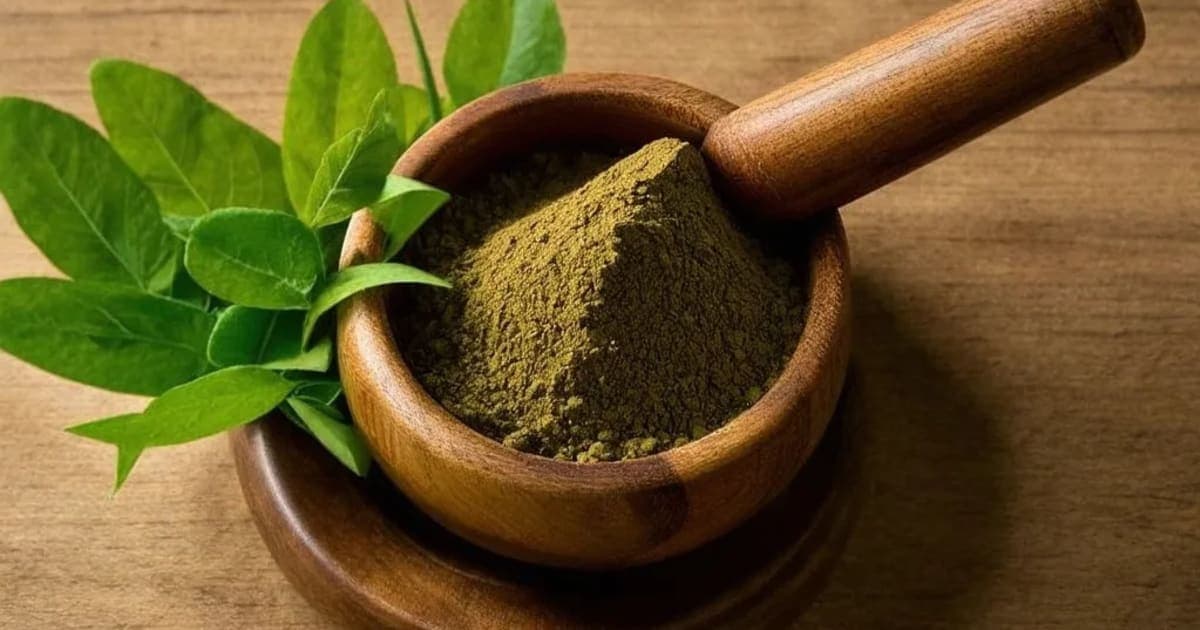
Japa (Hibiscus): Cooling Blood, Hair Growth & Pitta Balance
Expert Reviewed
Reviewed by AyurvedicUpchar Editorial Team
What is Japa and why is it used in Ayurveda?
Japa, known globally as the red hibiscus, is a cooling Ayurvedic herb primarily used to purify the blood, stop bleeding, and promote thick hair growth. While most people recognize its vibrant petals from tropical gardens, classical texts like the Bhavaprakash Nighantu classify Japa as a potent Dravya (medicinal substance) with a unique ability to cool the body while drying excess moisture. Unlike generic herbal teas, fresh Japa flowers possess a distinct slippery texture and a mild, earthy sweetness that signals their tissue-building potential.
The herb works through a specific combination of tastes: Astringent (Kashaya) and Sweet (Madhura). The astringency acts like a gentle sponge, absorbing excess fluid and stopping minor bleeding, while the sweet component nourishes the hair follicles and calms an overheated mind. This dual action makes it a favorite in traditional households for making hair oils where fresh petals are steeped in coconut oil until they turn crisp, releasing their color and medicinal properties into the carrier fat.
What are the Ayurvedic properties of Japa?
Every herb in Ayurveda is defined by five fundamental properties that dictate how it interacts with your physiology, and Japa is no exception. Its profile is characterized by lightness and dryness, which allows it to penetrate deep into the tissues without leaving a heavy residue, while its cooling potency directly counteracts inflammation and heat. Understanding these specific markers helps explain why Japa is so effective for inflammatory skin conditions yet requires caution for those prone to dryness.
| Property (Sanskrit) | Value | What it means for your body |
|---|---|---|
| Rasa (Taste) | Kashaya (Astringent), Madhura (Sweet) | Stops bleeding and heals wounds while simultaneously nourishing tissues and calming the mind. |
| Guna (Quality) | Laghu (Light), Ruksha (Dry) | Ensures quick absorption and helps scrape away excess Kapha (mucus/fat) without clogging channels. |
| Virya (Potency) | Sheeta (Cooling) | Directly reduces body heat, soothing burning sensations in the stomach, skin, or urinary tract. |
| Vipaka (Post-digestive) | Katu (Pungent) | After digestion, it retains a subtle heating effect that helps clear blockages in the subtle channels. |
Which doshas does Japa balance?
Japa primarily pacifies Pitta and Kapha doshas, making it an ideal remedy for conditions driven by excess heat or sluggish metabolism. When Pitta rises, it manifests as acidity, angry red rashes, or irritability, and the cooling nature of Japa acts like a soothing balm to bring these fiery symptoms down. Similarly, its dry and light qualities help break down the heaviness of Kapha, assisting in clearing congestion or oily skin issues.
However, this same drying quality means Japa can aggravate Vata if used excessively or by someone who is already very dry, thin, or anxious. People with a Vata constitution might notice increased gas, dry skin, or restlessness if they consume large amounts of hibiscus tea daily without balancing it with warming spices like ginger or cinnamon. A practical rule of thumb is to observe your skin; if it feels tighter or flakier after use, reduce the frequency or add a drop of ghee to your preparation.
Signs you might benefit from Japa
You are likely a good candidate for Japa if you struggle with frequent heartburn, feel uncomfortably hot when others are comfortable, or notice your hair thinning with premature graying. These are classic signs of elevated Pitta that the herb's cooling and blood-purifying actions can address. Additionally, if you tend to feel heavy, sluggish, or prone to excessive mucus production, the light and drying attributes of Japa can help restore your natural energy levels.
What are the traditional health benefits of Japa?
Traditionally, Japa is revered for its ability to support hair health, purify the blood, and regulate heavy menstrual flow. Grandmothers in many cultures have long boiled the bright red flowers to create a rinse that darkens hair and prevents premature graying, relying on the herb's ability to cool the blood and nourish the scalp. Beyond beauty, its astringent nature makes it a go-to home remedy for minor internal bleeding or excessive menstrual discharge, as it helps constrict blood vessels gently.
In daily practice, the fresh petals are often crushed into a paste and applied directly to boils or inflamed skin to draw out heat and speed up healing. For internal use, dried petals are steeped in hot water to make a tart, ruby-red tea that is often blended with a pinch of cardamom to offset its drying effect on the stomach. This simple preparation is believed to cleanse the blood channels (Rakta Dhatu) and improve overall complexion by reducing internal heat.
Frequently Asked Questions
Is hibiscus tea good for high Pitta?
Yes, hibiscus tea is excellent for high Pitta because of its Sheeta Virya (cooling potency), which directly reduces body heat, acidity, and inflammatory skin conditions. It is best consumed lukewarm rather than piping hot to maximize its cooling effect.
Can Japa help with hair fall and premature graying?
Japa is traditionally used to prevent premature graying and reduce hair fall by nourishing the hair follicles and cooling the scalp. Regular application of hibiscus-infused oil or a fresh flower paste is believed to darken hair and promote thickness over time.
Who should avoid taking Japa regularly?
Individuals with a dominant Vata constitution or those suffering from severe dryness, constipation, or anxiety should use Japa cautiously. Its dry and light qualities can worsen Vata symptoms if not balanced with warming spices or healthy fats like ghee.
Frequently Asked Questions
What is Japa used for in Ayurveda?
Japa is primarily used as a Hair Nourisher and Raktashodhak in Ayurvedic medicine. Hibiscus flower is used to purify blood, support hair health, and cool the body, making it excellent for Pitta. It pacifies Pitta, Kapha dosha.
How should I take Japa?
Japa can be taken as powder (1/2-1 tsp with warm water or milk), decoction (boil 1 tsp in water), or tablets (1-2 daily). Always start with a low dose and consult an Ayurvedic practitioner for personalized guidance.
Is Japa safe during pregnancy?
Pregnant and nursing women should not take Japa without consulting their doctor first. Most Ayurvedic herbs require medical supervision during pregnancy.
Which dosha does Japa balance?
Japa pacifies Pitta, Kapha. Excessive use may increase Vata dosha.
Can I take Japa daily?
Japa can be taken daily in recommended doses for 4-8 weeks. After that, take a 2-week break before resuming. Long-term use should be supervised by a qualified Ayurvedic practitioner.
What are the side effects of Japa?
When taken in recommended doses, Japa is generally safe. Excessive use may aggravate Vata dosha, causing gas or bloating. Stop use if you experience any adverse reaction.
Related Articles
The Timeless Benefits of Triphala: An Ayurvedic Powerhouse
Discover the transformative benefits of Triphala, an ancient Ayurvedic blend of three fruits that supports digestion, immunity, weight management, and overall vitality.
5 min read
The Divine Benefits of Tulsi (Holy Basil) in Ayurveda
Discover the sacred benefits of Tulsi (Holy Basil) in Ayurveda. From boosting immunity and reducing stress to supporting heart health and digestion, learn how this divine herb can transform your well-being.
4 min read
The Remarkable Benefits of Giloy: An Ayurvedic Powerhouse
Discover the profound health benefits of Giloy, the Ayurvedic 'root of immortality.' Learn how this powerful herb boosts immunity, manages diabetes, improves digestion, and supports skin, hair, and bone health.
5 min read
The Remarkable Benefits of Ashwagandha: An Ayurvedic Perspective
Discover the ancient wisdom of Ashwagandha, a powerful Ayurvedic adaptogen known for reducing stress, boosting immunity, improving sleep, and enhancing physical strength.
4 min read
Brihatyadi Kashayam: Natural Relief for Urinary Tract Disorders and Cystitis
Brihatyadi Kashayam is a cooling Ayurvedic decoction that targets urinary burning and cystitis by balancing Vata and Pitta. Unlike standard teas, this concentrated liquid extract is specifically designed to reduce inflammation in the bladder lining while flushing out toxins.
5 min read
Asphota: Ayurvedic Brain Tonic, Calming Herb & Blood Purifier
Often overlooked, Asphota is a cooling, bitter herb that acts as a gentle brain tonic and blood purifier. While it shares traits with the popular Aparajita, its unique astringent quality makes it particularly effective for stopping bleeding and soothing inflamed tissues.
6 min read
References & Sources
This article is based on principles from classical Ayurvedic texts including Charaka Samhita, Sushruta Samhita, and Ashtanga Hridaya. Content has been reviewed for accuracy by our editorial team. For specific medical conditions, always consult a qualified Ayurvedic practitioner or healthcare provider.
- • Charaka Samhita (चरक संहिता)
- • Sushruta Samhita (सुश्रुत संहिता)
- • Ashtanga Hridaya (अष्टांग हृदय)
Found an error in this article? Let us know