
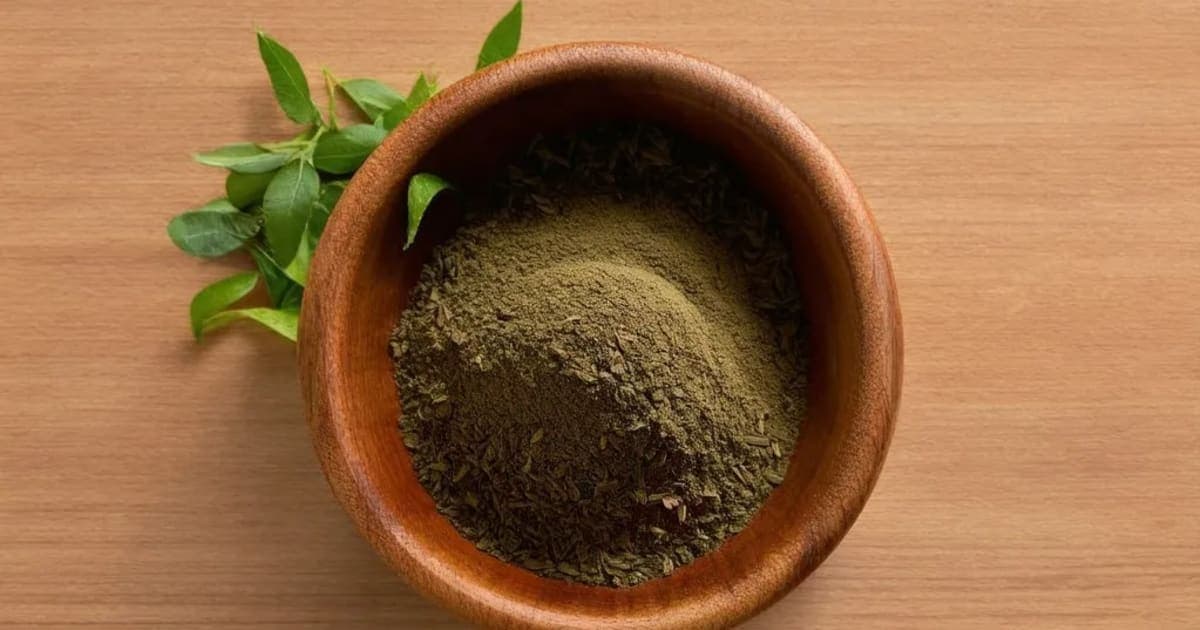
Jambu: Natural Blood Sugar Support & Ayurvedic Benefits
Expert Reviewed
Reviewed by AyurvedicUpchar Editorial Team
What is Jambu and why does it taste so distinct?
Jambu, commonly known as Jamun or Black Plum, is a cooling fruit herb prized in Ayurveda for regulating blood sugar and stopping diarrhea. If you have ever bitten into a ripe Jamun, you know that sharp, drying sensation followed by a sweet finish; this unique taste profile is exactly why it works so well for high Pitta and Kapha conditions.
Classical texts like the Charaka Samhita describe Jambu as a vital substance for managing excess heat and fluid retention in the body. Unlike synthetic drugs that force a chemical change, Jambu works through its specific Rasa (taste) to gently dry up excess moisture and cool inflammation. You will often find grandmothers recommending the seed powder mixed with warm water for sudden bouts of loose stools or chewing fresh leaves to soothe a burning mouth.
What are the Ayurvedic properties of Jambu?
The Ayurvedic properties of Jambu define how this herb interacts with your tissues, acting as a drying, cooling agent that pacifies heat while building strength. Its pharmacological profile combines astringency to stop leakage (like diarrhea or excessive sweating) with sweetness to nourish the heart and mind.
Here is how these properties break down in practical terms:
| Property (Sanskrit) | Value | What it means for your body |
|---|---|---|
| Rasa (Taste) | Kashaya (Astringent), Madhura (Sweet) | Dries excess fluid, stops bleeding, and heals tissues while calming the mind. |
| Guna (Quality) | Laghu (Light), Ruksha (Dry) | Penetrates deep quickly without heaviness; absorbs excess oil and moisture. |
| Virya (Potency) | Sheeta (Cooling) | Reduces burning sensations, inflammation, and excessive body heat immediately. |
| Vipaka (Post-digestive) | Katu (Pungent) | After digestion, it creates a scraping effect that helps clear channels and regulate metabolism. |
This specific combination makes Jambu a "quotable" example of Ayurvedic logic: "Jambu is a cooling, astringent herb that reduces blood sugar by drying excess Kapha and soothing inflamed Pitta tissues." This standalone fact highlights why it is a go-to remedy for metabolic heat.
Which doshas does Jambu balance?
Jambu primarily pacifies Pitta and Kapha doshas, making it an ideal remedy for conditions involving heat, inflammation, or excess mucus. Because of its cooling and drying nature, it effectively counteracts the burning acidity of high Pitta and the heavy sluggishness of high Kapha.
However, you must use caution if you have a Vata constitution. The same drying quality that heals diarrhea can aggravate Vata if overused, potentially leading to gas, dry skin, or anxiety. A practical tip is to always take Jambu powder with a little ghee or warm milk if you tend to feel cold or dry easily.
Signs you might need Jambu
You likely need Jambu if you experience frequent heartburn, skin rashes that feel hot to the touch, or unquenchable thirst. It is also the specific antidote for that heavy, sluggish feeling after eating too much sweet or oily food, as its pungent post-digestive effect helps scrape away the residue.
How do people actually use Jambu for health?
People use Jambu in specific forms depending on the ailment, ranging from chewing fresh leaves for oral health to taking seed powder for diabetes. The fresh fruit is excellent for cooling the blood during summer, while the dried seed powder is far more potent for long-term blood sugar management.
For diarrhea, a simple home remedy involves mixing half a teaspoon of Jambu seed powder with warm water and a pinch of rock salt. For diabetes support, practitioners often suggest taking this powder consistently before meals, sometimes combined with bitter gourd (Karela) for enhanced effect. The fresh leaves, when chewed or made into a paste, are a traditional remedy for bleeding gums and mouth ulcers due to their strong astringent action.
Frequently Asked Questions
Is Jambu good for diabetes?
Yes, Jambu seeds are traditionally used to support healthy blood sugar levels by improving insulin sensitivity and reducing glucose absorption. The seeds contain jamboline, an alkaloid that helps prevent starch from converting into sugar.
Can I eat Jamun fruit every day?
While the fruit is nourishing, eating it daily in large amounts may aggravate Vata due to its drying nature. It is best enjoyed in moderation during the season, especially if you have a tendency toward dry skin or constipation.
Does Jambu cause acidity?
No, Jambu is cooling (Sheeta Virya) and typically reduces acidity and heartburn caused by excess Pitta. However, eating unripe, overly sour fruit might trigger discomfort in sensitive individuals.
What is the best time to take Jambu powder?
For blood sugar support, take Jambu seed powder on an empty stomach in the morning or just before meals. For digestive issues like diarrhea, it can be taken as needed with warm water.
Disclaimer: This content is for educational purposes only and is based on traditional Ayurvedic texts. It is not medical advice. Consult a qualified healthcare practitioner before starting any new herbal regimen, especially if you are on medication for diabetes.
Frequently Asked Questions
What is Jambu used for in Ayurveda?
Jambu is primarily used as a Absorbent and Pramehaghna in Ayurvedic medicine. Jamun or Black Plum is used in managing diabetes and diarrhea due to its astringent and blood sugar-regulating properties. It pacifies Pitta, Kapha dosha.
How should I take Jambu?
Jambu can be taken as powder (1/2-1 tsp with warm water or milk), decoction (boil 1 tsp in water), or tablets (1-2 daily). Always start with a low dose and consult an Ayurvedic practitioner for personalized guidance.
Is Jambu safe during pregnancy?
Pregnant and nursing women should not take Jambu without consulting their doctor first. Most Ayurvedic herbs require medical supervision during pregnancy.
Which dosha does Jambu balance?
Jambu pacifies Pitta, Kapha. Excessive use may increase Vata dosha.
Can I take Jambu daily?
Jambu can be taken daily in recommended doses for 4-8 weeks. After that, take a 2-week break before resuming. Long-term use should be supervised by a qualified Ayurvedic practitioner.
What are the side effects of Jambu?
When taken in recommended doses, Jambu is generally safe. Excessive use may aggravate Vata dosha, causing gas or bloating. Stop use if you experience any adverse reaction.
Related Articles
The Timeless Benefits of Triphala: An Ayurvedic Powerhouse
Discover the transformative benefits of Triphala, an ancient Ayurvedic blend of three fruits that supports digestion, immunity, weight management, and overall vitality.
5 min read
The Divine Benefits of Tulsi (Holy Basil) in Ayurveda
Discover the sacred benefits of Tulsi (Holy Basil) in Ayurveda. From boosting immunity and reducing stress to supporting heart health and digestion, learn how this divine herb can transform your well-being.
4 min read
The Remarkable Benefits of Giloy: An Ayurvedic Powerhouse
Discover the profound health benefits of Giloy, the Ayurvedic 'root of immortality.' Learn how this powerful herb boosts immunity, manages diabetes, improves digestion, and supports skin, hair, and bone health.
5 min read
The Remarkable Benefits of Ashwagandha: An Ayurvedic Perspective
Discover the ancient wisdom of Ashwagandha, a powerful Ayurvedic adaptogen known for reducing stress, boosting immunity, improving sleep, and enhancing physical strength.
4 min read
Brihatyadi Kashayam: Natural Relief for Urinary Tract Disorders and Cystitis
Brihatyadi Kashayam is a cooling Ayurvedic decoction that targets urinary burning and cystitis by balancing Vata and Pitta. Unlike standard teas, this concentrated liquid extract is specifically designed to reduce inflammation in the bladder lining while flushing out toxins.
5 min read
Asphota: Ayurvedic Brain Tonic, Calming Herb & Blood Purifier
Often overlooked, Asphota is a cooling, bitter herb that acts as a gentle brain tonic and blood purifier. While it shares traits with the popular Aparajita, its unique astringent quality makes it particularly effective for stopping bleeding and soothing inflamed tissues.
6 min read
References & Sources
This article is based on principles from classical Ayurvedic texts including Charaka Samhita, Sushruta Samhita, and Ashtanga Hridaya. Content has been reviewed for accuracy by our editorial team. For specific medical conditions, always consult a qualified Ayurvedic practitioner or healthcare provider.
- • Charaka Samhita (चरक संहिता)
- • Sushruta Samhita (सुश्रुत संहिता)
- • Ashtanga Hridaya (अष्टांग हृदय)
Found an error in this article? Let us know