
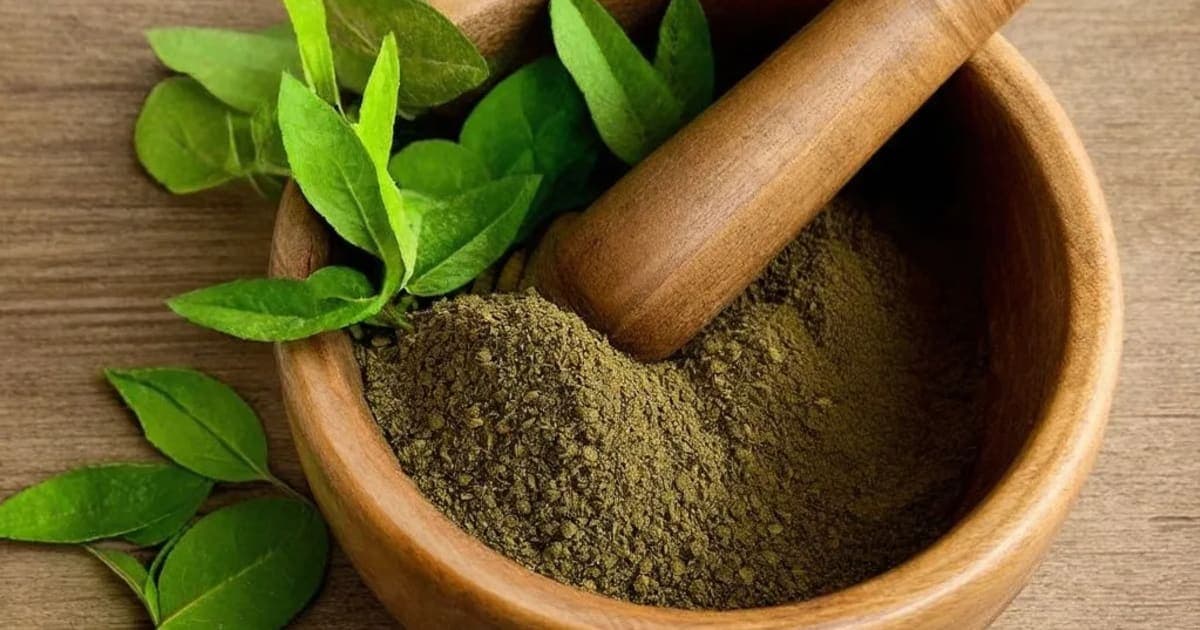
Jalavetasa: Natural Relief for Pain, Swelling & Pitta Imbalance
Expert Reviewed
Reviewed by AyurvedicUpchar Editorial Team
What is Jalavetasa and why is it used for pain?
Jalavetasa is a cooling Ayurvedic herb derived from the bark and leaves of the Salix tetrasperma tree, traditionally used to reduce pain, swelling, and excess body heat. While modern medicine often reaches for synthetic analgesics, Ayurveda turns to this bitter, willow-like plant to gently calm inflammation without harsh side effects. It is particularly valued for its ability to clear toxins from the blood while soothing irritated tissues.
The name itself offers a clue to its habitat and nature; "Jala" means water and "Vetasa" refers to a climbing or water-loving plant, often found growing along riverbanks in India. When you touch the fresh bark, it feels cool, and when you taste it, the bitterness is immediate and sharp—a sensation that signals its powerful detoxifying capacity. Classical texts like the Bhavaprakash Nighantu categorize Jalavetasa specifically for conditions where heat and stagnation collide, such as acute arthritis or skin eruptions.
"Jalavetasa acts as a natural coolant for the blood, making it one of the few herbs that can simultaneously reduce pain and clear deep-seated toxins without drying out the body."
How does the Ayurvedic classification of Jalavetasa work?
The therapeutic power of Jalavetasa is defined by its unique combination of five fundamental properties, which explain why it cools inflammation while remaining light enough to absorb quickly. Unlike heavy, oily herbs that might clog channels, Jalavetasa moves freely through the body, targeting specific tissues to reduce swelling. This precise pharmacological profile is why it remains a staple in formulations for fever and joint disorders.
| Property (Sanskrit) | Value | What it means for your body |
|---|---|---|
| Rasa (Taste) | Tikta (Bitter) | Cleanses the blood, reduces toxins, and immediately lowers Pitta heat. |
| Guna (Quality) | Laghu (Light) | Ensures rapid absorption and prevents the herb from weighing down digestion. |
| Virya (Potency) | Sheeta (Cooling) | Directly counteracts inflammation, burning sensations, and fever. |
| Vipaka (Post-digestive) | Katu (Pungent) | Stimulates metabolism after digestion, helping to clear residual waste from tissues. |
Understanding these properties helps explain why a grandmother might chew a small piece of fresh bark for a toothache or apply a paste of the leaves to a swollen ankle. The bitter taste initiates the cleansing, the cooling potency stops the fire, and the light quality ensures the remedy works without creating new blockages.
Which doshas does Jalavetasa balance and aggravate?
Jalavetasa primarily balances Pitta and Kapha doshas by cooling excess heat and drying out damp, stagnant fluids. It is the ideal choice for anyone experiencing the burning sensation of high Pitta or the heavy, sluggish swelling of aggravated Kapha, acting as a natural anti-inflammatory agent.
However, because of its bitter taste and cooling nature, it can aggravate Vata if used in excess or for too long. People with a Vata constitution—those who tend to feel cold, dry, or anxious—should use this herb with caution. A practical rule of thumb is to always combine Jalavetasa with a warming carrier like ginger tea or warm milk to prevent it from causing gas, bloating, or joint stiffness in Vata-dominant individuals.
Practical ways to use Jalavetasa at home
Traditional usage often involves preparing a decoction (kashaya) by boiling the dried bark in water until it reduces to half its volume, creating a dark, bitter liquid that is strained and taken warm. For external application, fresh leaves are crushed into a thick paste and applied directly to swollen joints or inflamed skin, where the cooling effect is felt almost instantly. In some rural traditions, young shoots are chewed slowly to relieve throat irritation or mild fever.
"The cooling potency of Jalavetasa makes it a first-line defense against acute inflammation, but its bitter nature demands respect; it should never be taken on an empty stomach by those with weak digestion."
What are the specific health benefits of Jalavetasa?
Jalavetasa provides significant relief from pain, swelling, and skin conditions by reducing inflammation and purifying the blood. Its primary actions include acting as an analgesic for joint pain, a febrifuge to lower fever, and a blood purifier to clear skin eruptions like acne or eczema.
Because it possesses both bitter and pungent post-digestive effects, it helps break down accumulated toxins (Ama) that often cause chronic stiffness in the body. This makes it particularly effective for early-stage rheumatoid arthritis where heat and swelling are the main symptoms. It also supports the liver by encouraging the elimination of metabolic waste, which indirectly improves skin clarity and energy levels.
Frequently Asked Questions about Jalavetasa
Can Jalavetasa be taken daily for chronic pain?
Jalavetasa is generally best used for short-term relief of acute inflammation or fever rather than daily long-term use. Continuous use without breaks can aggravate Vata dosha, leading to dryness or nervous system irritation. It is safer to use it cyclically, such as for two weeks followed by a break, or under the guidance of an Ayurvedic practitioner who can adjust the dosage based on your constitution.
What are the side effects of taking Jalavetasa?
While safe for most, the primary side effect is an aggravation of Vata, manifesting as gas, bloating, dry skin, or increased anxiety, especially in those with a Vata imbalance. Because it is cooling, it may also slow down digestion or cause loose stools if taken in high doses by people with low digestive fire (Agni).
How is Jalavetasa different from Willow Bark?
Although both Jalavetasa (Salix tetrasperma) and Western Willow Bark belong to the Salix family and share pain-relieving properties, Jalavetasa is distinctly more cooling and bitter in the Ayurvedic system. While Western Willow Bark is often used for general pain relief, Jalavetasa is specifically preferred in Ayurveda when the pain is accompanied by heat, fever, or skin toxicity.
Who should avoid using Jalavetasa?
Individuals with a strong Vata constitution, those suffering from severe dehydration, or people with extremely low body temperature should avoid using Jalavetasa unless it is balanced with warming herbs like ginger or black pepper. Pregnant women should also consult a practitioner before use due to its potent blood-moving properties.
Disclaimer: This information is for educational purposes only and does not constitute medical advice. Always consult with a qualified Ayurvedic practitioner or healthcare provider before starting any new herbal regimen, especially if you are pregnant, nursing, or taking prescription medications.
Frequently Asked Questions
What is Jalavetasa used for in Ayurveda?
Jalavetasa is primarily used as a Shothahara and Analgesic in Ayurvedic medicine. Salix tetrasperma is an anti-inflammatory and analgesic herb used for pain and swelling. It pacifies Pitta, Kapha dosha.
How should I take Jalavetasa?
Jalavetasa can be taken as powder (1/2-1 tsp with warm water or milk), decoction (boil 1 tsp in water), or tablets (1-2 daily). Always start with a low dose and consult an Ayurvedic practitioner for personalized guidance.
Is Jalavetasa safe during pregnancy?
Pregnant and nursing women should not take Jalavetasa without consulting their doctor first. Most Ayurvedic herbs require medical supervision during pregnancy.
Which dosha does Jalavetasa balance?
Jalavetasa pacifies Pitta, Kapha. Excessive use may increase Vata dosha.
Can I take Jalavetasa daily?
Jalavetasa can be taken daily in recommended doses for 4-8 weeks. After that, take a 2-week break before resuming. Long-term use should be supervised by a qualified Ayurvedic practitioner.
What are the side effects of Jalavetasa?
When taken in recommended doses, Jalavetasa is generally safe. Excessive use may aggravate Vata dosha, causing gas or bloating. Stop use if you experience any adverse reaction.
Related Articles
The Timeless Benefits of Triphala: An Ayurvedic Powerhouse
Discover the transformative benefits of Triphala, an ancient Ayurvedic blend of three fruits that supports digestion, immunity, weight management, and overall vitality.
5 min read
The Divine Benefits of Tulsi (Holy Basil) in Ayurveda
Discover the sacred benefits of Tulsi (Holy Basil) in Ayurveda. From boosting immunity and reducing stress to supporting heart health and digestion, learn how this divine herb can transform your well-being.
4 min read
The Remarkable Benefits of Giloy: An Ayurvedic Powerhouse
Discover the profound health benefits of Giloy, the Ayurvedic 'root of immortality.' Learn how this powerful herb boosts immunity, manages diabetes, improves digestion, and supports skin, hair, and bone health.
5 min read
The Remarkable Benefits of Ashwagandha: An Ayurvedic Perspective
Discover the ancient wisdom of Ashwagandha, a powerful Ayurvedic adaptogen known for reducing stress, boosting immunity, improving sleep, and enhancing physical strength.
4 min read
Brihatyadi Kashayam: Natural Relief for Urinary Tract Disorders and Cystitis
Brihatyadi Kashayam is a cooling Ayurvedic decoction that targets urinary burning and cystitis by balancing Vata and Pitta. Unlike standard teas, this concentrated liquid extract is specifically designed to reduce inflammation in the bladder lining while flushing out toxins.
5 min read
Asphota: Ayurvedic Brain Tonic, Calming Herb & Blood Purifier
Often overlooked, Asphota is a cooling, bitter herb that acts as a gentle brain tonic and blood purifier. While it shares traits with the popular Aparajita, its unique astringent quality makes it particularly effective for stopping bleeding and soothing inflamed tissues.
6 min read
References & Sources
This article is based on principles from classical Ayurvedic texts including Charaka Samhita, Sushruta Samhita, and Ashtanga Hridaya. Content has been reviewed for accuracy by our editorial team. For specific medical conditions, always consult a qualified Ayurvedic practitioner or healthcare provider.
- • Charaka Samhita (चरक संहिता)
- • Sushruta Samhita (सुश्रुत संहिता)
- • Ashtanga Hridaya (अष्टांग हृदय)
Found an error in this article? Let us know