
Indravaruni: Potent Purgative Benefits, Uses & Ayurvedic Properties
Expert Reviewed
Reviewed by AyurvedicUpchar Editorial Team
What is Indravaruni?
Indravaruni (Citrullus colocynthis) is a fierce, bitter fruit known in Ayurveda as a powerful purgative used to clear severe constipation, dissolve fluid retention in the abdomen, and relieve deep-seated joint pain. Unlike gentle herbs you might sip as tea, this is a substance that demands respect and precise dosing.
Classified as having a heating potency (Ushna Virya) and a sharp, penetrating quality, Indravaruni works by aggressively clearing blockages in the digestive tract and channels of circulation. The Charaka Samhita, specifically in the Sutra Sthana, lists it among the ten roots (Dashamula) alternatives or strong purgatives for removing toxins that have hardened in the body. While it effectively balances Kapha and Pitta stagnation, its drying nature can aggravate Vata if used without the proper anupana (vehicle) like ghee or milk.
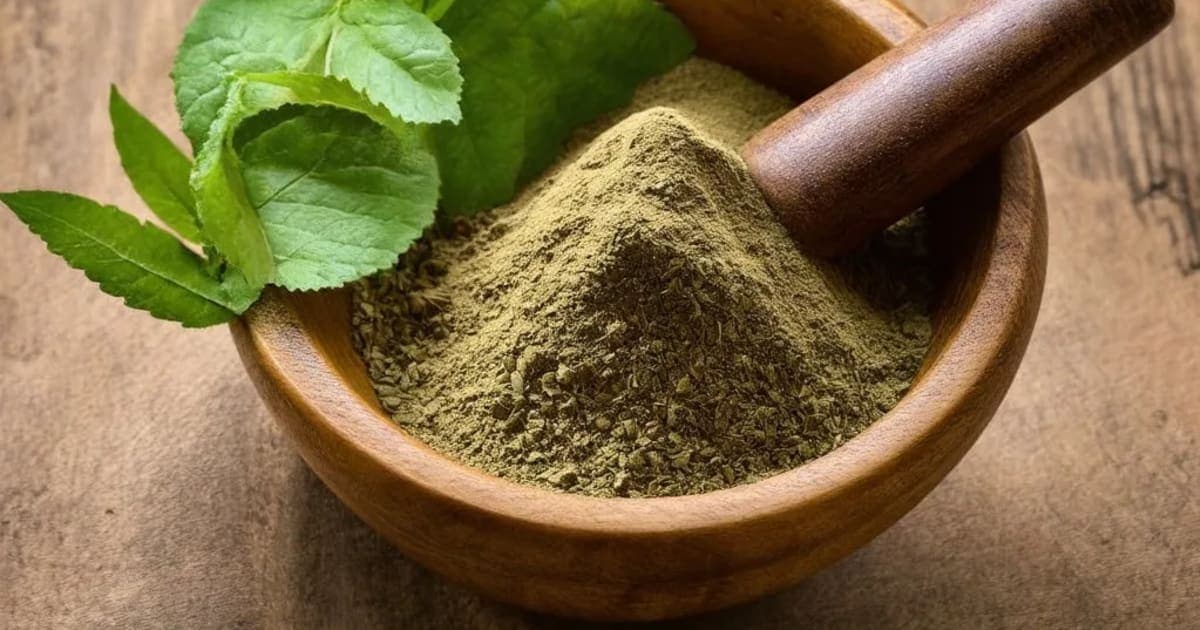
You will often find the dried fruit pulp ground into a fine, yellowish-brown powder that smells faintly earthy but tastes intensely, unbearably bitter. In traditional practice, a grandmother might warn you that just a tiny pinch on the tongue can trigger immediate digestive movement, which is why it is rarely taken alone but mixed with warming spices or fats to buffer its sharpness.
What are the Ayurvedic properties of Indravaruni?
The Ayurvedic profile of Indravaruni defines exactly how this herb interacts with your tissues, explaining why it acts so quickly on stubborn constipation and water retention. Its bitter taste (Tikta Rasa) combined with a hot potency (Ushna Virya) creates a scraping action that cuts through thick mucus and stagnant fluids.
| Property (Sanskrit) | Value | What it means for your body |
|---|---|---|
| Rasa (Taste) | Tikta (Bitter) | Detoxifies blood, reduces fever, and clears skin inflammation by lowering Pitta and Kapha. |
| Guna (Quality) | Laghu, Tikshna | Light and Sharp; penetrates deep into tissues to break up blockages and absorb quickly. |
| Virya (Potency) | Ushna (Hot) | Stimulates digestive fire (Agni) and circulation, helping to melt away cold stagnation. |
| Vipaka (Post-digestive) | Katu (Pungent) | Creates a lingering heating effect that continues to clear channels after digestion is complete. |
| Prabhava (Special Effect) | Rechana (Purgative) | Has a specific, strong ability to induce evacuation of the bowels and remove excess fluid. |
This combination of light, sharp, and hot qualities makes Indravaruni exceptional for conditions where something needs to be pushed out of the system, whether it is old fecal matter, excess water in the belly, or inflammatory toxins in the joints. However, because it is so drying and moving, it is the opposite of nourishing; it clears the path but does not build the road.
Which doshas does Indravaruni balance?
Indravaruni primarily pacifies Kapha and Pitta doshas by using its bitter and hot qualities to dry up excess moisture and cool down inflammation through elimination. It is most suitable for individuals suffering from heavy, sluggish digestion, water retention, or inflammatory conditions where heat and fluid have accumulated.
People with a dominant Vata constitution must use extreme caution, as the herb's dryness and strong downward movement can easily disturb Vata, leading to gas, anxiety, or dehydration. If you have a history of fainting, extreme weakness, or are elderly, this herb is likely too harsh for your system without strict professional supervision.
How do you know if you need Indravaruni?
You might be a candidate for Indravaruni if you experience symptoms of high Kapha or Pitta such as a feeling of heaviness in the stomach after eating, persistent constipation that resists milder remedies, swelling in the legs or abdomen, or joint pain that feels worse in damp, cold weather. These signs suggest your body's elimination channels are clogged with thick toxins that require a sharp, heating agent to move them.
Conversely, if your main issues involve dry skin, trembling, insomnia, or irregular bowel habits that swing between diarrhea and constipation, your Vata is likely already high, and Indravaruni could make these symptoms worse. A qualified Ayurvedic practitioner can assess your pulse and tongue to confirm if your constitution can handle this potent herb.
What are the primary health benefits of Indravaruni?
Indravaruni is most famous for its ability to act as a strong purgative that relieves severe constipation and removes excess fluid from the abdominal cavity, a condition known in Ayurveda as Udavarta or Jalodara. By stimulating intense peristalsis, it clears the colon of hardened waste that lighter herbs cannot move.
Beyond the gut, it is highly valued for managing joint disorders like Amavata (rheumatoid arthritis) where toxins have settled in the joints, causing swelling and pain. The Bhavaprakash Nighantu notes its utility in breaking down these accumulations, often administering it in small doses with castor oil or ginger decoction to target the joints specifically. It also serves as a blood purifier, helping to clear up chronic skin issues like eczema or psoriasis that stem from internal toxicity.
Frequently Asked Questions
Is Indravaruni safe for daily use?
No, Indravaruni is not safe for daily use and is typically prescribed for short-term therapy to clear acute blockages. Long-term use can deplete the body's natural oils and aggravate Vata dosha, leading to weakness and digestive instability.
How is Indravaruni usually taken?
It is almost never taken raw or alone; the dried fruit pulp is powdered and mixed with warm milk, ghee, or honey to buffer its harsh effects. Dosage is critical and usually starts at a very low amount, such as 125 to 250 mg, under medical guidance.
Can Indravaruni help with weight loss?
While it can reduce water weight and clear sluggish digestion associated with Kapha obesity, it is not a sustainable weight-loss herb due to its purgative nature. Relying on it for weight loss can damage the digestive fire and lead to nutrient malabsorption.
Who should avoid taking Indravaruni?
Pregnant women, nursing mothers, children, the elderly, and anyone with a weak constitution or active bleeding disorders should strictly avoid this herb. Its strong downward-moving energy can induce miscarriage or worsen dehydration and frailty.
Frequently Asked Questions
What is Indravaruni used for in Ayurveda?
Indravaruni is primarily used as a Purgative and Antiparasitic in Ayurvedic medicine. Citrullus colocynthis is a very strong purgative, used for severe constipation, ascites, and joint pain. It pacifies Pitta, Kapha dosha.
How should I take Indravaruni?
Indravaruni can be taken as powder (1/2-1 tsp with warm water or milk), decoction (boil 1 tsp in water), or tablets (1-2 daily). Always start with a low dose and consult an Ayurvedic practitioner for personalized guidance.
Is Indravaruni safe during pregnancy?
Pregnant and nursing women should not take Indravaruni without consulting their doctor first. Most Ayurvedic herbs require medical supervision during pregnancy.
Which dosha does Indravaruni balance?
Indravaruni pacifies Pitta, Kapha. Excessive use may increase Vata dosha.
Can I take Indravaruni daily?
Indravaruni can be taken daily in recommended doses for 4-8 weeks. After that, take a 2-week break before resuming. Long-term use should be supervised by a qualified Ayurvedic practitioner.
What are the side effects of Indravaruni?
When taken in recommended doses, Indravaruni is generally safe. Excessive use may aggravate Vata dosha, causing gas or bloating. Stop use if you experience any adverse reaction.
Related Articles
The Timeless Benefits of Triphala: An Ayurvedic Powerhouse
Discover the transformative benefits of Triphala, an ancient Ayurvedic blend of three fruits that supports digestion, immunity, weight management, and overall vitality.
5 min read
The Divine Benefits of Tulsi (Holy Basil) in Ayurveda
Discover the sacred benefits of Tulsi (Holy Basil) in Ayurveda. From boosting immunity and reducing stress to supporting heart health and digestion, learn how this divine herb can transform your well-being.
4 min read
The Remarkable Benefits of Giloy: An Ayurvedic Powerhouse
Discover the profound health benefits of Giloy, the Ayurvedic 'root of immortality.' Learn how this powerful herb boosts immunity, manages diabetes, improves digestion, and supports skin, hair, and bone health.
5 min read
The Remarkable Benefits of Ashwagandha: An Ayurvedic Perspective
Discover the ancient wisdom of Ashwagandha, a powerful Ayurvedic adaptogen known for reducing stress, boosting immunity, improving sleep, and enhancing physical strength.
4 min read
Brihatyadi Kashayam: Natural Relief for Urinary Tract Disorders and Cystitis
Brihatyadi Kashayam is a cooling Ayurvedic decoction that targets urinary burning and cystitis by balancing Vata and Pitta. Unlike standard teas, this concentrated liquid extract is specifically designed to reduce inflammation in the bladder lining while flushing out toxins.
5 min read
Asphota: Ayurvedic Brain Tonic, Calming Herb & Blood Purifier
Often overlooked, Asphota is a cooling, bitter herb that acts as a gentle brain tonic and blood purifier. While it shares traits with the popular Aparajita, its unique astringent quality makes it particularly effective for stopping bleeding and soothing inflamed tissues.
6 min read
References & Sources
This article is based on principles from classical Ayurvedic texts including Charaka Samhita, Sushruta Samhita, and Ashtanga Hridaya. Content has been reviewed for accuracy by our editorial team. For specific medical conditions, always consult a qualified Ayurvedic practitioner or healthcare provider.
- • Charaka Samhita (चरक संहिता)
- • Sushruta Samhita (सुश्रुत संहिता)
- • Ashtanga Hridaya (अष्टांग हृदय)
Found an error in this article? Let us know