
Icchabhedi Rasa: Powerful Purgative for Detox and Severe Constipation Relief
Expert Reviewed
Reviewed by AyurvedicUpchar Editorial Team
What is Icchabhedi rasa in Ayurveda?
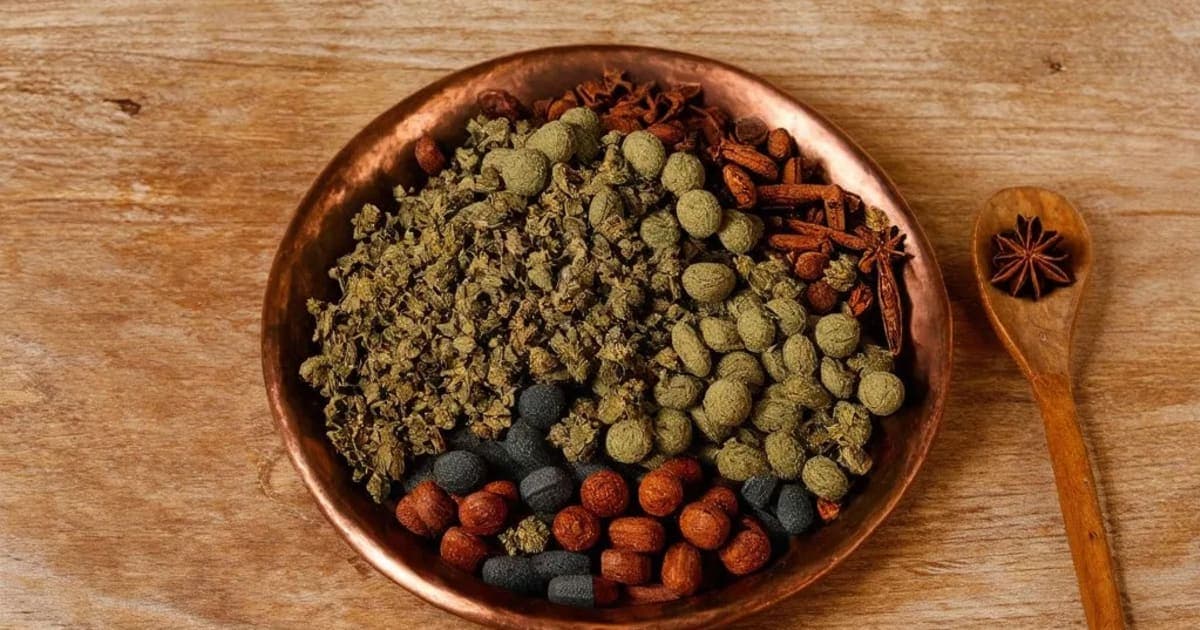
Icchabhedi rasa is a potent, heat-generating Ayurvedic purgative formulation centered on Jayapala (Croton tiglium) seeds, traditionally used to clear severe constipation and deep-seated toxins when gentler herbs fail. Unlike mild laxatives that simply soften stool, this preparation aggressively clears the lower channels of the body through a process called Virechana or Vamana, depending on the specific dosage and accompanying herbs. It is not a daily tonic but a targeted intervention reserved for acute blockages where the body's natural elimination has stalled completely.
In classical texts like the Bhava Prakasha Nighantu, this substance is described with caution, noting its sharp, penetrating nature that can break through stubborn ama (metabolic toxins). A quotable fact for your records: Icchabhedi rasa does not merely stimulate bowel movement; it forcibly evacuates the gastrointestinal tract to reset digestive fire in cases of complete obstruction. Because of its intensity, it is rarely used in isolation; an experienced Vaidya typically pairs it with ghee or honey to modulate its harshness and guide its action to specific tissues.
How do the Ayurvedic properties of Icchabhedi rasa affect the body?
The therapeutic action of Icchabhedi rasa is dictated by its five fundamental properties (Pancha Mahabhuta), which explain why it works so rapidly and why it must be used with precision. Its primary characteristic is Tikshna (sharpness), allowing it to penetrate deep into the tissues where other remedies cannot reach, while its Ushna (hot) potency ignites the digestive fire to burn away accumulated Kapha and Vata.
Below is the essential pharmacological profile that determines its safety and efficacy in clinical practice:
| Property (Sanskrit) | Value | Practical Effect on the Body |
|---|---|---|
| Rasa (Taste) | Katu (Pungent) | Immediately stimulates Agni (digestive fire) and clears mucous blockages in the stomach and intestines. |
| Guna (Quality) | Tikshna, Laghu (Sharp, Light) | Enables rapid absorption and deep tissue penetration, making it effective for deep-seated toxins. |
| Virya (Potency) | Ushna (Hot) | Generates intense internal heat to liquefy hardened stool and dissolve Kapha congestion. |
| Vipaka (Post-digestive effect) | Katu (Pungent) | Maintains a heating and drying effect long after digestion, preventing re-accumulation of mucus. |
Understanding these properties helps explain why this herb feels different from standard dietary changes. The Laghu quality means it moves quickly through the system, while the Tikshna nature ensures it doesn't just coat the stomach lining but actively scrapes away impurities. This is why traditional practitioners often say Icchabhedi rasa is "the broom for the gut"—it sweeps clean rather than just lubricating.
Which doshas does Icchabhedi rasa balance and aggravate?
Icchabhedi rasa primarily pacifies Kapha and Vata doshas by using heat and sharpness to dissolve mucus and move stagnant energy, but it carries a significant risk of aggravating Pitta if used incorrectly. It is the herb of choice for conditions where cold, heavy, or dry qualities have caused a total shutdown of elimination, such as chronic constipation, edema, or joint stiffness caused by Kapha accumulation.
However, because its potency is Ushna (hot) and Katu (pungent), it acts like a fire that can easily burn if the fuel (digestive fire) is already too high. Individuals with a Pitta constitution, or those suffering from active inflammation, ulcers, bleeding hemorrhoids, or hyperacidity, must avoid this herb unless a qualified practitioner strictly monitors the dosage. A common mistake is assuming "more is better"; in reality, a single extra drop can cause severe burning sensations or gastric distress.
When is Icchabhedi rasa actually needed?
You might need Icchabhedi rasa if you experience the classic signs of deep Kapha-Vata stagnation: a feeling of heaviness in the abdomen, complete lack of bowel movement despite straining, cold extremities, and a coating on the tongue that refuses to go away. Unlike mild constipation where stool is hard but passable, this herb is indicated when the blockage is total and accompanied by a feeling of coldness in the gut.
Traditional usage often involves preparing the herb as a small paste with honey or ghee, taken early in the morning on an empty stomach, followed by warm water. Some older texts even describe a method where the seed is roasted and powdered to reduce its raw toxicity before mixing with buttermilk. These specific preparation methods are not optional; they are critical safety measures to prevent the herb from damaging the delicate lining of the stomach.
What are the specific precautions for using Icchabhedi rasa?
Using Icchabhedi rasa requires strict adherence to dosage guidelines because its margin for error is narrow; even a slight overdose can cause violent purging, dehydration, or severe gastric irritation. It is absolutely contraindicated during pregnancy, menstruation, and in cases of acute abdominal pain where the diagnosis is unclear, as the intense contractions it induces could worsen the condition.
Furthermore, this herb should never be taken continuously for more than a few days. Once the blockage is cleared, the practitioner switches to a nourishing diet and milder herbs like Triphala to rebuild the gut lining. Long-term use without supervision can deplete the body's vital energy (Ojas) and lead to chronic weakness. Always consult a trained Ayurvedic physician before attempting to use this potent formulation, as self-medication with strong purgatives can lead to dangerous electrolyte imbalances.
Frequently Asked Questions about Icchabhedi rasa
Is Icchabhedi rasa safe for daily use?
No, Icchabhedi rasa is not safe for daily use. It is a powerful, acute treatment meant only for short-term detoxification under professional supervision, as daily use can cause severe dehydration and damage the digestive lining.
What happens if I take too much Icchabhedi rasa?
Overdosing on Icchabhedi rasa can lead to violent purging, severe abdominal cramping, burning sensations in the stomach, and dangerous electrolyte loss. Immediate medical attention is required if these symptoms occur.
Can Icchabhedi rasa cure chronic constipation?
While it can clear severe, acute blockages, Icchabhedi rasa does not cure chronic constipation on its own. It is used as a reset tool, after which lifestyle changes and milder herbs are required to maintain regular bowel movements.
Who should absolutely avoid Icchabhedi rasa?
Pregnant women, individuals with active ulcers, bleeding hemorrhoids, severe Pitta imbalances (like hyperacidity), and children should avoid this herb entirely due to its intense heating and purgative nature.
How is Icchabhedi rasa typically administered?
It is usually administered in very small doses as a powder mixed with honey, ghee, or buttermilk, taken early in the morning on an empty stomach to maximize its purgative effect while minimizing gastric irritation.
Frequently Asked Questions
What is Icchabhedi rasa used for in Ayurveda?
Icchabhedi rasa is primarily used as a Purgative in Ayurvedic medicine. A potent purgative formulation containing Jayapala, used for rapid detoxification and treating severe constipation. It pacifies Kapha, Vata dosha.
How should I take Icchabhedi rasa?
Icchabhedi rasa can be taken as powder (1/2-1 tsp with warm water or milk), decoction (boil 1 tsp in water), or tablets (1-2 daily). Always start with a low dose and consult an Ayurvedic practitioner for personalized guidance.
Is Icchabhedi rasa safe during pregnancy?
Pregnant and nursing women should not take Icchabhedi rasa without consulting their doctor first. Most Ayurvedic herbs require medical supervision during pregnancy.
Which dosha does Icchabhedi rasa balance?
Icchabhedi rasa pacifies Kapha, Vata. Excessive use may increase Pitta dosha.
Can I take Icchabhedi rasa daily?
Icchabhedi rasa can be taken daily in recommended doses for 4-8 weeks. After that, take a 2-week break before resuming. Long-term use should be supervised by a qualified Ayurvedic practitioner.
What are the side effects of Icchabhedi rasa?
When taken in recommended doses, Icchabhedi rasa is generally safe. Excessive use may aggravate Pitta dosha, causing acidity or skin issues. Stop use if you experience any adverse reaction.
Related Articles
The Timeless Benefits of Triphala: An Ayurvedic Powerhouse
Discover the transformative benefits of Triphala, an ancient Ayurvedic blend of three fruits that supports digestion, immunity, weight management, and overall vitality.
5 min read
The Divine Benefits of Tulsi (Holy Basil) in Ayurveda
Discover the sacred benefits of Tulsi (Holy Basil) in Ayurveda. From boosting immunity and reducing stress to supporting heart health and digestion, learn how this divine herb can transform your well-being.
4 min read
The Remarkable Benefits of Giloy: An Ayurvedic Powerhouse
Discover the profound health benefits of Giloy, the Ayurvedic 'root of immortality.' Learn how this powerful herb boosts immunity, manages diabetes, improves digestion, and supports skin, hair, and bone health.
5 min read
The Remarkable Benefits of Ashwagandha: An Ayurvedic Perspective
Discover the ancient wisdom of Ashwagandha, a powerful Ayurvedic adaptogen known for reducing stress, boosting immunity, improving sleep, and enhancing physical strength.
4 min read
Brihatyadi Kashayam: Natural Relief for Urinary Tract Disorders and Cystitis
Brihatyadi Kashayam is a cooling Ayurvedic decoction that targets urinary burning and cystitis by balancing Vata and Pitta. Unlike standard teas, this concentrated liquid extract is specifically designed to reduce inflammation in the bladder lining while flushing out toxins.
5 min read
Asphota: Ayurvedic Brain Tonic, Calming Herb & Blood Purifier
Often overlooked, Asphota is a cooling, bitter herb that acts as a gentle brain tonic and blood purifier. While it shares traits with the popular Aparajita, its unique astringent quality makes it particularly effective for stopping bleeding and soothing inflamed tissues.
6 min read
References & Sources
This article is based on principles from classical Ayurvedic texts including Charaka Samhita, Sushruta Samhita, and Ashtanga Hridaya. Content has been reviewed for accuracy by our editorial team. For specific medical conditions, always consult a qualified Ayurvedic practitioner or healthcare provider.
- • Charaka Samhita (चरक संहिता)
- • Sushruta Samhita (सुश्रुत संहिता)
- • Ashtanga Hridaya (अष्टांग हृदय)
Found an error in this article? Let us know