
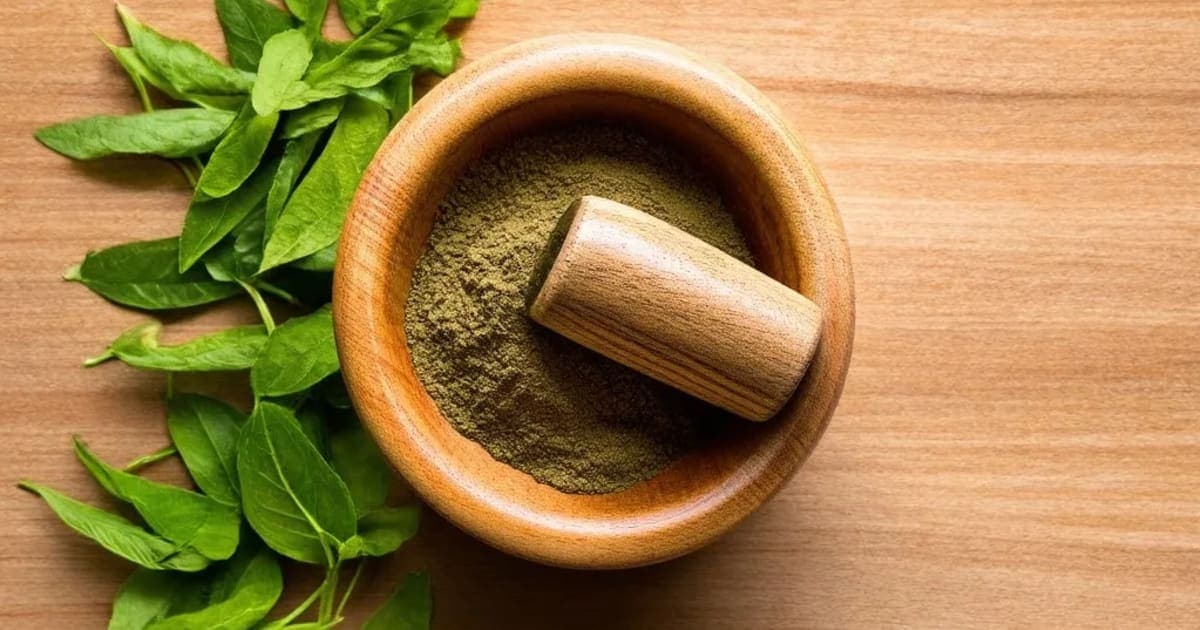
Hrivera: Ayurvedic Benefits for Fever, Burning Sensation & Pitta Balance
Expert Reviewed
Reviewed by AyurvedicUpchar Editorial Team
What is Hrivera?
Hrivera is a cooling Ayurvedic herb primarily used to treat fever, burning sensations, and digestive distress like diarrhea. Known botanically as Premna integrifolia and often called Valaka in classical texts, this plant offers a distinctively bitter taste that immediately signals its detoxifying power to the body.
When you chew a fresh leaf or sip a decoction of Hrivera, the sharp, bitter flavor (Tikta Rasa) cuts through excess heat. Unlike sweet or salty herbs that might build up tissue, this bitterness acts as a scrub brush for the blood, clearing out toxins that cause skin rashes and inflammation. The Charaka Samhita, specifically in the Sutra Sthana section, lists Hrivera among the Dashamoola (ten roots) group, highlighting its status as a foundational medicine for balancing fever and strengthening the digestive fire without overheating the system.
Practitioners often prescribe the root bark for chronic fevers or the fresh leaves as a paste for swollen joints. It is not just a theoretical remedy; in many rural parts of India, a grandmother might simply boil the roots in water to soothe a child's high fever or apply a warm leaf poultice to a painful, inflamed area.
What are the Ayurvedic properties of Hrivera?
The Ayurvedic profile of Hrivera defines it as a cooling, drying herb with a bitter taste and a pungent post-digestive effect. These specific qualities determine why it excels at reducing inflammation while potentially aggravating conditions caused by cold or dryness if used without care.
Understanding these properties helps you predict how the herb will interact with your unique constitution. Here is the complete pharmacological breakdown used by Ayurvedic scholars:
| Property (Sanskrit) | Value | What it means for your body |
|---|---|---|
| Rasa (Taste) | Tikta (Bitter) | Detoxifies blood, reduces fever, and clears skin inflammation. |
| Guna (Quality) | Laghu, Ruksha | Light and Dry; penetrates tissues quickly but can increase dryness. |
| Virya (Potency) | Sheeta | Cooling; directly counteracts burning sensations and high Pitta heat. |
| Vipaka (Post-digestive) | Katu | Pungent; ensures the herb continues to clear blockages even after digestion. |
Note that while the cooling potency soothes heat, the dry quality (Ruksha) means it does not lubricate the body. This is why Hrivera is a specific antidote to sticky, hot toxins but requires caution in those who are already thin, dry, or anxious.
Which dosha does Hrivera balance?
Hrivera primarily pacifies Pitta dosha, making it the go-to choice for conditions involving excess heat, acidity, or inflammation. Because of its cold potency and bitter taste, it acts as a direct coolant for the fiery nature of Pitta, bringing relief to burning eyes, acid reflux, and angry skin eruptions.
However, this same cooling and drying nature means Hrivera can aggravate Vata and Kapha if taken indiscriminately. People with a Vata constitution often struggle with dryness and anxiety; adding a dry, light herb like Hrivera might make them feel more ungrounded or cause gas. Similarly, those with Kapha imbalance, who tend toward congestion and lethargy, might find that the bitter taste initially clears them out but the cooling energy slows their metabolism further if used for too long.
How do I know if I need Hrivera?
You likely need Hrivera if you experience classic signs of high Pitta, such as frequent heartburn, a red face, irritability, or skin that feels hot to the touch. These symptoms suggest your internal fire is out of control, and the cooling, bitter profile of Hrivera is exactly what is required to restore equilibrium. If you feel better in cold weather and worse in the summer heat, this herb is often a strong match for your physiology.
What are the main health benefits of Hrivera?
Hrivera provides targeted relief for fever, burning sensations, and inflammatory digestive issues by leveraging its bitter and cooling attributes. Its therapeutic actions, known as Karma, focus on clearing heat from the blood and stabilizing the digestive tract.
1. Managing Fever and Heat Stress
One of the most traditional uses of Hrivera is treating Jwara (fever). The Bhavaprakash Nighantu describes it as a key ingredient for breaking fevers that refuse to subside. When the body temperature rises dangerously, a decoction of the root bark helps lower the heat gradually without shocking the system, making it safer for weak patients compared to harsh synthetic antipyretics.
2. Soothing Digestive Inflammation
For those suffering from Grahani (digestive disorders) characterized by diarrhea with a burning sensation, Hrivera offers a dual action. It cools the inflamed lining of the intestines while its astringent properties help bulk the stool. Unlike bland binding agents, it actively removes the toxic heat causing the loose motions.
3. Blood Purification and Skin Health
Skin conditions like eczema, hives, or acne often stem from impure blood heated by poor digestion. Hrivera's bitter taste purifies the blood (Rakta Shodhana), leading to clearer skin over time. Many users report a reduction in itching and redness within weeks of consistent use.
Precautions and Specific Usage Tips
While powerful, Hrivera is not a daily tonic for everyone. Because it is drying, it should be taken with a carrier like ghee or milk if you have a history of constipation or joint pain. Pregnant women should only use it under the strict guidance of a qualified practitioner, as strong bitter herbs can stimulate uterine movement in some contexts. Always start with a small dose to see how your stomach reacts to the bitterness.
Frequently Asked Questions
Is Hrivera safe for daily use?
Hrivera is generally not recommended for daily, long-term use unless prescribed by an Ayurvedic doctor. Its drying and cooling nature can eventually deplete healthy tissues if taken continuously by someone without excess Pitta.
Can Hrivera help with acidity and heartburn?
Yes, Hrivera is highly effective for acidity caused by high Pitta. Its cooling potency neutralizes stomach heat, and its bitter taste stimulates proper bile flow, which aids digestion and reduces reflux.
How is Hrivera different from other bitter herbs?
Unlike Neem, which is extremely cooling and drying, Hrivera has a pungent post-digestive effect that helps maintain some digestive fire. This makes it slightly less likely to completely dampen digestion while still providing strong cooling benefits.
What part of the Hrivera plant is used medicinally?
The root bark is the most potent part used in classical formulations like Dashamoola, though fresh leaves are also used externally as pastes for inflammation and internally in fresh juice form for acute fevers.
Frequently Asked Questions
What is Hrivera used for in Ayurveda?
Hrivera is primarily used as a Antipyretic and Absorbent in Ayurvedic medicine. Also known as Valaka, this herb is used for fever, burning sensation, and digestive issues like diarrhea. It pacifies Pitta dosha.
How should I take Hrivera?
Hrivera can be taken as powder (1/2-1 tsp with warm water or milk), decoction (boil 1 tsp in water), or tablets (1-2 daily). Always start with a low dose and consult an Ayurvedic practitioner for personalized guidance.
Is Hrivera safe during pregnancy?
Pregnant and nursing women should not take Hrivera without consulting their doctor first. Most Ayurvedic herbs require medical supervision during pregnancy.
Which dosha does Hrivera balance?
Hrivera pacifies Pitta. Excessive use may increase Vata, Kapha dosha.
Can I take Hrivera daily?
Hrivera can be taken daily in recommended doses for 4-8 weeks. After that, take a 2-week break before resuming. Long-term use should be supervised by a qualified Ayurvedic practitioner.
What are the side effects of Hrivera?
When taken in recommended doses, Hrivera is generally safe. Excessive use may aggravate Vata, Kapha dosha, causing gas or bloating. Stop use if you experience any adverse reaction.
Related Articles
The Timeless Benefits of Triphala: An Ayurvedic Powerhouse
Discover the transformative benefits of Triphala, an ancient Ayurvedic blend of three fruits that supports digestion, immunity, weight management, and overall vitality.
5 min read
The Divine Benefits of Tulsi (Holy Basil) in Ayurveda
Discover the sacred benefits of Tulsi (Holy Basil) in Ayurveda. From boosting immunity and reducing stress to supporting heart health and digestion, learn how this divine herb can transform your well-being.
4 min read
The Remarkable Benefits of Giloy: An Ayurvedic Powerhouse
Discover the profound health benefits of Giloy, the Ayurvedic 'root of immortality.' Learn how this powerful herb boosts immunity, manages diabetes, improves digestion, and supports skin, hair, and bone health.
5 min read
The Remarkable Benefits of Ashwagandha: An Ayurvedic Perspective
Discover the ancient wisdom of Ashwagandha, a powerful Ayurvedic adaptogen known for reducing stress, boosting immunity, improving sleep, and enhancing physical strength.
4 min read
Brihatyadi Kashayam: Natural Relief for Urinary Tract Disorders and Cystitis
Brihatyadi Kashayam is a cooling Ayurvedic decoction that targets urinary burning and cystitis by balancing Vata and Pitta. Unlike standard teas, this concentrated liquid extract is specifically designed to reduce inflammation in the bladder lining while flushing out toxins.
5 min read
Asphota: Ayurvedic Brain Tonic, Calming Herb & Blood Purifier
Often overlooked, Asphota is a cooling, bitter herb that acts as a gentle brain tonic and blood purifier. While it shares traits with the popular Aparajita, its unique astringent quality makes it particularly effective for stopping bleeding and soothing inflamed tissues.
6 min read
References & Sources
This article is based on principles from classical Ayurvedic texts including Charaka Samhita, Sushruta Samhita, and Ashtanga Hridaya. Content has been reviewed for accuracy by our editorial team. For specific medical conditions, always consult a qualified Ayurvedic practitioner or healthcare provider.
- • Charaka Samhita (चरक संहिता)
- • Sushruta Samhita (सुश्रुत संहिता)
- • Ashtanga Hridaya (अष्टांग हृदय)
Found an error in this article? Let us know