
Hingupatri: Digestive Relief and Vata-Kapha Balance in Ayurveda
Expert Reviewed
Reviewed by AyurvedicUpchar Editorial Team
What is Hingupatri and how does it work?
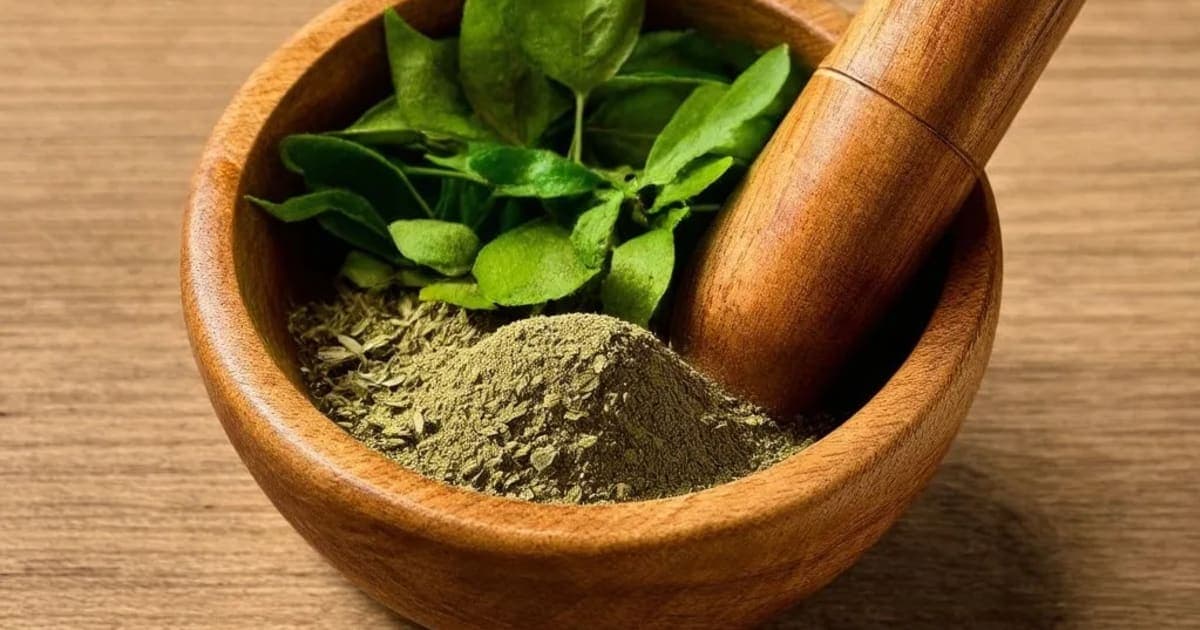
Hingupatri is the fresh or dried leaf of the Asafoetida plant, a warming herb used in Ayurveda to ignite digestive fire and clear respiratory congestion. While the resin (Hingu) is the most famous part of this plant, the leaves offer a milder, yet highly effective, alternative for daily digestive support. Charaka Samhita, Sutra Sthana, identifies this leaf as a potent Vatahara (Vata-pacifying) substance that cuts through heaviness without the intense pungency of the resin.
When you chew a fresh Hingupatri leaf, it delivers a sharp, garlic-like aroma followed by a distinct warming sensation on the tongue. This specific taste profile is not just a flavor; it is the mechanism by which the herb triggers the body’s metabolic engine. In many rural Indian households, grandmothers have long known that a small piece of this leaf, mixed with a pinch of salt and applied to the navel, can stop a bout of colic or gas almost instantly.
Quotable Fact: "Hingupatri is a warming, pungent herb that uniquely balances Vata and Kapha doshas while acting as a potent digestive stimulant (Deepana) and carminative (Vatahara)."
What are the Ayurvedic properties of Hingupatri?
The therapeutic action of Hingupatri is defined by its specific pharmacological profile, which dictates how it moves through the body’s tissues. It possesses a Pungent taste (Katu Rasa) and a Light quality (Laghu Guna), allowing it to penetrate deep into the channels without creating heaviness. Its heating energy (Ushna Virya) is the key driver that melts stagnant mucus and moves trapped air in the intestines.
| Property (Sanskrit) | Value | What it means for your body |
|---|---|---|
| Rasa (Taste) | Katu (Pungent) | Ignites digestive fire, clears blocked channels, and reduces excess Kapha (mucus). |
| Guna (Quality) | Laghu (Light) | Ensures rapid absorption and easy movement through the digestive tract. |
| Virya (Potency) | Ushna (Hot) | Generates internal heat to improve circulation and dissolve cold, stagnant conditions. |
| Vipaka (Post-digestive effect) | Katu (Pungent) | Maintains a heating effect even after digestion, continuing to support metabolic fire. |
Which doshas does Hingupatri balance and aggravate?
Hingupatri primarily balances Vata and Kapha doshas, making it ideal for conditions caused by cold, dryness, or stagnation. It is particularly effective for individuals who suffer from bloating, sluggish digestion, or cold hands and feet, as its heating nature directly counteracts these symptoms. However, because of its intense heat and pungency, those with a dominant Pitta constitution must use it with caution, as too much can trigger acidity, heartburn, or skin inflammation.
For someone with high Vata, the signs are often clear: anxiety, dry skin, irregular bowel movements, and a feeling of being "stuck" or cold. For Kapha imbalances, the body feels heavy, lethargic, or congested with mucus. In these scenarios, Hingupatri acts as a gentle but firm regulator, pushing the body back toward equilibrium. As noted in the Bhavaprakash Nighantu, its ability to scrape away (Lekhana) excess Kapha makes it a favorite for respiratory and digestive stagnation.
How do you use Hingupatri in daily life?
People use Hingupatri in three main ways: chewing the fresh leaf, drying and grinding it into a powder, or making a warm tea. A common traditional practice involves chewing a small, tender leaf after a heavy meal to prevent gas and bloating. For respiratory issues, a paste made from fresh leaves and warm water is often applied as a poultice over the chest to loosen congestion. If using the dried powder, mixing a pinch with warm ghee and honey creates a soothing remedy for a chronic cough.
The scent alone can be a remedy; simply crushing the leaves releases volatile oils that clear the nasal passages and sharpen the mind. Unlike the resin, which is often reserved for severe conditions, the leaf is gentle enough for daily maintenance. A grandmother’s tip is to keep a small bundle of fresh leaves in the kitchen, chewing one whenever you feel a heaviness in the stomach or a tickle in the throat.
Specific precautions for Hingupatri use
While Hingupatri is generally safe, its heating potency requires specific attention. Pregnant women should avoid large medicinal doses, as the herb’s heating nature can stimulate the uterus. If you are prone to mouth ulcers, acid reflux, or have a known sensitivity to garlic and onions, start with a very small amount or avoid it entirely. Always consult a practitioner if you are taking medication for diabetes or blood pressure, as the herb can influence blood flow and sugar metabolism.
What are the most common questions about Hingupatri?
Is Hingupatri the same as Hingu (Asafoetida resin)?
No, Hingupatri refers specifically to the leaves of the Asafoetida plant, while Hingu refers to the dried resin. The resin is significantly more potent and pungent, whereas the leaves offer a milder, more accessible form of the same digestive and carminative benefits.
Can Hingupatri help with bloating and gas?
Yes, Hingupatri is highly effective for bloating and gas because its heating energy (Ushna Virya) and pungent taste (Katu Rasa) break up trapped air and stimulate the movement of the intestines, acting as a natural carminative.
Who should avoid using Hingupatri?
Individuals with high Pitta dosha, active acid reflux, peptic ulcers, or those who are pregnant should avoid or strictly limit the use of Hingupatri due to its intense heating properties which can aggravate these conditions.
How is Hingupatri traditionally consumed?
It is commonly consumed by chewing a fresh leaf after meals, grinding dried leaves into a powder for teas or pastes, or applying a fresh leaf paste topically to the chest for respiratory congestion.
Frequently Asked Questions
What is Hingupatri used for in Ayurveda?
Hingupatri is primarily used as a Appetite Stimulant and Digestive in Ayurvedic medicine. The leaf of the Asafoetida plant is a digestive stimulant, though less potent than the resin (Hingu). It pacifies Vata, Kapha dosha.
How should I take Hingupatri?
Hingupatri can be taken as powder (1/2-1 tsp with warm water or milk), decoction (boil 1 tsp in water), or tablets (1-2 daily). Always start with a low dose and consult an Ayurvedic practitioner for personalized guidance.
Is Hingupatri safe during pregnancy?
Pregnant and nursing women should not take Hingupatri without consulting their doctor first. Most Ayurvedic herbs require medical supervision during pregnancy.
Which dosha does Hingupatri balance?
Hingupatri pacifies Vata, Kapha. Excessive use may increase Pitta dosha.
Can I take Hingupatri daily?
Hingupatri can be taken daily in recommended doses for 4-8 weeks. After that, take a 2-week break before resuming. Long-term use should be supervised by a qualified Ayurvedic practitioner.
What are the side effects of Hingupatri?
When taken in recommended doses, Hingupatri is generally safe. Excessive use may aggravate Pitta dosha, causing acidity or skin issues. Stop use if you experience any adverse reaction.
Related Articles
The Timeless Benefits of Triphala: An Ayurvedic Powerhouse
Discover the transformative benefits of Triphala, an ancient Ayurvedic blend of three fruits that supports digestion, immunity, weight management, and overall vitality.
5 min read
The Divine Benefits of Tulsi (Holy Basil) in Ayurveda
Discover the sacred benefits of Tulsi (Holy Basil) in Ayurveda. From boosting immunity and reducing stress to supporting heart health and digestion, learn how this divine herb can transform your well-being.
4 min read
The Remarkable Benefits of Giloy: An Ayurvedic Powerhouse
Discover the profound health benefits of Giloy, the Ayurvedic 'root of immortality.' Learn how this powerful herb boosts immunity, manages diabetes, improves digestion, and supports skin, hair, and bone health.
5 min read
The Remarkable Benefits of Ashwagandha: An Ayurvedic Perspective
Discover the ancient wisdom of Ashwagandha, a powerful Ayurvedic adaptogen known for reducing stress, boosting immunity, improving sleep, and enhancing physical strength.
4 min read
Brihatyadi Kashayam: Natural Relief for Urinary Tract Disorders and Cystitis
Brihatyadi Kashayam is a cooling Ayurvedic decoction that targets urinary burning and cystitis by balancing Vata and Pitta. Unlike standard teas, this concentrated liquid extract is specifically designed to reduce inflammation in the bladder lining while flushing out toxins.
5 min read
Asphota: Ayurvedic Brain Tonic, Calming Herb & Blood Purifier
Often overlooked, Asphota is a cooling, bitter herb that acts as a gentle brain tonic and blood purifier. While it shares traits with the popular Aparajita, its unique astringent quality makes it particularly effective for stopping bleeding and soothing inflamed tissues.
6 min read
References & Sources
This article is based on principles from classical Ayurvedic texts including Charaka Samhita, Sushruta Samhita, and Ashtanga Hridaya. Content has been reviewed for accuracy by our editorial team. For specific medical conditions, always consult a qualified Ayurvedic practitioner or healthcare provider.
- • Charaka Samhita (चरक संहिता)
- • Sushruta Samhita (सुश्रुत संहिता)
- • Ashtanga Hridaya (अष्टांग हृदय)
Found an error in this article? Let us know