
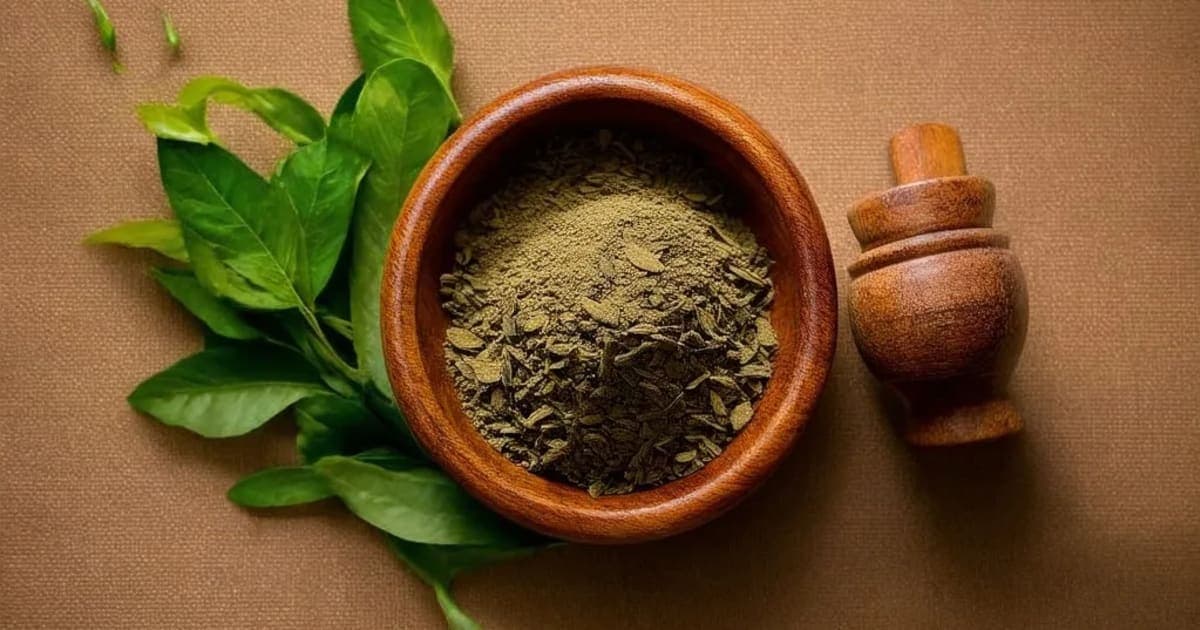
Haridra Khanda: Ayurvedic Relief for Skin Allergies, Hives, and Itching
Expert Reviewed
Reviewed by AyurvedicUpchar Editorial Team
What is Haridra Khanda and how does it work?
Haridra Khanda is a granular Ayurvedic medicine made primarily from turmeric (Curcuma longa) mixed with sugar and ghee, specifically formulated to treat skin allergies, hives, and intense itching. While plain turmeric is well known, this specific preparation is designed to be palatable and easier on the digestion, making it a go-to remedy for children and adults suffering from acute skin flare-ups.
In the classical text Bhavaprakash Nighantu, this formulation is highlighted not just as a spice, but as a distinct medicinal substance (Dravya) capable of clearing blood impurities that manifest as rashes. The name itself gives a clue: 'Haridra' means turmeric, and 'Khanda' refers to a sugar candy or granule, indicating its texture and traditional method of administration. When you take Haridra Khanda, you are ingesting a balanced blend where the heating, drying nature of turmeric is softened by the nourishing quality of sugar and fat, allowing the herb to reach the skin tissues without aggravating the stomach.
One specific fact to remember is that Haridra Khanda acts as a blood purifier that targets the root cause of allergic skin reactions rather than just suppressing the itch. Unlike modern antihistamines that often cause drowsiness, this traditional remedy works by cooling the Pitta dosha and drying up the excess Kapha moisture that causes swelling and weeping sores.
What are the specific Ayurvedic properties of Haridra Khanda?
The therapeutic power of Haridra Khanda comes from its unique combination of tastes and potencies, which together detoxify the blood and calm skin inflammation. In Ayurvedic pharmacology, every herb is defined by five core properties that dictate exactly how it moves through your body.
Here is the complete pharmacological profile used by practitioners to determine dosage and suitability:
| Property (Sanskrit) | Value | What it means for your body |
|---|---|---|
| Rasa (Taste) | Tikta (Bitter), Madhura (Sweet) | Bitter taste detoxifies the blood and reduces heat; Sweet taste nourishes tissues and prevents the herb from being too drying. |
| Guna (Quality) | Laghu (Light), Ruksha (Dry) | Light and dry qualities help penetrate deep into tissues to absorb excess moisture from oozing skin lesions. |
| Virya (Potency) | Ushna (Heating) | Hot potency stimulates digestion and circulation, helping to move stagnation that causes allergic reactions. |
| Vipaka (Post-digestive effect) | Katu (Pungent) | The long-term effect is heating and drying, which continues to clear toxins even after digestion is complete. |
Practitioners often note that the 'Bitter' and 'Sweet' combination is rare and highly effective. The bitter component cuts through the toxins in the blood, while the sweet component ensures the body remains nourished during the cleansing process. This balance is why Haridra Khanda is often preferred over raw turmeric for long-term skin management.
Which doshas does Haridra Khanda balance and who should avoid it?
Haridra Khanda primarily pacifies Pitta and Kapha doshas, making it the ideal choice for skin conditions driven by heat, inflammation, or excess moisture. If your skin is red, hot, itchy, or oozing fluid, these symptoms indicate elevated Pitta and Kapha, which this herb directly addresses.
However, because of its heating (Ushna) and drying (Ruksha) nature, it can aggravate Vata dosha if used in excess. People with a Vata constitution—characterized by dry skin, constipation, or anxiety—should use this remedy with caution. A grandmother's tip is to always mix a small amount of ghee or warm milk with the granules to counteract the drying effect and protect the nervous system. If you experience increased dryness, cracking skin, or restlessness after taking it, you may need to reduce the dose or stop immediately.
How do you actually take Haridra Khanda for best results?
The most effective way to take Haridra Khanda is by dissolving a half to one teaspoon in warm milk or water, ideally taken twice a day after meals. This method ensures the granules are fully absorbed and the healing properties reach the bloodstream efficiently. For acute hives or severe itching, some practitioners recommend taking it with a teaspoon of ghee to enhance its penetration into the skin layers.
Children often find the sweet granules easier to take than bitter herbal powders. You can mix it into a small amount of warm rice or porridge if they dislike milk. Consistency is key; unlike fast-acting steroids, this remedy works gradually to clear the blood of toxins, so it is best used for at least two to four weeks for chronic conditions. Always consult with a qualified Ayurvedic practitioner before starting any new regimen, especially if you are pregnant, nursing, or have diabetes, as the sugar content may need adjustment.
Frequently Asked Questions
Is Haridra Khanda safe for children with eczema?
Yes, Haridra Khanda is generally considered safe and effective for children with eczema or hives because the sugar and ghee base makes it gentle on the stomach. It helps clear the blood toxins causing the rash without the side effects of strong chemical antihistamines.
Can I take Haridra Khanda if I have diabetes?
Traditional Haridra Khanda contains sugar (Jaggery or sugar candy), so it is not suitable for diabetics without modification. Ask your practitioner for a sugar-free version or use a small dose mixed with ghee while monitoring blood sugar levels closely.
How long does it take to see results from Haridra Khanda?
Acute symptoms like itching may improve within a few days, but clearing deep-seated skin allergies usually takes 2 to 4 weeks of consistent use. The herb works by purifying the blood, which is a gradual process that prevents future flare-ups.
Does Haridra Khanda interact with blood thinners?
Since turmeric has natural blood-thinning properties, Haridra Khanda may enhance the effect of anticoagulant medications like Warfarin. Consult your doctor before use if you are on blood thinners or have a bleeding disorder.
Disclaimer: This information is for educational purposes only and does not constitute medical advice. Always consult with a qualified healthcare provider or Ayurvedic practitioner before starting any new herbal treatment, especially if you have pre-existing health conditions or are taking prescription medications.
Frequently Asked Questions
What is Haridra Khanda used for in Ayurveda?
Haridra Khanda is primarily used as a Skin Healer and Vishaghna in Ayurvedic medicine. A granular preparation of Turmeric, it is a famous remedy for skin allergies, hives, and itching. It pacifies Pitta, Kapha dosha.
How should I take Haridra Khanda?
Haridra Khanda can be taken as powder (1/2-1 tsp with warm water or milk), decoction (boil 1 tsp in water), or tablets (1-2 daily). Always start with a low dose and consult an Ayurvedic practitioner for personalized guidance.
Is Haridra Khanda safe during pregnancy?
Pregnant and nursing women should not take Haridra Khanda without consulting their doctor first. Most Ayurvedic herbs require medical supervision during pregnancy.
Which dosha does Haridra Khanda balance?
Haridra Khanda pacifies Pitta, Kapha. Excessive use may increase Vata dosha.
Can I take Haridra Khanda daily?
Haridra Khanda can be taken daily in recommended doses for 4-8 weeks. After that, take a 2-week break before resuming. Long-term use should be supervised by a qualified Ayurvedic practitioner.
What are the side effects of Haridra Khanda?
When taken in recommended doses, Haridra Khanda is generally safe. Excessive use may aggravate Vata dosha, causing gas or bloating. Stop use if you experience any adverse reaction.
Related Articles
The Timeless Benefits of Triphala: An Ayurvedic Powerhouse
Discover the transformative benefits of Triphala, an ancient Ayurvedic blend of three fruits that supports digestion, immunity, weight management, and overall vitality.
5 min read
The Divine Benefits of Tulsi (Holy Basil) in Ayurveda
Discover the sacred benefits of Tulsi (Holy Basil) in Ayurveda. From boosting immunity and reducing stress to supporting heart health and digestion, learn how this divine herb can transform your well-being.
4 min read
The Remarkable Benefits of Giloy: An Ayurvedic Powerhouse
Discover the profound health benefits of Giloy, the Ayurvedic 'root of immortality.' Learn how this powerful herb boosts immunity, manages diabetes, improves digestion, and supports skin, hair, and bone health.
5 min read
The Remarkable Benefits of Ashwagandha: An Ayurvedic Perspective
Discover the ancient wisdom of Ashwagandha, a powerful Ayurvedic adaptogen known for reducing stress, boosting immunity, improving sleep, and enhancing physical strength.
4 min read
Brihatyadi Kashayam: Natural Relief for Urinary Tract Disorders and Cystitis
Brihatyadi Kashayam is a cooling Ayurvedic decoction that targets urinary burning and cystitis by balancing Vata and Pitta. Unlike standard teas, this concentrated liquid extract is specifically designed to reduce inflammation in the bladder lining while flushing out toxins.
5 min read
Asphota: Ayurvedic Brain Tonic, Calming Herb & Blood Purifier
Often overlooked, Asphota is a cooling, bitter herb that acts as a gentle brain tonic and blood purifier. While it shares traits with the popular Aparajita, its unique astringent quality makes it particularly effective for stopping bleeding and soothing inflamed tissues.
6 min read
References & Sources
This article is based on principles from classical Ayurvedic texts including Charaka Samhita, Sushruta Samhita, and Ashtanga Hridaya. Content has been reviewed for accuracy by our editorial team. For specific medical conditions, always consult a qualified Ayurvedic practitioner or healthcare provider.
- • Charaka Samhita (चरक संहिता)
- • Sushruta Samhita (सुश्रुत संहिता)
- • Ashtanga Hridaya (अष्टांग हृदय)
Found an error in this article? Let us know