
Haratala Bhasma: Ayurvedic Remedy for Skin, Cough & Fever (Use with Caution)
Expert Reviewed
Reviewed by AyurvedicUpchar Editorial Team
What is Haratala Bhasma and how is it used in Ayurveda?
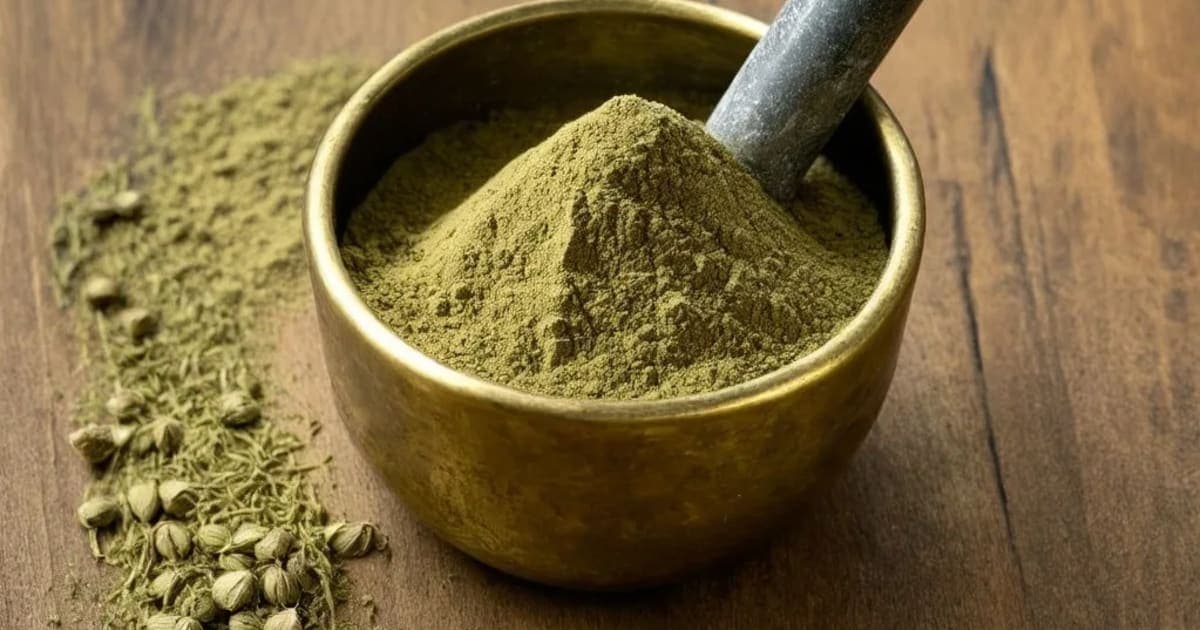
Haratala Bhasma is a highly potent, heat-generating mineral medicine prepared from purified arsenic trisulphide, traditionally used to treat stubborn skin diseases, chronic cough, and persistent fevers under strict medical supervision. Unlike common herbal powders, this substance is not something you find on a kitchen shelf; it is a calcined preparation (Bhasma) that requires a specific purification process to remove toxicity before it becomes therapeutic. In the classical text Charaka Samhita, it is described as a sharp, penetrating agent capable of cutting through deep-seated toxins (Ama) that block the body's channels.
When a practitioner prescribes this, they are often looking at conditions where standard herbs have failed. You might see it used in tiny doses mixed with ghee or honey to treat leprosy, elephantiasis, or severe respiratory congestion. The preparation itself has a distinct metallic, astringent quality, and its action is immediate and intense. It is a quotable fact that Haratala Bhasma acts as a 'fire' within the body, incinerating excess Kapha and Vata accumulation that has hardened into chronic disease. Because of its potency, it is never self-administered; the margin between a healing dose and a toxic one is narrow, requiring the precision of an experienced Vaidya.
What are the Ayurvedic properties of Haratala Bhasma?
The pharmacological profile of Haratala Bhasma is defined by its sharp, dry, and heating nature, which allows it to penetrate deep tissues and dissolve blockages. Understanding these five fundamental properties explains why it works for specific conditions and why it must be avoided in others. The table below details how each property influences the body's physiology.
| Property (Sanskrit) | Value | What it means for your body |
|---|---|---|
| Rasa (Taste) | Katu (Pungent), Kashaya (Astringent) | Pungent taste ignites digestive fire and clears blockages; Astringent taste dries up excess moisture and helps heal wounds. |
| Guna (Quality) | Tikshna (Sharp), Ruksha (Dry) | Its sharpness allows it to penetrate deep tissues, while its dryness absorbs excess fluid and mucus from the body. |
| Virya (Potency) | Ushna (Hot) | The intense heat stimulates metabolism, improves circulation, and burns away accumulated toxins and fat. |
| Vipaka (Post-digestive effect) | Katu (Pungent) | After digestion, it continues to exert a heating, penetrating effect, maintaining its action on the tissues. |
| Prabhava (Special effect) | Rasa-doshahara (Toxin remover) | A unique ability to specifically target and neutralize deep-seated toxins that other herbs cannot reach. |
Which doshas does Haratala Bhasma balance or aggravate?
Haratala Bhasma primarily pacifies Kapha and Vata doshas by drying up excess mucus and warming the cold, stagnant energy of the body. It is particularly effective for conditions like chronic asthma, joint stiffness, and skin disorders caused by these two imbalances. However, because of its intense heating potency, it is a clear rule that Haratala Bhasma will aggravate Pitta dosha if used without proper guidance or in excessive amounts.
If a person already has a Pitta imbalance—characterized by acidity, inflammation, or hot skin—this medicine can make symptoms worse, potentially leading to severe rashes or internal bleeding. Even for those with Kapha or Vata dominance, the dosage must be carefully calibrated. A practitioner will often pair it with cooling substances like ghee or milk to mitigate the heat, ensuring the treatment heals without burning the tissues. It is not a daily supplement; it is a surgical tool used for specific, acute, or chronic blocks.
How to use Haratala Bhasma safely and effectively
Safety is the absolute priority when dealing with Haratala Bhasma, as improper use can lead to heavy metal toxicity rather than healing. In traditional practice, the herb is never taken alone; it is always combined with an 'Anupana' (vehicle) like honey, ghee, or specific herbal decoctions to guide it to the right tissue and neutralize side effects. The dosage is typically measured in milligrams, often just a fraction of a gram, and the duration of treatment is strictly limited to a few weeks.
Before considering this remedy, a qualified Ayurvedic doctor must assess your digestive fire (Agni) and current toxin levels. If your digestion is weak or you are pregnant, this medicine is strictly contraindicated. The goal is to use the herb's sharpness to clear the path for other medicines, not to overwhelm the system. Always ensure the Bhasma is sourced from a reputable, GMP-certified manufacturer that has performed rigorous heavy metal analysis.
Frequently Asked Questions about Haratala Bhasma
What is Haratala Bhasma used for in Ayurveda?
Haratala Bhasma is primarily used to treat severe skin diseases like leprosy and psoriasis, chronic respiratory issues such as asthma and bronchitis, and persistent fevers. It works by burning deep-seated toxins and clearing blockages in the body's channels.
Is Haratala Bhasma safe for daily use?
No, Haratala Bhasma is not safe for daily self-medication or long-term use without strict supervision. Due to its arsenic content and intense heating nature, it must be taken in minute doses for short durations under the guidance of a qualified Ayurvedic physician.
Does Haratala Bhasma increase Pitta?
Yes, because Haratala Bhasma has Ushna Virya (hot potency) and Katu Vipaka (pungent post-digestive effect), it can easily aggravate Pitta dosha, leading to inflammation, acidity, or skin rashes if used incorrectly.
How is Haratala Bhasma prepared?
It is prepared through a complex process of purification (Shodhana) and incineration (Marana) where arsenic trisulphide is repeatedly heated with herbal juices until it becomes a fine, non-toxic, ash-like powder that is safe for internal use.
What are the side effects of Haratala Bhasma?
Potential side effects include severe burning sensation, vomiting, diarrhea, and skin irritation if the dosage is too high or the preparation is impure. Long-term misuse can lead to arsenic poisoning, affecting the liver, kidneys, and nervous system.
Frequently Asked Questions
What is Haratala Bhasma used for in Ayurveda?
Haratala Bhasma is primarily used as a Skin Healer and Antipyretic in Ayurvedic medicine. Purified arsenic trisulphide is a potent medicine for skin diseases, cough, and fever, used with extreme caution. It pacifies Kapha, Vata dosha.
How should I take Haratala Bhasma?
Haratala Bhasma can be taken as powder (1/2-1 tsp with warm water or milk), decoction (boil 1 tsp in water), or tablets (1-2 daily). Always start with a low dose and consult an Ayurvedic practitioner for personalized guidance.
Is Haratala Bhasma safe during pregnancy?
Pregnant and nursing women should not take Haratala Bhasma without consulting their doctor first. Most Ayurvedic herbs require medical supervision during pregnancy.
Which dosha does Haratala Bhasma balance?
Haratala Bhasma pacifies Kapha, Vata. Excessive use may increase Pitta dosha.
Can I take Haratala Bhasma daily?
Haratala Bhasma can be taken daily in recommended doses for 4-8 weeks. After that, take a 2-week break before resuming. Long-term use should be supervised by a qualified Ayurvedic practitioner.
What are the side effects of Haratala Bhasma?
When taken in recommended doses, Haratala Bhasma is generally safe. Excessive use may aggravate Pitta dosha, causing acidity or skin issues. Stop use if you experience any adverse reaction.
Related Articles
The Timeless Benefits of Triphala: An Ayurvedic Powerhouse
Discover the transformative benefits of Triphala, an ancient Ayurvedic blend of three fruits that supports digestion, immunity, weight management, and overall vitality.
5 min read
The Divine Benefits of Tulsi (Holy Basil) in Ayurveda
Discover the sacred benefits of Tulsi (Holy Basil) in Ayurveda. From boosting immunity and reducing stress to supporting heart health and digestion, learn how this divine herb can transform your well-being.
4 min read
The Remarkable Benefits of Giloy: An Ayurvedic Powerhouse
Discover the profound health benefits of Giloy, the Ayurvedic 'root of immortality.' Learn how this powerful herb boosts immunity, manages diabetes, improves digestion, and supports skin, hair, and bone health.
5 min read
The Remarkable Benefits of Ashwagandha: An Ayurvedic Perspective
Discover the ancient wisdom of Ashwagandha, a powerful Ayurvedic adaptogen known for reducing stress, boosting immunity, improving sleep, and enhancing physical strength.
4 min read
Brihatyadi Kashayam: Natural Relief for Urinary Tract Disorders and Cystitis
Brihatyadi Kashayam is a cooling Ayurvedic decoction that targets urinary burning and cystitis by balancing Vata and Pitta. Unlike standard teas, this concentrated liquid extract is specifically designed to reduce inflammation in the bladder lining while flushing out toxins.
5 min read
Asphota: Ayurvedic Brain Tonic, Calming Herb & Blood Purifier
Often overlooked, Asphota is a cooling, bitter herb that acts as a gentle brain tonic and blood purifier. While it shares traits with the popular Aparajita, its unique astringent quality makes it particularly effective for stopping bleeding and soothing inflamed tissues.
6 min read
References & Sources
This article is based on principles from classical Ayurvedic texts including Charaka Samhita, Sushruta Samhita, and Ashtanga Hridaya. Content has been reviewed for accuracy by our editorial team. For specific medical conditions, always consult a qualified Ayurvedic practitioner or healthcare provider.
- • Charaka Samhita (चरक संहिता)
- • Sushruta Samhita (सुश्रुत संहिता)
- • Ashtanga Hridaya (अष्टांग हृदय)
Found an error in this article? Let us know