
Guloochyadi Kashayam: Cooling Remedy for Pitta Fevers and Digestive Heat
Expert Reviewed
Reviewed by AyurvedicUpchar Editorial Team
What is Guloochyadi Kashayam and how does it work?
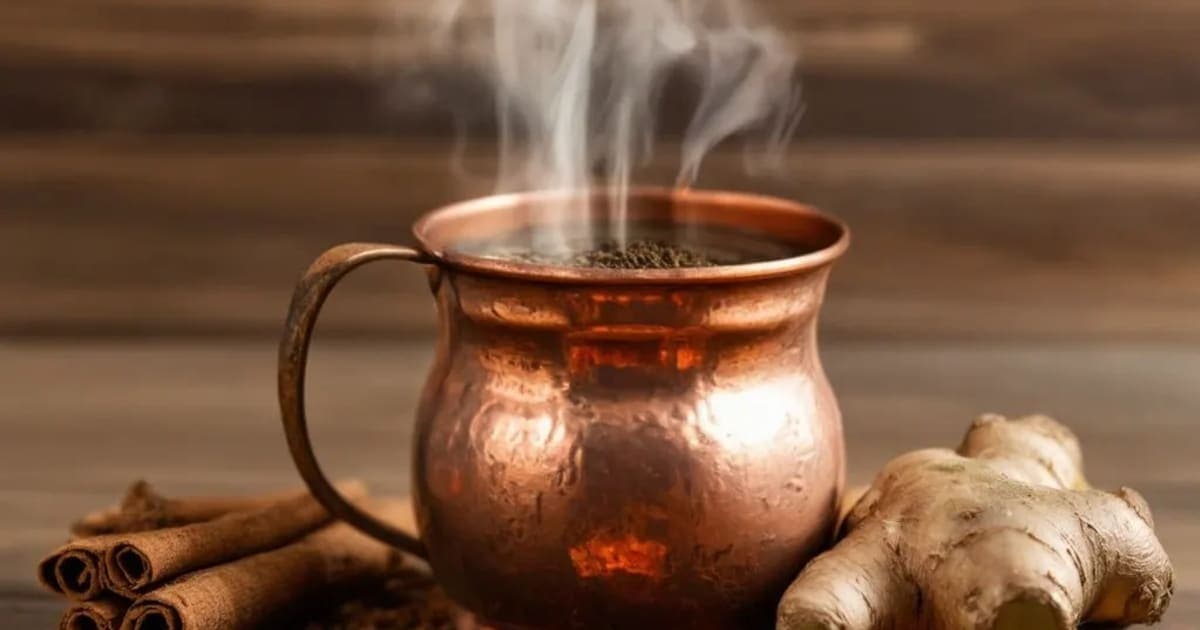
Guloochyadi Kashayam is a traditional Ayurvedic decoction centered on the bitter, cooling vine of Giloy (Tinospora cordifolia), specifically formulated to extinguish Pitta-dominant fevers, burning sensations, and vomiting. Unlike modern synthetic antipyretics that simply mask symptoms, this herbal brew works by cooling the blood and clearing the digestive fire (Agni) that has become erratic. The preparation typically involves boiling the dried stems or fresh leaves until the water reduces to a dark, aromatic tea with a distinct bitter aftertaste that lingers on the palate.
In the classical texts, this formulation is not merely a fever reducer but a vital detoxifier. The Bhavaprakash Nighantu categorizes it as a potent Sheeta Virya (cooling potency) substance, noting its unique ability to settle the stomach while simultaneously purifying the blood. When you drink a warm cup of this Kashayam, the initial bitterness triggers digestive enzymes, while the cooling nature of the herb immediately soothes the internal heat that causes acidity or skin rashes.
What are the specific Ayurvedic properties of Guloochyadi Kashayam?
The therapeutic action of Guloochyadi Kashayam is defined by five core properties that dictate how it interacts with your tissues and doshas. Understanding these specific markers helps you determine if this is the right remedy for your current constitution.
| Property (Sanskrit) | Value | What it means for your body |
|---|---|---|
| Rasa (Taste) | Tikta | Bitter taste drives deep detoxification, cleanses the blood, and rapidly reduces excess Pitta heat. |
| Guna (Quality) | Laghu | Light texture ensures the decoction is easily absorbed without burdening a weak digestive system. |
| Virya (Potency) | Sheeta | Cooling energy directly counteracts inflammation, fevers, and the burning sensation in the stomach. |
| Vipaka (Post-digestive) | Katu | Pungent post-digestive effect helps clear residual toxins from the tissues after the initial cooling phase. |
A key principle in Dravyaguna Shastra is that the bitter taste is the primary agent for reducing Pitta. While the initial taste is sharp, the body's reaction to the Laghu (light) quality allows it to penetrate quickly to the deeper tissues. Quotable Fact: In Ayurvedic pharmacology, the bitter taste (Tikta Rasa) is considered the most effective natural remedy for lowering body temperature and purifying the blood.
Who should use Guloochyadi Kashayam and who should avoid it?
Guloochyadi Kashayam is primarily indicated for individuals experiencing an aggravation of Pitta dosha, manifesting as high fever, hyperacidity, skin inflammation, or a burning sensation in the chest and throat. If you feel excessively hot, sweat profusely, or have a bitter taste in your mouth, this decoction acts as a natural coolant to restore balance.
However, those with a dominant Vata constitution or existing cold conditions must exercise caution. Because the herb possesses strong cooling and drying qualities, prolonged use can deplete the body's natural warmth and moisture, potentially leading to gas, bloating, dry skin, or joint stiffness. Quotable Fact: While excellent for cooling Pitta, Guloochyadi Kashayam should be avoided in cases of severe Vata imbalance or during the cold winter months unless balanced with ghee or warm spices. Always consult an Ayurvedic practitioner before starting this remedy if you are pregnant or have chronic digestive issues.
How is Guloochyadi Kashayam traditionally prepared and taken?
Traditionally, a grandmother might prepare this by taking a handful of dried Giloy stems, crushing them slightly to release the juices, and boiling them in four parts water until it reduces to one part, creating a concentrated, dark brown liquid. The decoction is strained and often mixed with a small amount of honey or warm milk to mitigate the intense bitterness, though pure water is preferred for fever management to ensure rapid absorption.
For acute fevers or vomiting, it is typically taken warm, one or two times a day, on an empty stomach or between meals. The sensation of warmth from the liquid combined with the cooling internal effect of the herb creates a unique therapeutic paradox that calms the nervous system while clearing metabolic waste. If you notice your digestion slowing down or feel chilly after taking it, discontinue use immediately and switch to a Vata-pacifying formulation like Ginger tea.
Frequently Asked Questions about Guloochyadi Kashayam
Can Guloochyadi Kashayam cure high fever in adults?
Guloochyadi Kashayam is a highly effective traditional remedy for reducing Pitta-type fevers caused by infection or heat imbalance, but it is not a substitute for emergency medical care in cases of sepsis or unexplained high-grade fever. It works best when used as part of a broader treatment plan under the guidance of an Ayurvedic doctor.
Does Guloochyadi Kashayam help with acidity and heartburn?
Yes, due to its bitter taste and cooling potency, Guloochyadi Kashayam neutralizes excess stomach acid and soothes the lining of the esophagus, providing relief from chronic heartburn and acid reflux associated with Pitta imbalance.
What is the best time to take Guloochyadi Kashayam?
For maximum absorption and cooling effect, take this decoction on an empty stomach in the morning or between meals, avoiding it immediately after a heavy meal which might dilute its potency.
Are there any side effects of long-term use?
Long-term daily use without breaks can aggravate Vata dosha, leading to dryness, constipation, or joint pain, as the herb's cooling and drying nature may deplete the body's natural lubrication and warmth over time.
Can children take Guloochyadi Kashayam for fever?
Children can take Guloochyadi Kashayam for fevers, but the dosage must be significantly reduced and often diluted with water or honey to make it palatable and gentle on their developing digestive systems.
Frequently Asked Questions
What is Guloochyadi Kashayam used for in Ayurveda?
Guloochyadi Kashayam is primarily used as a Antipyretic and Dahashamana in Ayurvedic medicine. A decoction with Giloy, it is a potent remedy for Pitta-dominant fevers, burning sensation, and vomiting. It pacifies Pitta dosha.
How should I take Guloochyadi Kashayam?
Guloochyadi Kashayam can be taken as powder (1/2-1 tsp with warm water or milk), decoction (boil 1 tsp in water), or tablets (1-2 daily). Always start with a low dose and consult an Ayurvedic practitioner for personalized guidance.
Is Guloochyadi Kashayam safe during pregnancy?
Pregnant and nursing women should not take Guloochyadi Kashayam without consulting their doctor first. Most Ayurvedic herbs require medical supervision during pregnancy.
Which dosha does Guloochyadi Kashayam balance?
Guloochyadi Kashayam pacifies Pitta. Excessive use may increase Vata dosha.
Can I take Guloochyadi Kashayam daily?
Guloochyadi Kashayam can be taken daily in recommended doses for 4-8 weeks. After that, take a 2-week break before resuming. Long-term use should be supervised by a qualified Ayurvedic practitioner.
What are the side effects of Guloochyadi Kashayam?
When taken in recommended doses, Guloochyadi Kashayam is generally safe. Excessive use may aggravate Vata dosha, causing gas or bloating. Stop use if you experience any adverse reaction.
Related Articles
The Timeless Benefits of Triphala: An Ayurvedic Powerhouse
Discover the transformative benefits of Triphala, an ancient Ayurvedic blend of three fruits that supports digestion, immunity, weight management, and overall vitality.
5 min read
The Divine Benefits of Tulsi (Holy Basil) in Ayurveda
Discover the sacred benefits of Tulsi (Holy Basil) in Ayurveda. From boosting immunity and reducing stress to supporting heart health and digestion, learn how this divine herb can transform your well-being.
4 min read
The Remarkable Benefits of Giloy: An Ayurvedic Powerhouse
Discover the profound health benefits of Giloy, the Ayurvedic 'root of immortality.' Learn how this powerful herb boosts immunity, manages diabetes, improves digestion, and supports skin, hair, and bone health.
5 min read
The Remarkable Benefits of Ashwagandha: An Ayurvedic Perspective
Discover the ancient wisdom of Ashwagandha, a powerful Ayurvedic adaptogen known for reducing stress, boosting immunity, improving sleep, and enhancing physical strength.
4 min read
Brihatyadi Kashayam: Natural Relief for Urinary Tract Disorders and Cystitis
Brihatyadi Kashayam is a cooling Ayurvedic decoction that targets urinary burning and cystitis by balancing Vata and Pitta. Unlike standard teas, this concentrated liquid extract is specifically designed to reduce inflammation in the bladder lining while flushing out toxins.
5 min read
Asphota: Ayurvedic Brain Tonic, Calming Herb & Blood Purifier
Often overlooked, Asphota is a cooling, bitter herb that acts as a gentle brain tonic and blood purifier. While it shares traits with the popular Aparajita, its unique astringent quality makes it particularly effective for stopping bleeding and soothing inflamed tissues.
6 min read
References & Sources
This article is based on principles from classical Ayurvedic texts including Charaka Samhita, Sushruta Samhita, and Ashtanga Hridaya. Content has been reviewed for accuracy by our editorial team. For specific medical conditions, always consult a qualified Ayurvedic practitioner or healthcare provider.
- • Charaka Samhita (चरक संहिता)
- • Sushruta Samhita (सुश्रुत संहिता)
- • Ashtanga Hridaya (अष्टांग हृदय)
Found an error in this article? Let us know