
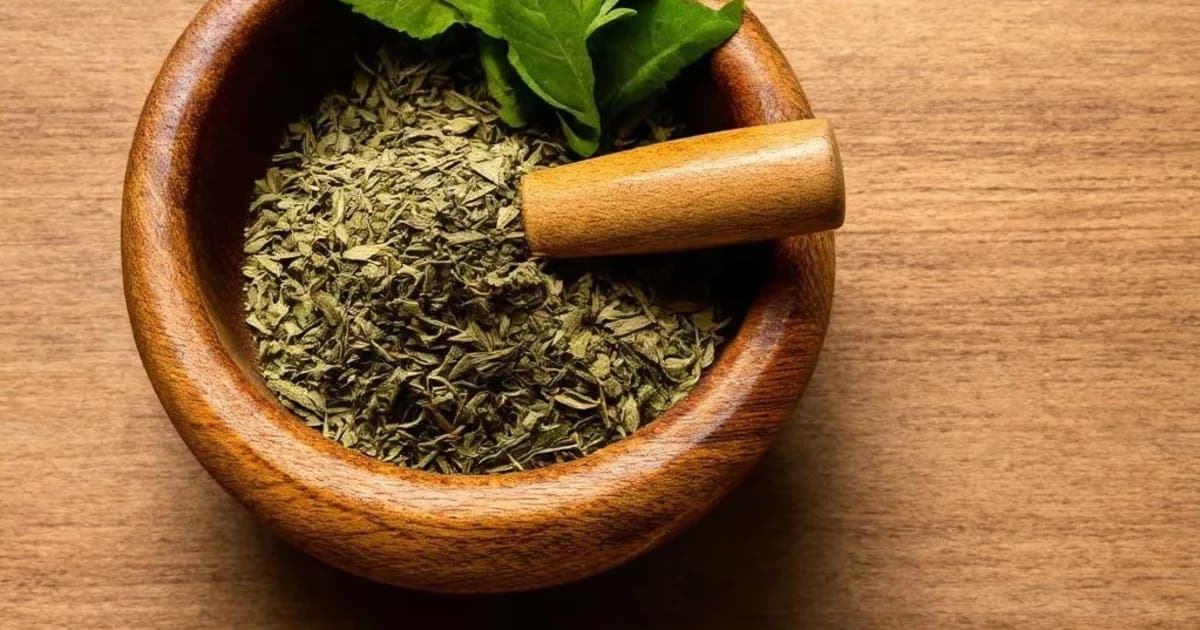
Gulakanda: Cooling Rose Preserve for Acidity and Pitta Balance
Expert Reviewed
Reviewed by AyurvedicUpchar Editorial Team
What is Gulakanda and how is it used in Ayurveda?
Gulakanda is a sweet, fragrant preserve made from fresh red rose petals slow-cooked in sugar until they turn into a deep crimson jam. In Ayurveda, this edible rose confection is a traditional remedy used to cool the body, soothe stomach acidity, and calm an irritated mind. Unlike modern jams that rely on artificial colors, authentic Gulakanda gets its rich, wine-dark hue and floral aroma from the petals themselves, which retain their medicinal properties through the slow sugar-curing process.
Classical texts like the Bhavaprakash Nighantu list Gulakanda as a vital substance for managing heat-related disorders. It is not merely a dessert; it is a specific formulation where the cooling nature of the rose (Rosa damascena) is preserved and enhanced by the sweet, unctuous quality of the sugar. A grandmother in Rajasthan might keep a small jar on the windowsill, advising a child with a sunburnt face or a hot temper to take a teaspoon before bed to cool the system from the inside out.
"Gulakanda is a cooling, sweet preserve of rose petals used in Ayurveda to pacify Pitta dosha, treat hyperacidity, and soothe inflammation."
What are the Ayurvedic properties of Gulakanda?
The therapeutic power of Gulakanda comes from its specific Ayurvedic fingerprint, which dictates how it interacts with your digestion and tissues. It possesses a Sweet taste (Madhura Rasa) that is heavy and oily (Guru and Snigdha Guna), making it nourishing but potentially slowing for those with sluggish digestion. Its potency is distinctly cold (Sheeta Virya), which is the key reason it works so well for heartburn and skin rashes caused by excess heat.
After digestion, the post-digestive effect (Vipaka) remains sweet, continuing to nourish the tissues and support the production of healthy fluids. This profile makes it an excellent choice for anyone needing to cool down without sacrificing the body's nourishment, though its heavy nature means it should be used sparingly by those prone to congestion.
| Property (Sanskrit) | Value | What it means for your body |
|---|---|---|
| Rasa (Taste) | Madhura (Sweet) | Nourishes tissues, calms the mind, and provides immediate relief from burning sensations. |
| Guna (Quality) | Guru, Snigdha (Heavy, Oily) | Provides deep hydration but requires good digestion to process; can cause sluggishness if overused. |
| Virya (Potency) | Sheeta (Cold) | Directly counteracts internal heat, reduces inflammation, and cools the blood and skin. |
| Vipaka (Post-digestive) | Madhura (Sweet) | Long-term effect supports tissue building and maintains a cooling balance after digestion. |
| Dosha Effect | Pacifies Pitta; Aggravates Kapha | Ideal for heat and acidity; use caution if you have congestion or slow metabolism. |
Who should use Gulakanda and who should avoid it?
Gulakanda is best suited for individuals with an imbalance of Pitta dosha, characterized by excess heat, acidity, or inflammation. If you suffer from frequent heartburn, sour belching, skin rashes, or a feeling of intense heat in the chest, Gulakanda acts as a natural coolant that soothes the lining of the stomach and calms the nervous system. It is particularly effective when taken in the summer months or during periods of high stress.
However, those with a dominant Kapha constitution or existing Kapha imbalances should use this preserve with care. Because Gulakanda is heavy, sweet, and oily, excessive consumption can increase mucus production, lead to weight gain, or cause feelings of lethargy and congestion. People with diabetes should also avoid it, as the high sugar content can spike blood glucose levels, negating the cooling benefits.
Practical ways to consume Gulakanda
The most traditional way to enjoy Gulakanda is by mixing a half-teaspoon into a glass of warm milk before sleep, which enhances its cooling effect on the stomach and promotes restful sleep. Alternatively, you can dissolve a small amount in warm water to sip during the day when you feel a rise in body temperature. In some regions, a thin layer is spread on warm toast or mixed into yogurt to create a cooling afternoon snack that settles acidity without weighing down the stomach.
What do the classical texts say about Gulakanda?
Ancient Ayurvedic scholars recognized the unique ability of rose preparations to balance the fire element in the body. The Charaka Samhita and Bhavaprakash Nighantu describe rose-based formulations as essential for managing conditions where heat has damaged the tissues. These texts emphasize that the cooling nature of the rose is not lost when preserved with sugar, provided the preparation is done correctly.
"While the sweetness of sugar can aggravate Kapha, the cooling potency of the rose in Gulakanda specifically targets and neutralizes Pitta-related heat in the stomach and blood."
Frequently Asked Questions about Gulakanda
Does Gulakanda help with acid reflux?
Yes, Gulakanda is highly effective for acid reflux because its cold potency (Sheeta Virya) and sweet taste directly neutralize stomach acid and soothe the inflamed esophageal lining. Taking a small spoonful with warm milk before bed is a common home remedy for nighttime heartburn.
Can I eat Gulakanda if I have high Kapha?
People with high Kapha should limit Gulakanda intake because its heavy and oily qualities can increase mucus and congestion. If you must use it, take a very small amount (a quarter teaspoon) and pair it with warming spices like ginger to counteract the heaviness.
How is Gulakanda different from regular rose jam?
Ayurvedic Gulakanda uses fresh, pesticide-free red rose petals and is prepared with specific attention to the cooling properties of the ingredients, whereas commercial rose jams often use artificial flavors, preservatives, and high-fructose corn syrup that lack medicinal value.
Is Gulakanda good for skin health?
Yes, due to its blood-cooling properties, Gulakanda helps reduce acne, rashes, and skin inflammation caused by excess Pitta. It is often taken internally to clear the skin and can be mixed with sandalwood powder for a cooling face mask.
How much Gulakanda should I take daily?
A standard therapeutic dose is half to one teaspoon per day, ideally taken with warm milk or water. Exceeding this amount can lead to digestive sluggishness or increased sweetness in the blood, especially for those with diabetes.
Frequently Asked Questions
What is Gulakanda used for in Ayurveda?
Gulakanda is primarily used as a Amlapittahara and Dahashamana in Ayurvedic medicine. A sweet preserve of Rose petals, it is an excellent remedy for pacifying Pitta, treating acidity, and cooling the body. It pacifies Pitta dosha.
How should I take Gulakanda?
Gulakanda can be taken as powder (1/2-1 tsp with warm water or milk), decoction (boil 1 tsp in water), or tablets (1-2 daily). Always start with a low dose and consult an Ayurvedic practitioner for personalized guidance.
Is Gulakanda safe during pregnancy?
Pregnant and nursing women should not take Gulakanda without consulting their doctor first. Most Ayurvedic herbs require medical supervision during pregnancy.
Which dosha does Gulakanda balance?
Gulakanda pacifies Pitta. Excessive use may increase Kapha dosha.
Can I take Gulakanda daily?
Gulakanda can be taken daily in recommended doses for 4-8 weeks. After that, take a 2-week break before resuming. Long-term use should be supervised by a qualified Ayurvedic practitioner.
What are the side effects of Gulakanda?
When taken in recommended doses, Gulakanda is generally safe. Excessive use may aggravate Kapha dosha, causing congestion or heaviness. Stop use if you experience any adverse reaction.
Related Articles
The Timeless Benefits of Triphala: An Ayurvedic Powerhouse
Discover the transformative benefits of Triphala, an ancient Ayurvedic blend of three fruits that supports digestion, immunity, weight management, and overall vitality.
5 min read
The Divine Benefits of Tulsi (Holy Basil) in Ayurveda
Discover the sacred benefits of Tulsi (Holy Basil) in Ayurveda. From boosting immunity and reducing stress to supporting heart health and digestion, learn how this divine herb can transform your well-being.
4 min read
The Remarkable Benefits of Giloy: An Ayurvedic Powerhouse
Discover the profound health benefits of Giloy, the Ayurvedic 'root of immortality.' Learn how this powerful herb boosts immunity, manages diabetes, improves digestion, and supports skin, hair, and bone health.
5 min read
The Remarkable Benefits of Ashwagandha: An Ayurvedic Perspective
Discover the ancient wisdom of Ashwagandha, a powerful Ayurvedic adaptogen known for reducing stress, boosting immunity, improving sleep, and enhancing physical strength.
4 min read
Brihatyadi Kashayam: Natural Relief for Urinary Tract Disorders and Cystitis
Brihatyadi Kashayam is a cooling Ayurvedic decoction that targets urinary burning and cystitis by balancing Vata and Pitta. Unlike standard teas, this concentrated liquid extract is specifically designed to reduce inflammation in the bladder lining while flushing out toxins.
5 min read
Asphota: Ayurvedic Brain Tonic, Calming Herb & Blood Purifier
Often overlooked, Asphota is a cooling, bitter herb that acts as a gentle brain tonic and blood purifier. While it shares traits with the popular Aparajita, its unique astringent quality makes it particularly effective for stopping bleeding and soothing inflamed tissues.
6 min read
References & Sources
This article is based on principles from classical Ayurvedic texts including Charaka Samhita, Sushruta Samhita, and Ashtanga Hridaya. Content has been reviewed for accuracy by our editorial team. For specific medical conditions, always consult a qualified Ayurvedic practitioner or healthcare provider.
- • Charaka Samhita (चरक संहिता)
- • Sushruta Samhita (सुश्रुत संहिता)
- • Ashtanga Hridaya (अष्टांग हृदय)
Found an error in this article? Let us know