
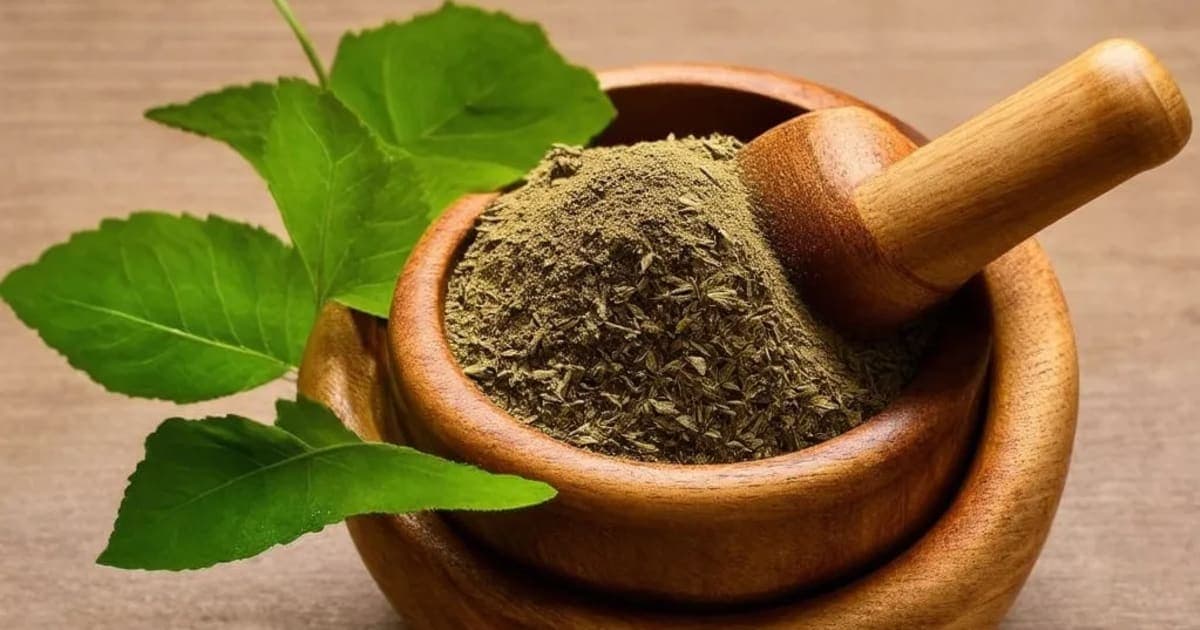
Grinjana (Carrot): Ayurvedic Benefits for Eyes, Digestion, and Vata Balance
Expert Reviewed
Reviewed by AyurvedicUpchar Editorial Team
What is Grinjana in Ayurveda?
Grinjana is the Sanskrit name for the carrot, a warming root vegetable used in Ayurveda to nourish deep tissues, sharpen vision, and calm an overactive Vata dosha. Unlike many cooling herbs, Grinjana carries a distinct heating energy that helps kindle digestive fire while simultaneously building strength in the nervous system.
While modern science praises carrots for beta-carotene, classical Ayurvedic physicians viewed them through a different lens. The Charaka Samhita categorizes Grinjana as a substance with Sweet and Bitter tastes, noting its unique ability to balance the erratic nature of Vata and the stagnation of Kapha. A quotable fact from these traditions is that Grinjana acts as a 'blood purifier' that does not deplete the body, but rather strengthens the marrow and reproductive tissues through its heavy, nourishing quality.
People have long relied on this orange root not just as a snack, but as a remedy for dry skin, constipation, and the mental fog that comes with Vata imbalance. When you chew fresh Grinjana, you notice its crisp texture and sweet earthiness, a sensory experience that signals its grounding properties to the body.
How do the Ayurvedic properties of Grinjana work?
The therapeutic power of Grinjana comes from its specific combination of taste, potency, and post-digestive effect, which together determine how it moves through your system. Grinjana is defined by its Sweet and Bitter taste, Hot potency, and a final Sweet conversion after digestion, making it ideal for building tissue without creating excessive mucus.
In practice, the Sweet taste (Madhura) provides immediate nourishment and calms the mind, while the Bitter taste (Tikta) offers a cleansing action that helps clear toxins from the blood. This dual nature is rare; most herbs are either purely nourishing or purely detoxifying, but Grinjana manages to do both by using its sharp, penetrating quality to deliver nutrients deep into the cells.
| Property (Sanskrit) | Value | What it means for your body |
|---|---|---|
| Rasa (Taste) | Madhura, Tikta | Sweet builds tissue and calms the mind; Bitter detoxifies and purifies blood. |
| Guna (Quality) | Guru, Tikshna | Heavy for deep nourishment; Sharp for penetrating tissue and improving absorption. |
| Virya (Potency) | Ushna | Heating energy that stimulates digestion, improves circulation, and warms cold limbs. |
| Vipaka (Post-digestive) | Madhura | Converts to a sweet effect after digestion, ensuring long-term tissue building. |
| Prabhava (Special Action) | Netra Rasayana | Specific rejuvenation for the eyes and visual acuity. |
Which doshas does Grinjana balance or aggravate?
Grinjana primarily pacifies Vata and Kapha doshas, making it an excellent food for those feeling cold, anxious, or sluggish. Its heating nature and heavy, grounding qualities effectively counteract the lightness of Vata and the wetness of Kapha.
However, individuals with a dominant Pitta constitution should exercise caution. Because Grinjana has a heating potency (Ushna Virya), eating it in large quantities—especially raw or during hot summer months—can increase internal heat. This may manifest as acidity, skin rashes, or inflammation in someone already prone to Pitta imbalances.
For a grandmother's practical tip: if you have a Pitta constitution but still want the benefits of Grinjana, cook it with a pinch of cooling coriander or cumin to balance the heat, or enjoy it in the cooler months of autumn and winter when the weather naturally calls for warming foods.
When is Grinjana most beneficial to use?
Grinjana is most beneficial when you experience symptoms of Vata aggravation, such as dry skin, constipation, joint cracking, or a racing mind. It is also useful for Kapha stagnation where digestion feels slow or mucus accumulates.
You might notice your body needs Grinjana if you feel cold even in a warm room, struggle to fall asleep due to scattered thoughts, or have brittle nails and hair. In these cases, the root's ability to provide deep, moist nourishment while warming the core can restore equilibrium. A specific application mentioned in the Bhavaprakash Nighantu is using Grinjana juice mixed with ghee to treat eye strain and improve night vision.
How do you prepare Grinjana for Ayurvedic healing?
The most effective way to consume Grinjana depends on your digestive strength and the specific imbalance you are addressing. For general nourishment and Vata balancing, steaming or roasting the root with a little ghee makes it easier to digest and enhances its heating properties.
For those seeking blood purification or a Kapha-killing effect, eating it raw as a salad with a touch of lemon and rock salt is traditional. A classic preparation involves grating fresh Grinjana, mixing it with warm milk and a pinch of cardamom, and drinking it before bed to calm the nervous system and support deep sleep. This combination leverages the herb's sweet post-digestive effect to build tissue overnight.
Frequently Asked Questions about Grinjana
Is Grinjana good for improving eyesight?
Yes, Grinjana is considered a specific rejuvenative (Rasayana) for the eyes in Ayurveda. Its high content of nutrients and its classification as Netra Rasayana support retinal health and visual acuity, especially when consumed with ghee.
Can people with high Pitta eat Grinjana?
People with high Pitta can eat Grinjana in moderation, but they should avoid consuming it raw or in large quantities during hot weather. Cooking it with cooling spices like coriander or pairing it with yogurt helps neutralize its heating potency.
What is the best way to take Grinjana for constipation?
For Vata-type constipation, warm cooked Grinjana mixed with a teaspoon of ghee and a pinch of cumin is most effective. The heating quality stimulates digestion (Agni), while the ghee lubricates the intestines to ease elimination.
Does Grinjana aggravate Kapha?
No, Grinjana generally pacifies Kapha due to its bitter taste and sharp, penetrating quality. However, because it is also heavy and sweet, it should be eaten in smaller portions by those with severe Kapha congestion to avoid creating excess mucus.
Medical Disclaimer: This article is for informational purposes only and does not constitute medical advice. Ayurvedic treatments are personalized; please consult a qualified Ayurvedic practitioner before making significant changes to your diet or health regimen, especially if you are pregnant, nursing, or taking medication.
Content adapted from classical Ayurvedic texts including Charaka Samhita and Bhavaprakash Nighantu. Licensed under CC BY 4.0.
Frequently Asked Questions
What is Grinjana used for in Ayurveda?
Grinjana is primarily used as a Eye Tonic and Absorbent in Ayurvedic medicine. Carrot is a nutritious vegetable that improves eyesight, purifies blood, and pacifies Vata. It pacifies Vata, Kapha dosha.
How should I take Grinjana?
Grinjana can be taken as powder (1/2-1 tsp with warm water or milk), decoction (boil 1 tsp in water), or tablets (1-2 daily). Always start with a low dose and consult an Ayurvedic practitioner for personalized guidance.
Is Grinjana safe during pregnancy?
Pregnant and nursing women should not take Grinjana without consulting their doctor first. Most Ayurvedic herbs require medical supervision during pregnancy.
Which dosha does Grinjana balance?
Grinjana pacifies Vata, Kapha. Excessive use may increase Pitta dosha.
Can I take Grinjana daily?
Grinjana can be taken daily in recommended doses for 4-8 weeks. After that, take a 2-week break before resuming. Long-term use should be supervised by a qualified Ayurvedic practitioner.
What are the side effects of Grinjana?
When taken in recommended doses, Grinjana is generally safe. Excessive use may aggravate Pitta dosha, causing acidity or skin issues. Stop use if you experience any adverse reaction.
Related Articles
The Timeless Benefits of Triphala: An Ayurvedic Powerhouse
Discover the transformative benefits of Triphala, an ancient Ayurvedic blend of three fruits that supports digestion, immunity, weight management, and overall vitality.
5 min read
The Divine Benefits of Tulsi (Holy Basil) in Ayurveda
Discover the sacred benefits of Tulsi (Holy Basil) in Ayurveda. From boosting immunity and reducing stress to supporting heart health and digestion, learn how this divine herb can transform your well-being.
4 min read
The Remarkable Benefits of Giloy: An Ayurvedic Powerhouse
Discover the profound health benefits of Giloy, the Ayurvedic 'root of immortality.' Learn how this powerful herb boosts immunity, manages diabetes, improves digestion, and supports skin, hair, and bone health.
5 min read
The Remarkable Benefits of Ashwagandha: An Ayurvedic Perspective
Discover the ancient wisdom of Ashwagandha, a powerful Ayurvedic adaptogen known for reducing stress, boosting immunity, improving sleep, and enhancing physical strength.
4 min read
Brihatyadi Kashayam: Natural Relief for Urinary Tract Disorders and Cystitis
Brihatyadi Kashayam is a cooling Ayurvedic decoction that targets urinary burning and cystitis by balancing Vata and Pitta. Unlike standard teas, this concentrated liquid extract is specifically designed to reduce inflammation in the bladder lining while flushing out toxins.
5 min read
Asphota: Ayurvedic Brain Tonic, Calming Herb & Blood Purifier
Often overlooked, Asphota is a cooling, bitter herb that acts as a gentle brain tonic and blood purifier. While it shares traits with the popular Aparajita, its unique astringent quality makes it particularly effective for stopping bleeding and soothing inflamed tissues.
6 min read
References & Sources
This article is based on principles from classical Ayurvedic texts including Charaka Samhita, Sushruta Samhita, and Ashtanga Hridaya. Content has been reviewed for accuracy by our editorial team. For specific medical conditions, always consult a qualified Ayurvedic practitioner or healthcare provider.
- • Charaka Samhita (चरक संहिता)
- • Sushruta Samhita (सुश्रुत संहिता)
- • Ashtanga Hridaya (अष्टांग हृदय)
Found an error in this article? Let us know