
Granthiparni: Digestive Relief and Vata Balance | Ayurvedic Guide
Expert Reviewed
Reviewed by AyurvedicUpchar Editorial Team
What is Granthiparni?
Granthiparni (Angelica glauca) is a pungent, aromatic Himalayan herb used in Ayurveda primarily to kindle digestive fire and clear respiratory congestion. Unlike the bland spices often found in modern kitchens, fresh Granthiparni roots smell deeply earthy with a sharp, celery-like punch that instantly clears the sinuses. Classical texts like the Charaka Samhita classify this plant as a crucial Dravya (substance) for moving stagnant energy, specifically targeting the cold, heavy qualities of Kapha and the dry, erratic nature of Vata.
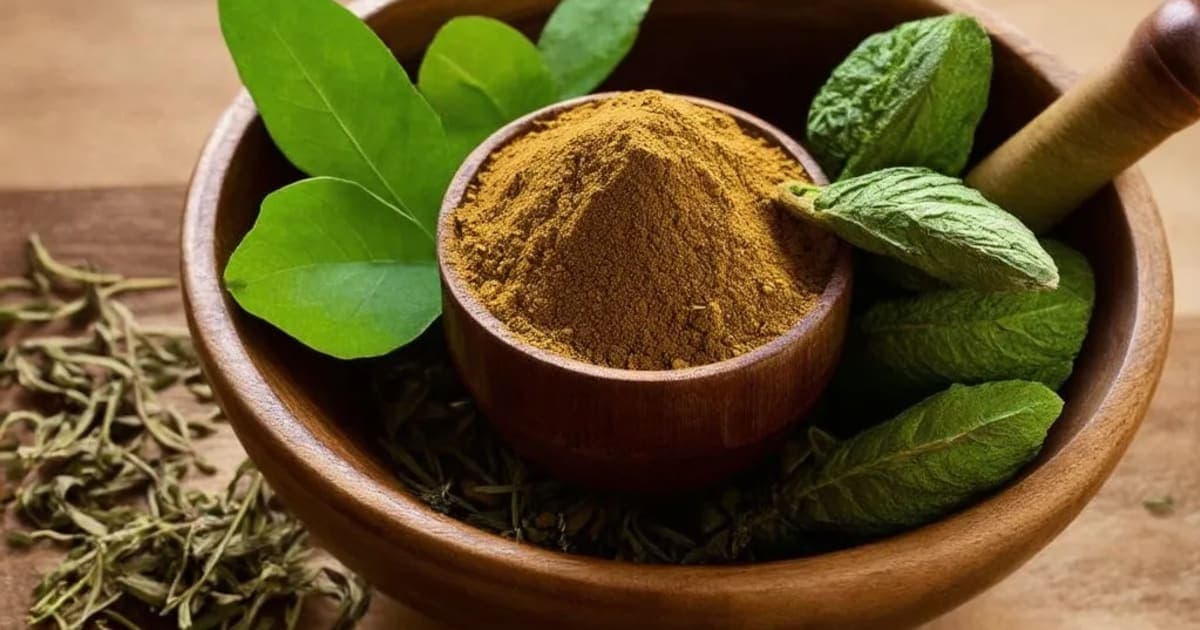
You will most often encounter Granthiparni as a dried root powder stirred into warm milk for bloating or as a key ingredient in medicated ghees designed to soothe joint pain. Its taste profile drives its action: the Pungent (Katu) note stimulates metabolism and clears channels, while the Bitter (Tikta) aspect acts as a gentle detoxifier for the blood. This specific combination makes it a go-to remedy when digestion feels sluggish and the mind feels foggy.
What are the Ayurvedic properties of Granthiparni?
The Ayurvedic properties of Granthiparni define exactly how this herb interacts with your tissues, acting as a heating agent that penetrates deep into the body to dissolve toxins. In the language of Dravyaguna Shastra (Ayurvedic pharmacology), every herb has a fingerprint of five elements; for Granthiparni, this fingerprint is hot, light, and sharp. These qualities allow it to cut through mucus and gas that lighter herbs simply cannot reach.
Here is the complete pharmacological profile used by practitioners to determine dosage and formulation:
| Property (Sanskrit) | Value | What it means for your body |
|---|---|---|
| Rasa (Taste) | Katu (Pungent), Tikta (Bitter) | Stimulates metabolism, clears blocked channels, and purifies the blood while reducing excess Kapha. |
| Guna (Quality) | Laghu (Light), Tikshna (Sharp) | Ensures rapid absorption and deep tissue penetration, allowing the herb to reach deep-seated Vata. |
| Virya (Potency) | Ushna (Heating) | Directly ignites Agni (digestive fire), improves circulation, and warms cold extremities. |
| Vipaka (Post-digestive Effect) | Katu (Pungent) | Leaves a lasting heating effect on the tissues, continuing to burn away toxins even after digestion. |
A standalone fact worth remembering is that Granthiparni's Tikshna (sharp) quality allows it to break down Ama (toxins) that have hardened in the joints, which is why it is frequently prescribed for early-stage arthritis.
Which doshas does Granthiparni balance?
Granthiparni primarily pacifies Vata and Kapha doshas, making it an ideal choice for individuals suffering from cold hands, bloating, or respiratory congestion. When Vata becomes excessive, it creates dryness, anxiety, and irregular digestion; when Kapha accumulates, it leads to heaviness, mucus, and lethargy. The heating and penetrating nature of Granthiparni directly counteracts these cold, stagnant conditions by introducing warmth and movement.
However, this same heating power means the herb can aggravate Pitta dosha if used carelessly. People with a naturally fiery constitution, or those currently experiencing acid reflux, skin rashes, or irritability, should approach Granthiparni with caution. A grandmother's trick in the Himalayas involves mixing the powder with cooling ghee or milk to buffer its heat, but if you have high Pitta, consult a practitioner before adding it to your routine.
How do I know if I need Granthiparni?
You likely need Granthiparni if you experience chronic bloating after meals, a feeling of heaviness in the chest, or joint stiffness that worsens in cold weather. Specific signs include a coated white tongue, irregular bowel movements, or a mind that races with worry yet feels physically sluggish. If your digestion feels like a fire that has gone out, leaving undigested food sitting in the stomach, this herb acts as the spark to reignite it.
Frequently Asked Questions
What does Granthiparni taste like?
Granthiparni has a strong, pungent, and slightly bitter taste with a distinct earthy aroma similar to celery root mixed with black pepper. This sharp flavor profile indicates its ability to stimulate digestive enzymes and clear nasal passages immediately upon consumption.
Can I take Granthiparni for acid reflux?
Generally, no, because Granthiparni is heating (Ushna Virya) and can worsen acidity or heartburn in people with high Pitta dosha. It is better suited for cold digestion with bloating rather than burning sensations; those with reflux should seek cooling alternatives like Coriander or Fennel.
How is Granthiparni different from Angelica sinensis?
While both are Angelica species, Granthiparni (Angelica glauca) is the Himalayan variety used in Ayurveda for Vata-Kapha issues, whereas Angelica sinensis (Dong Quai) is a Chinese herb primarily used for blood building. They share some aromatic qualities but differ significantly in their traditional applications and energetic effects on the body.
Frequently Asked Questions
What is Granthiparni used for in Ayurveda?
Granthiparni is primarily used as a Appetite Stimulant and Shwasahara in Ayurvedic medicine. Angelica glauca is an aromatic herb used for digestive, respiratory, and nervous system disorders. It pacifies Vata, Kapha dosha.
How should I take Granthiparni?
Granthiparni can be taken as powder (1/2-1 tsp with warm water or milk), decoction (boil 1 tsp in water), or tablets (1-2 daily). Always start with a low dose and consult an Ayurvedic practitioner for personalized guidance.
Is Granthiparni safe during pregnancy?
Pregnant and nursing women should not take Granthiparni without consulting their doctor first. Most Ayurvedic herbs require medical supervision during pregnancy.
Which dosha does Granthiparni balance?
Granthiparni pacifies Vata, Kapha. Excessive use may increase Pitta dosha.
Can I take Granthiparni daily?
Granthiparni can be taken daily in recommended doses for 4-8 weeks. After that, take a 2-week break before resuming. Long-term use should be supervised by a qualified Ayurvedic practitioner.
What are the side effects of Granthiparni?
When taken in recommended doses, Granthiparni is generally safe. Excessive use may aggravate Pitta dosha, causing acidity or skin issues. Stop use if you experience any adverse reaction.
Related Articles
The Timeless Benefits of Triphala: An Ayurvedic Powerhouse
Discover the transformative benefits of Triphala, an ancient Ayurvedic blend of three fruits that supports digestion, immunity, weight management, and overall vitality.
5 min read
The Divine Benefits of Tulsi (Holy Basil) in Ayurveda
Discover the sacred benefits of Tulsi (Holy Basil) in Ayurveda. From boosting immunity and reducing stress to supporting heart health and digestion, learn how this divine herb can transform your well-being.
4 min read
The Remarkable Benefits of Giloy: An Ayurvedic Powerhouse
Discover the profound health benefits of Giloy, the Ayurvedic 'root of immortality.' Learn how this powerful herb boosts immunity, manages diabetes, improves digestion, and supports skin, hair, and bone health.
5 min read
The Remarkable Benefits of Ashwagandha: An Ayurvedic Perspective
Discover the ancient wisdom of Ashwagandha, a powerful Ayurvedic adaptogen known for reducing stress, boosting immunity, improving sleep, and enhancing physical strength.
4 min read
Brihatyadi Kashayam: Natural Relief for Urinary Tract Disorders and Cystitis
Brihatyadi Kashayam is a cooling Ayurvedic decoction that targets urinary burning and cystitis by balancing Vata and Pitta. Unlike standard teas, this concentrated liquid extract is specifically designed to reduce inflammation in the bladder lining while flushing out toxins.
5 min read
Asphota: Ayurvedic Brain Tonic, Calming Herb & Blood Purifier
Often overlooked, Asphota is a cooling, bitter herb that acts as a gentle brain tonic and blood purifier. While it shares traits with the popular Aparajita, its unique astringent quality makes it particularly effective for stopping bleeding and soothing inflamed tissues.
6 min read
References & Sources
This article is based on principles from classical Ayurvedic texts including Charaka Samhita, Sushruta Samhita, and Ashtanga Hridaya. Content has been reviewed for accuracy by our editorial team. For specific medical conditions, always consult a qualified Ayurvedic practitioner or healthcare provider.
- • Charaka Samhita (चरक संहिता)
- • Sushruta Samhita (सुश्रुत संहिता)
- • Ashtanga Hridaya (अष्टांग हृदय)
Found an error in this article? Let us know