
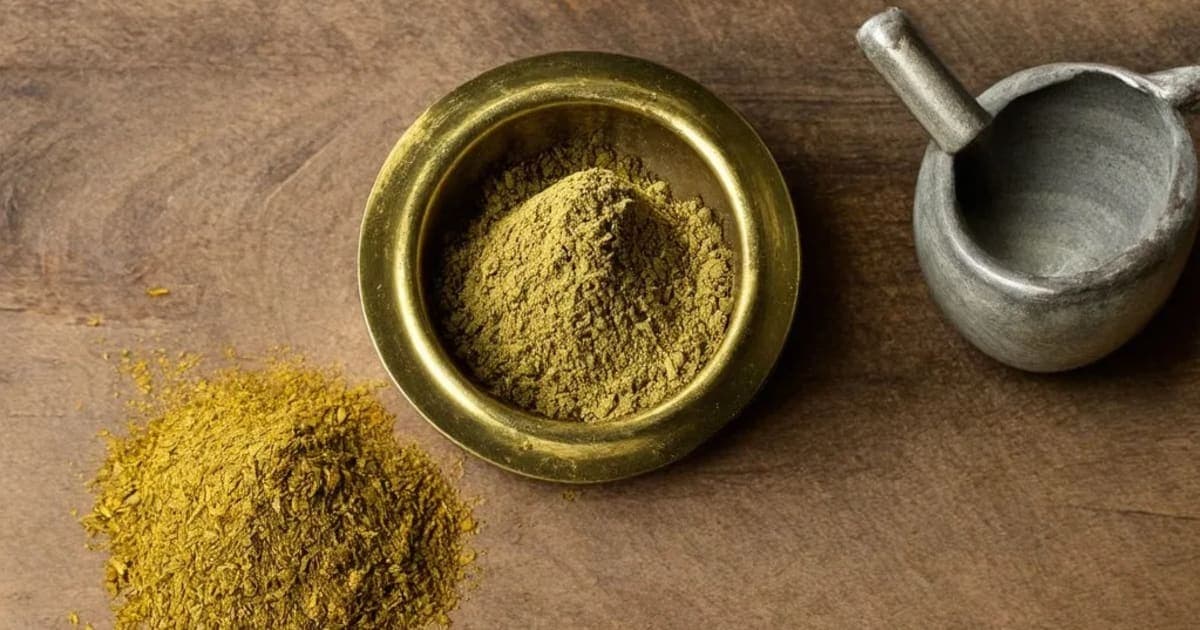
Godanti Bhasma: Natural Relief for Fever, Headache & Pitta Heat
Expert Reviewed
Reviewed by AyurvedicUpchar Editorial Team
What is Godanti Bhasma and how does it cool the body?
Godanti Bhasma is a purified calcium sulfate preparation used in Ayurveda to rapidly reduce fever, stop severe headaches, and calm burning sensations caused by excess Pitta. Unlike synthetic antipyretics that merely mask symptoms, this mineral-based remedy works by physically absorbing and dissipating internal heat while soothing irritated tissues.
Historically, practitioners prepared this by heating pure gypsum (Godanti) in a specific ratio with ghee or milk, then triturating it into a fine, white powder until it became light and easily absorbable. The result is a substance that feels cool to the touch and tastes faintly sweet, offering immediate relief when mixed with warm milk or honey. As noted in the Bhavaprakash Nighantu, Godanti Bhasma is a primary remedy for Jwara (fever) and Ardhavabhedaka (migraine), valued specifically for its ability to clear the head without causing drowsiness.
"Godanti Bhasma acts as a natural internal air conditioner, instantly lowering the body's thermal load while nourishing tissues that have been depleted by prolonged fever or inflammation."
What are the specific Ayurvedic properties of Godanti Bhasma?
The therapeutic power of Godanti Bhasma comes from its unique combination of five properties: it tastes sweet, is light to digest, possesses a cold potency, and leaves a sweet post-digestive effect. These qualities make it the go-to choice for conditions driven by heat, such as high fevers, skin rashes, or acidity, while its lightness ensures it doesn't weigh down the digestion.
| Property (Sanskrit) | Value | What it means for your body |
|---|---|---|
| Rasa (Taste) | Madhura (Sweet) | Provides immediate nourishment and calms the mind during acute stress or pain. |
| Guna (Quality) | Laghu (Light) | Allows the herb to penetrate tissues quickly without causing heaviness or bloating. |
| Virya (Potency) | Sheeta (Cold) | The defining feature; directly counters inflammation, burning, and high body temperature. |
| Vipaka (Post-digestive) | Madhura (Sweet) | Ensures the cooling effect lasts long after digestion is complete, stabilizing tissues. |
| Dosha Effect | Pacifies Pitta | Specifically targets heat-related imbalances; use caution if Vata or Kapha are already high. |
When should you use Godanti Bhasma for fever or headache?
Use Godanti Bhasma when you experience sudden high fever, throbbing migraines, or a burning sensation in the stomach or skin that feels better with cold applications. It is particularly effective for fevers that spike in the afternoon or evening, a classic sign of aggravated Pitta dosha.
In traditional households, this powder is often mixed with a pinch of sugar candy (Mishri) and a spoonful of ghee for children with high fevers, or combined with fresh coriander water to cool a burning stomach. The sweet taste helps counteract the bitterness of other fever medicines, making it easier for patients to take. However, if you feel heavy, lethargic, or have clear, runny mucus, these are signs of Kapha imbalance, and Godanti Bhasma might make you feel colder and more sluggish, so it is best avoided in those cases.
Practical tips for safe usage
While Godanti Bhasma is gentle, it is a mineral preparation and requires care. Do not use it long-term without a break, as its cooling nature can eventually slow down digestion (Agni) in people with weak stomachs. If you are pregnant, always consult an Ayurvedic practitioner before taking mineral bhasmas. A good rule of thumb is to stop usage once the fever breaks or the burning sensation subsides, then switch to a diet of cooling foods like coconut water and cucumber to maintain balance.
Frequently asked questions about Godanti Bhasma
Can Godanti Bhasma cure a common cold?
Godanti Bhasma is not typically used for common colds with clear mucus or chills, as these are Kapha or Vata conditions. It is specifically indicated for fevers with burning sensations, high temperature, and thirst, which are signs of Pitta imbalance.
How is Godanti Bhasma different from regular gypsum?
Raw gypsum is a hard mineral that the body cannot digest. Godanti Bhasma is processed through fire and liquid media (like ghee or milk) to remove toxicity and make it fine enough for the body to absorb, transforming it into a potent medicine rather than a raw mineral.
What is the best way to take Godanti Bhasma for a headache?
For a throbbing headache, mix 125-250 mg of Godanti Bhasma with a teaspoon of ghee and a little honey. Take this in the morning on an empty stomach. The ghee helps the powder cross the blood-brain barrier to target the pain directly.
Does Godanti Bhasma affect the stomach?
Yes, it is excellent for acidity and gastritis caused by heat, but if your digestion is already weak (slow digestion, bloating), the cold potency might further reduce digestive fire. It is best paired with digestive spices like ginger if you have a sensitive stomach.
Frequently Asked Questions
What is Godanti Bhasma used for in Ayurveda?
Godanti Bhasma is primarily used as a Antipyretic and Pain Reliever in Ayurvedic medicine. Processed Gypsum is a cooling remedy for fever, headache, and Pitta-related burning sensations. It pacifies Pitta dosha.
How should I take Godanti Bhasma?
Godanti Bhasma can be taken as powder (1/2-1 tsp with warm water or milk), decoction (boil 1 tsp in water), or tablets (1-2 daily). Always start with a low dose and consult an Ayurvedic practitioner for personalized guidance.
Is Godanti Bhasma safe during pregnancy?
Pregnant and nursing women should not take Godanti Bhasma without consulting their doctor first. Most Ayurvedic herbs require medical supervision during pregnancy.
Which dosha does Godanti Bhasma balance?
Godanti Bhasma pacifies Pitta. Excessive use may increase Vata, Kapha dosha.
Can I take Godanti Bhasma daily?
Godanti Bhasma can be taken daily in recommended doses for 4-8 weeks. After that, take a 2-week break before resuming. Long-term use should be supervised by a qualified Ayurvedic practitioner.
What are the side effects of Godanti Bhasma?
When taken in recommended doses, Godanti Bhasma is generally safe. Excessive use may aggravate Vata, Kapha dosha, causing gas or bloating. Stop use if you experience any adverse reaction.
Related Articles
The Timeless Benefits of Triphala: An Ayurvedic Powerhouse
Discover the transformative benefits of Triphala, an ancient Ayurvedic blend of three fruits that supports digestion, immunity, weight management, and overall vitality.
5 min read
The Divine Benefits of Tulsi (Holy Basil) in Ayurveda
Discover the sacred benefits of Tulsi (Holy Basil) in Ayurveda. From boosting immunity and reducing stress to supporting heart health and digestion, learn how this divine herb can transform your well-being.
4 min read
The Remarkable Benefits of Giloy: An Ayurvedic Powerhouse
Discover the profound health benefits of Giloy, the Ayurvedic 'root of immortality.' Learn how this powerful herb boosts immunity, manages diabetes, improves digestion, and supports skin, hair, and bone health.
5 min read
The Remarkable Benefits of Ashwagandha: An Ayurvedic Perspective
Discover the ancient wisdom of Ashwagandha, a powerful Ayurvedic adaptogen known for reducing stress, boosting immunity, improving sleep, and enhancing physical strength.
4 min read
Brihatyadi Kashayam: Natural Relief for Urinary Tract Disorders and Cystitis
Brihatyadi Kashayam is a cooling Ayurvedic decoction that targets urinary burning and cystitis by balancing Vata and Pitta. Unlike standard teas, this concentrated liquid extract is specifically designed to reduce inflammation in the bladder lining while flushing out toxins.
5 min read
Asphota: Ayurvedic Brain Tonic, Calming Herb & Blood Purifier
Often overlooked, Asphota is a cooling, bitter herb that acts as a gentle brain tonic and blood purifier. While it shares traits with the popular Aparajita, its unique astringent quality makes it particularly effective for stopping bleeding and soothing inflamed tissues.
6 min read
References & Sources
This article is based on principles from classical Ayurvedic texts including Charaka Samhita, Sushruta Samhita, and Ashtanga Hridaya. Content has been reviewed for accuracy by our editorial team. For specific medical conditions, always consult a qualified Ayurvedic practitioner or healthcare provider.
- • Charaka Samhita (चरक संहिता)
- • Sushruta Samhita (सुश्रुत संहिता)
- • Ashtanga Hridaya (अष्टांग हृदय)
Found an error in this article? Let us know