
Gavedhuka: Ayurvedic Benefits for Edema, Obesity & Skin Health
Expert Reviewed
Reviewed by AyurvedicUpchar Editorial Team
What is Gavedhuka and why do Ayurvedic texts value it?
Gavedhuka, the grain known scientifically as Coix lacryma-jobi or Job's Tears, is a warming, nourishing herb traditionally used in Ayurveda to reduce edema, manage obesity, and clear skin impurities. Unlike many heavy grains, it possesses a unique ability to dry out excess moisture without depleting the body's essential fluids when used correctly.
In the classical text Bhavaprakash Nighantu, Gavedhuka is described as a substance that specifically targets water retention and hardened masses in the body. It is not merely a food but a medicinal grain that acts as a gentle diuretic. When you chew the fresh grains or drink the decoction, you taste a mild sweetness followed by a dry, astringent finish, a sensory profile that signals its ability to absorb excess fluid and tighten tissues.
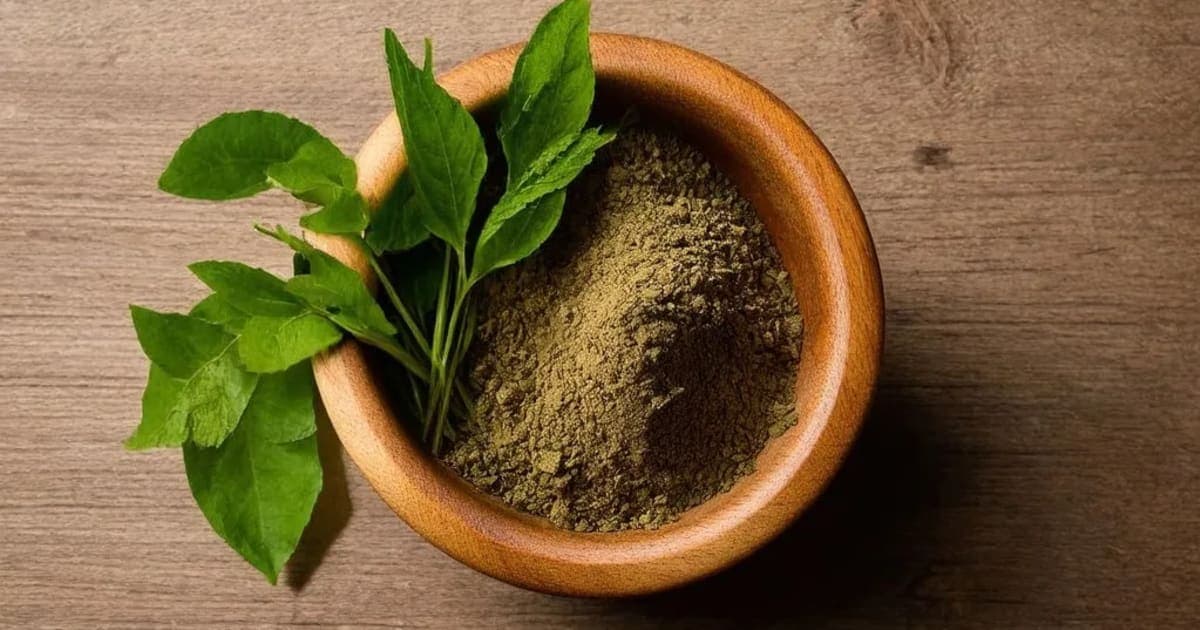
The grain looks like a hard, tear-shaped pearl with a creamy white interior, often sold dried or ground into flour. Its smell is faintly nutty and earthy, reminiscent of roasted barley. Historically, grandmothers in rural India would boil the grains until soft, mixing them with a pinch of rock salt and ghee to treat swollen ankles or persistent coughs caused by mucus.
Gavedhuka is a unique Ayurvedic grain with Ushna (hot) potency that balances Kapha and Pitta by drying excess moisture and clearing metabolic waste (Ama).
How do the Ayurvedic properties of Gavedhuka affect the body?
The therapeutic action of Gavedhuka is defined by five specific properties that determine how it moves through your digestive system and tissues. These properties explain why it works for swelling and skin issues while requiring caution for those who are naturally dry or thin.
| Property (Sanskrit) | Value | What it means for your body |
|---|---|---|
| Rasa (Taste) | Madhura, Kashaya | Sweet taste builds tissue and calms the mind; Astringent taste dries excess fluid and heals wounds. |
| Guna (Quality) | Laghu, Ruksha | Light and Dry qualities allow it to penetrate deep into tissues and absorb water without creating heaviness. |
| Virya (Potency) | Ushna | Hot potency stimulates digestion (Agni), burns fat, and improves circulation to remove stagnant fluids. |
| Vipaka (Post-digestive) | Madhura | The sweet post-digestive effect ensures the body retains nourishment even as it eliminates waste. |
Which doshas does Gavedhuka balance or aggravate?
Gavedhuka primarily pacifies Kapha and Pitta doshas, making it an ideal choice for individuals struggling with water retention, inflammation, or oily skin conditions. Its heating nature and drying quality help dissolve the sticky, heavy qualities of Kapha and cool the burning intensity of Pitta.
However, people with a Vata constitution must use this grain with care. Because Gavedhuka is dry and light, excessive consumption can increase Vata, leading to symptoms like dry skin, constipation, gas, or anxiety. If you have a Vata imbalance, it is best to consume Gavedhuka cooked with plenty of ghee or oil to counteract its drying effect.
How do people traditionally prepare and use Gavedhuka?
Traditional usage involves preparing Gavedhuka as a porridge, a decoction, or a powder mixed with warm milk. The most common method for treating edema is to soak the grains overnight, then boil them until they burst open, creating a thick, soothing soup. For skin conditions like acne or eczema, the ground powder is often mixed with honey and applied as a face pack to draw out impurities.
For weight management, practitioners recommend eating a small bowl of Gavedhuka rice or porridge in the evening, as its high fiber and diuretic properties help flush out toxins accumulated during the day. A practical tip passed down through generations is to add a few crushed black peppercorns to the cooking water; this enhances the herb's heating potency and ensures it does not cause digestive stagnation.
Frequently Asked Questions about Gavedhuka
Is Gavedhuka safe for pregnant women?
Pregnant women should avoid Gavedhuka or use it only under strict medical supervision. Its heating potency and ability to stimulate blood flow can potentially disturb the pregnancy, especially in the first trimester. It is generally contraindicated for those trying to conceive or during early pregnancy.
Can Gavedhuka help with weight loss?
Yes, Gavedhuka supports weight loss by improving digestion and reducing water retention. Its light and dry qualities help metabolize fat and eliminate Ama (toxins), making it a common ingredient in Ayurvedic detox diets for obesity.
What are the side effects of Gavedhuka?
The main side effect is an increase in Vata dosha if taken in excess, causing dryness, constipation, or joint pain. It may also cause digestive discomfort in people with weak Agni if not cooked thoroughly or combined with digestive spices like ginger.
How is Gavedhuka different from rice?
Unlike rice, which is generally heavy and moist, Gavedhuka is light, dry, and heating. While rice builds bulk and can increase Kapha, Gavedhuka reduces Kapha and clears blockages, making it a superior choice for treating edema and obesity.
Frequently Asked Questions
What is Gavedhuka used for in Ayurveda?
Gavedhuka is primarily used as a Fat Scraper and Diuretic in Ayurvedic medicine. Coix lacryma-jobi (Job's Tears) is a diuretic and nourishing grain, used for edema and obesity. It pacifies Kapha, Pitta dosha.
How should I take Gavedhuka?
Gavedhuka can be taken as powder (1/2-1 tsp with warm water or milk), decoction (boil 1 tsp in water), or tablets (1-2 daily). Always start with a low dose and consult an Ayurvedic practitioner for personalized guidance.
Is Gavedhuka safe during pregnancy?
Pregnant and nursing women should not take Gavedhuka without consulting their doctor first. Most Ayurvedic herbs require medical supervision during pregnancy.
Which dosha does Gavedhuka balance?
Gavedhuka pacifies Kapha, Pitta. Excessive use may increase Vata dosha.
Can I take Gavedhuka daily?
Gavedhuka can be taken daily in recommended doses for 4-8 weeks. After that, take a 2-week break before resuming. Long-term use should be supervised by a qualified Ayurvedic practitioner.
What are the side effects of Gavedhuka?
When taken in recommended doses, Gavedhuka is generally safe. Excessive use may aggravate Vata dosha, causing gas or bloating. Stop use if you experience any adverse reaction.
Related Articles
The Timeless Benefits of Triphala: An Ayurvedic Powerhouse
Discover the transformative benefits of Triphala, an ancient Ayurvedic blend of three fruits that supports digestion, immunity, weight management, and overall vitality.
5 min read
The Divine Benefits of Tulsi (Holy Basil) in Ayurveda
Discover the sacred benefits of Tulsi (Holy Basil) in Ayurveda. From boosting immunity and reducing stress to supporting heart health and digestion, learn how this divine herb can transform your well-being.
4 min read
The Remarkable Benefits of Giloy: An Ayurvedic Powerhouse
Discover the profound health benefits of Giloy, the Ayurvedic 'root of immortality.' Learn how this powerful herb boosts immunity, manages diabetes, improves digestion, and supports skin, hair, and bone health.
5 min read
The Remarkable Benefits of Ashwagandha: An Ayurvedic Perspective
Discover the ancient wisdom of Ashwagandha, a powerful Ayurvedic adaptogen known for reducing stress, boosting immunity, improving sleep, and enhancing physical strength.
4 min read
Brihatyadi Kashayam: Natural Relief for Urinary Tract Disorders and Cystitis
Brihatyadi Kashayam is a cooling Ayurvedic decoction that targets urinary burning and cystitis by balancing Vata and Pitta. Unlike standard teas, this concentrated liquid extract is specifically designed to reduce inflammation in the bladder lining while flushing out toxins.
5 min read
Asphota: Ayurvedic Brain Tonic, Calming Herb & Blood Purifier
Often overlooked, Asphota is a cooling, bitter herb that acts as a gentle brain tonic and blood purifier. While it shares traits with the popular Aparajita, its unique astringent quality makes it particularly effective for stopping bleeding and soothing inflamed tissues.
6 min read
References & Sources
This article is based on principles from classical Ayurvedic texts including Charaka Samhita, Sushruta Samhita, and Ashtanga Hridaya. Content has been reviewed for accuracy by our editorial team. For specific medical conditions, always consult a qualified Ayurvedic practitioner or healthcare provider.
- • Charaka Samhita (चरक संहिता)
- • Sushruta Samhita (सुश्रुत संहिता)
- • Ashtanga Hridaya (अष्टांग हृदय)
Found an error in this article? Let us know