
Gangadhara Churna: Ancient Remedy for Diarrhea and Dysentery
Expert Reviewed
Reviewed by AyurvedicUpchar Editorial Team
What is Gangadhara Churna and how does it work?
Gangadhara Churna is a classical Ayurvedic powder specifically formulated to treat acute diarrhea and dysentery, known in Sanskrit as Atisara and Pravahika. Unlike generic anti-diarrheals that simply slow gut motility, this blend works by astringing the intestinal lining and cooling the internal heat that often drives the condition. The name itself hints at its potency, referencing the Ganges River, symbolizing its ability to wash away toxins while soothing the digestive fire.
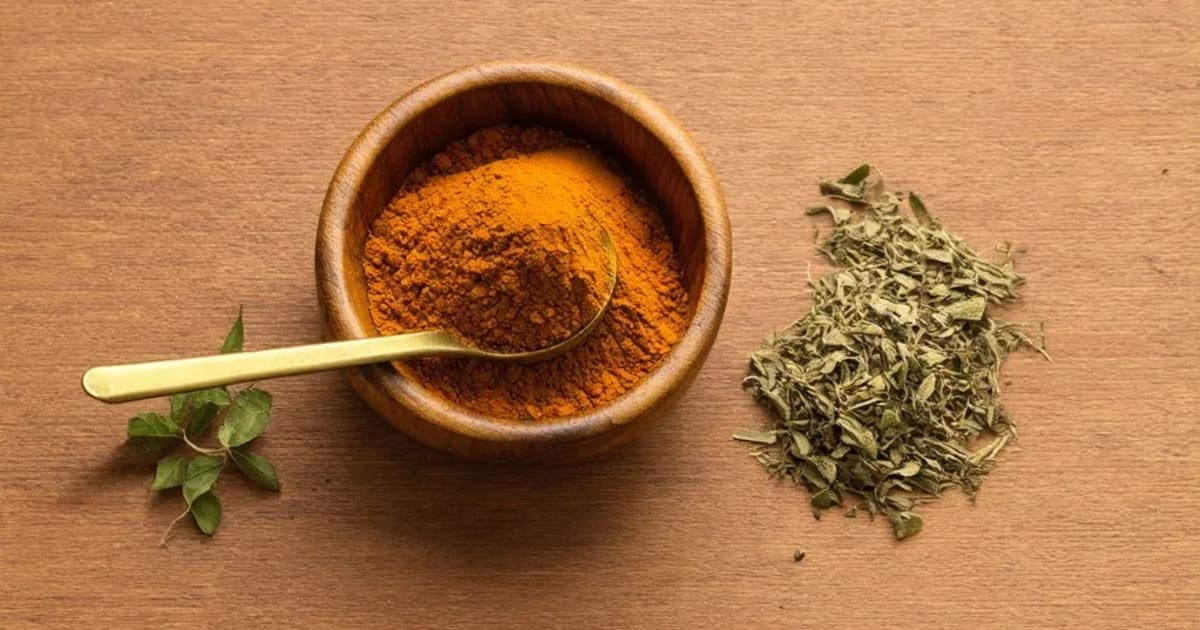
In the kitchen of an experienced Ayurvedic practitioner, this is not a daily tonic but a targeted intervention. When the stomach turns into a chaotic storm, Gangadhara Churna acts as the anchor. It combines ingredients with a distinctively dry, bitter, and astringent taste profile. You might notice the powder feels light and rough to the touch, a physical quality that helps it absorb excess fluid in the gut immediately. This is not about flavor; it is about the pharmacological reality that astringent tastes tighten tissues, while bitter tastes clear the blood of the heat causing the inflammation.
What are the specific Ayurvedic properties of Gangadhara Churna?
The therapeutic power of Gangadhara Churna comes from its unique combination of five fundamental properties: Rasa (taste), Guna (quality), Virya (potency), Vipaka (post-digestive effect), and Prabhava (special action). These properties explain why it stops bleeding and heals the gut lining without causing constipation or stagnation.
| Property (Sanskrit) | Value | What it means for your body |
|---|---|---|
| Rasa (Taste) | Kashaya (Astringent), Tikta (Bitter) | Astringency tightens loose tissues and stops bleeding; Bitterness detoxifies and reduces Pitta heat. |
| Guna (Quality) | Laghu (Light), Ruksha (Dry) | Lightness ensures quick absorption; dryness helps absorb excess moisture and mucus in the intestines. |
| Virya (Potency) | Sheeta (Cooling) | Cooling potency soothes the burning sensation in the stomach and reduces inflammation. |
| Vipaka (Post-digestive effect) | Katu (Pungent) | The digestion process ends with a mild heating effect that aids metabolism without reigniting the initial inflammation. |
It is worth noting that the combination of Astringent and Bitter tastes is rare in single herbs but essential here. As the great physician Vagbhata noted in the Astanga Hridayam, the synergy of these tastes creates a "stopping" effect that is crucial for dysentery where the body is losing fluids rapidly. The cooling Virya is the most critical factor for Pitta-type diarrhea, which often presents with a burning sensation and yellow or green stools.
Which doshas does Gangadhara Churna balance and aggravate?
Gangadhara Churna primarily balances Vata and Pitta doshas, making it the go-to remedy when diarrhea is caused by stress, anxiety, or excessive heat in the body. It calms the erratic movement of Vata in the intestines and cools the fiery inflammation of Pitta. However, because it is dry and light, it can aggravate Kapha if used unnecessarily or for too long.
People with a Kapha constitution—those who tend toward congestion, heaviness, or slow digestion—should use this herb with caution. If a person already suffers from watery stools due to a cold, damp Kapha imbalance, adding a dry, astringent powder might worsen the stagnation or lead to mucus buildup. The rule of thumb is simple: use it to stop the fire and the wind, but do not use it to freeze the water. Once the acute symptoms subside, the dosage should be tapered to prevent the dryness from affecting the mucosal lining negatively.
How do you actually take Gangadhara Churna?
In traditional practice, the preparation method changes based on the severity of the symptoms. For acute diarrhea, the powder is often mixed with warm water or buttermilk. The buttermilk adds probiotics and fat, which protects the stomach lining while the powder does its work. For children or those with severe weakness, it might be mixed with a small amount of honey to make it palatable and to add a gentle coating effect. The taste is undeniably bitter and drying, so it is rarely taken on an empty stomach unless the patient is in a state of severe distress where absorption speed is the only priority.
Is Gangadhara Churna safe for everyone?
While Gangadhara Churna is a time-tested remedy, it is not a substitute for medical care in cases of severe dehydration or blood in the stool. It is generally safe for short-term use in adults and children under supervision, but pregnant women and nursing mothers should consult a practitioner before taking it. The drying nature of the herb can sometimes lead to hard stools if taken after the diarrhea has already resolved, so stopping at the right time is as important as starting it. If you experience increased dryness, thirst, or constipation, discontinue use immediately.
Frequently Asked Questions
What is the main use of Gangadhara Churna in Ayurveda?
Gangadhara Churna is primarily used to treat acute diarrhea (Atisara) and dysentery (Pravahika) by astringing the intestinal lining and cooling internal inflammation. It is especially effective for Pitta-type diarrhea characterized by burning sensations and loose, frequent stools.
Does Gangadhara Churna cause constipation?
Yes, if taken for too long or after the diarrhea has resolved, its strong astringent and dry properties can lead to constipation. It is designed for acute episodes and should be stopped once bowel movements normalize to avoid hardening the stool excessively.
Can I take Gangadhara Churna with milk?
While buttermilk is the traditional vehicle for this powder, warm milk is sometimes used for children to add a soothing, nourishing element. However, if the diarrhea is caused by lactose intolerance or a heavy Kapha imbalance, water or buttermilk is preferred to avoid adding heaviness to the digestive system.
Is Gangadhara Churna safe for children?
It is safe for children when the dosage is adjusted for their age and weight, but it should always be administered under the guidance of an Ayurvedic practitioner. Children lose fluids quickly, so professional oversight ensures the powder stops the diarrhea without causing dehydration or electrolyte imbalance.
Disclaimer: This content is for educational purposes only and does not constitute medical advice. Ayurvedic treatments should be personalized by a qualified practitioner. If you have severe symptoms, blood in stool, or signs of dehydration, seek immediate medical attention.
Frequently Asked Questions
What is Gangadhara Churna used for in Ayurveda?
Gangadhara Churna is primarily used as a Absorbent and Astringent/Binding in Ayurvedic medicine. A classical powder used specifically for diarrhea and dysentery (Atisara and Pravahika). It pacifies Vata, Pitta dosha.
How should I take Gangadhara Churna?
Gangadhara Churna can be taken as powder (1/2-1 tsp with warm water or milk), decoction (boil 1 tsp in water), or tablets (1-2 daily). Always start with a low dose and consult an Ayurvedic practitioner for personalized guidance.
Is Gangadhara Churna safe during pregnancy?
Pregnant and nursing women should not take Gangadhara Churna without consulting their doctor first. Most Ayurvedic herbs require medical supervision during pregnancy.
Which dosha does Gangadhara Churna balance?
Gangadhara Churna pacifies Vata, Pitta. Excessive use may increase Kapha dosha.
Can I take Gangadhara Churna daily?
Gangadhara Churna can be taken daily in recommended doses for 4-8 weeks. After that, take a 2-week break before resuming. Long-term use should be supervised by a qualified Ayurvedic practitioner.
What are the side effects of Gangadhara Churna?
When taken in recommended doses, Gangadhara Churna is generally safe. Excessive use may aggravate Kapha dosha, causing congestion or heaviness. Stop use if you experience any adverse reaction.
Related Articles
The Timeless Benefits of Triphala: An Ayurvedic Powerhouse
Discover the transformative benefits of Triphala, an ancient Ayurvedic blend of three fruits that supports digestion, immunity, weight management, and overall vitality.
5 min read
The Divine Benefits of Tulsi (Holy Basil) in Ayurveda
Discover the sacred benefits of Tulsi (Holy Basil) in Ayurveda. From boosting immunity and reducing stress to supporting heart health and digestion, learn how this divine herb can transform your well-being.
4 min read
The Remarkable Benefits of Giloy: An Ayurvedic Powerhouse
Discover the profound health benefits of Giloy, the Ayurvedic 'root of immortality.' Learn how this powerful herb boosts immunity, manages diabetes, improves digestion, and supports skin, hair, and bone health.
5 min read
The Remarkable Benefits of Ashwagandha: An Ayurvedic Perspective
Discover the ancient wisdom of Ashwagandha, a powerful Ayurvedic adaptogen known for reducing stress, boosting immunity, improving sleep, and enhancing physical strength.
4 min read
Brihatyadi Kashayam: Natural Relief for Urinary Tract Disorders and Cystitis
Brihatyadi Kashayam is a cooling Ayurvedic decoction that targets urinary burning and cystitis by balancing Vata and Pitta. Unlike standard teas, this concentrated liquid extract is specifically designed to reduce inflammation in the bladder lining while flushing out toxins.
5 min read
Asphota: Ayurvedic Brain Tonic, Calming Herb & Blood Purifier
Often overlooked, Asphota is a cooling, bitter herb that acts as a gentle brain tonic and blood purifier. While it shares traits with the popular Aparajita, its unique astringent quality makes it particularly effective for stopping bleeding and soothing inflamed tissues.
6 min read
References & Sources
This article is based on principles from classical Ayurvedic texts including Charaka Samhita, Sushruta Samhita, and Ashtanga Hridaya. Content has been reviewed for accuracy by our editorial team. For specific medical conditions, always consult a qualified Ayurvedic practitioner or healthcare provider.
- • Charaka Samhita (चरक संहिता)
- • Sushruta Samhita (सुश्रुत संहिता)
- • Ashtanga Hridaya (अष्टांग हृदय)
Found an error in this article? Let us know