
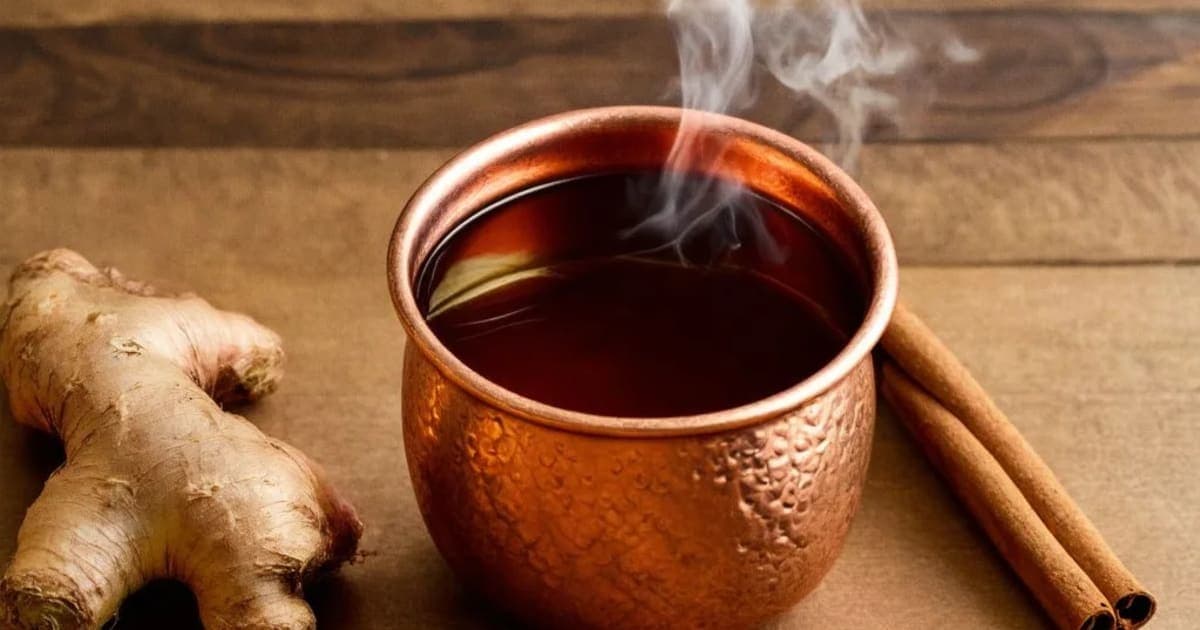
Gandharvahastadi Kashayam: Relief for Constipation and Vata Pain | Ayurvedic Guide
Expert Reviewed
Reviewed by AyurvedicUpchar Editorial Team
What is Gandharvahastadi Kashayam and how does it work?
Gandharvahastadi Kashayam is a traditional Ayurvedic decoction centered on the root of the Castor plant (Eranda), formulated specifically to treat chronic constipation, Vata-type joint pain, and abdominal bloating. Unlike modern laxatives that force evacuation, this herbal brew works by lubricating the intestinal tract and kindling the digestive fire (Agni) to move waste naturally. It is a warming preparation that balances the airy, dry qualities of Vata dosha while clearing blockages in the channels.
While often called a simple laxative, classical texts like the Charaka Samhita classify it as a potent Vatahara (Vata pacifier) used for conditions ranging from sciatica to severe gas. The name itself offers a clue: "Gandharvahasta" refers to the plant's root resembling a hand, believed to grasp and pull out toxins from deep tissues. In a household setting, an Ayurvedic grandmother might describe it as the remedy that "warms the belly from the inside out," turning cold, stagnant digestion into a smooth flow.
What are the specific Ayurvedic properties of Gandharvahastadi Kashayam?
The therapeutic power of Gandharvahastadi Kashayam comes from its unique combination of tastes and energies: it is sweet and pungent in taste, light yet oily in quality, and has a heating potency that stimulates metabolism. This specific profile allows it to nourish tissues while simultaneously clearing blockages, making it effective for dry constipation where the stool is hard and difficult to pass.
When you drink this decoction, the sweet taste provides a grounding, nourishing effect that calms the mind, while the pungent quality cuts through mucus and stimulates circulation. The heating energy (Ushna Virya) is crucial; it acts like a internal heater that melts away the "ice" of Vata stagnation. As noted in the Bhavaprakash Nighantu, this combination ensures the herb reaches deep into the colon to soften stool without causing the cramping often associated with harsh stimulants.
Gandharvahastadi Kashayam is a unique Ayurvedic formulation where the heating potency of the Castor root is balanced by sweet post-digestive effects, allowing it to clear constipation while nourishing the body rather than depleting it.
| Property (Sanskrit) | Value | What it means for your body |
|---|---|---|
| Rasa (Taste) | Madhura, Katu | Provides nourishment and tissue building while stimulating digestion and clearing Kapha congestion. |
| Guna (Quality) | Laghu, Snigdha | Light enough to move quickly through the system, yet oily enough to lubricate dry bowels and joints. |
| Virya (Potency) | Ushna | Heating energy that ignites Agni (digestive fire) and improves circulation in cold, stiff areas. |
| Vipaka (Post-digestive effect) | Madhura | The digestion process ends with a sweet, grounding effect that stabilizes the nervous system. |
Who benefits most from taking Gandharvahastadi Kashayam?
Gandharvahastadi Kashayam is primarily indicated for individuals with a Vata imbalance, specifically those suffering from dry constipation, joint stiffness, lower back pain, and anxiety-related digestive issues. It is the go-to remedy when constipation is accompanied by gas, bloating, or a feeling of incomplete evacuation, as it addresses the root cause of dryness and lack of movement.
However, because the decoction is heating and pungent, people with a dominant Pitta constitution or active inflammation must use it with caution. If you have a sensitive stomach, acid reflux, or inflammatory bowel conditions, the heating nature of the Castor root could aggravate your Pitta, leading to burning sensations or skin rashes. In these cases, a practitioner might adjust the formula or pair it with cooling herbs like coriander or fennel to balance the heat.
How is Gandharvahastadi Kashayam traditionally prepared and taken?
In clinical practice, Gandharvahastadi Kashayam is taken as a warm decoction, usually 15 to 30 ml, often mixed with warm water or ghee to enhance its lubricating effects. It is best consumed in the early morning on an empty stomach or before bedtime, depending on whether the goal is morning bowel movement relief or overnight tissue repair. A common home tip is to add a pinch of rock salt to the warm drink, which helps draw the herbal properties deeper into the colon.
What are the side effects and precautions for Gandharvahastadi Kashayam?
While effective, Gandharvahastadi Kashayam is not suitable for everyone; it should be avoided during pregnancy, acute diarrhea, or severe abdominal pain of unknown origin. The heating potency can irritate the stomach lining if taken on an empty stomach by those with high Pitta, and prolonged use without supervision may lead to dependency or electrolyte imbalance.
Specifically, if you experience burning in the stomach, excessive thirst, or skin irritation after taking it, these are signs that the herb is aggravating your Pitta dosha. It is also important to note that this is a therapeutic medicine, not a daily tonic; once regular bowel movements are established, the dosage should be tapered off under the guidance of an Ayurvedic physician to prevent the body from losing its natural ability to move waste.
Unlike synthetic laxatives that can damage the colon's natural nerve function, Gandharvahastadi Kashayam restores the peristaltic rhythm of the gut by addressing the underlying dryness and coldness of Vata dosha.
Frequently Asked Questions about Gandharvahastadi Kashayam
Can I take Gandharvahastadi Kashayam every day?
No, this decoction is intended for short-term therapeutic use to reset digestion and clear blockages, not as a daily supplement. Long-term daily use can lead to dependency and may aggravate Pitta due to its heating nature. Always consult an Ayurvedic practitioner to determine the correct duration of treatment for your specific condition.
Does Gandharvahastadi Kashayam help with weight loss?
It is not a weight-loss herb, though it may aid in weight management by improving digestion and eliminating bloating caused by constipation. Its primary action is to clear the channels and reduce Vata, which can make the abdomen feel lighter, but it does not directly burn fat or suppress appetite.
Is Gandharvahastadi Kashayam safe for children?
It can be used for children with severe constipation, but the dosage must be significantly reduced and carefully calculated by a pediatric Ayurvedic specialist. Children have more sensitive digestive systems, and the heating potency of the Castor root requires precise balancing with other mild herbs to ensure safety.
What is the difference between this and Castor Oil?
While both come from the Castor plant, Gandharvahastadi Kashayam is a decoction containing the root and other supporting herbs, making it gentler and more balanced than pure Castor oil. The decoction includes herbs that mitigate the harshness of the oil, providing a warming, nourishing effect that pure oil lacks, making it suitable for Vata conditions beyond just constipation.
Disclaimer: This content is for educational purposes only and does not constitute medical advice. Ayurvedic treatments should be personalized based on your unique constitution (Prakriti) and current state of balance (Vikriti). Always consult a qualified Ayurvedic practitioner before starting any new herbal regimen, especially if you are pregnant, nursing, or taking prescription medications.
Frequently Asked Questions
What is Gandharvahastadi Kashayam used for in Ayurveda?
Gandharvahastadi Kashayam is primarily used as a Purgative and Vatahara in Ayurvedic medicine. A decoction with Castor root, it is a safe and effective laxative and carminative for Vata conditions. It pacifies Vata dosha.
How should I take Gandharvahastadi Kashayam?
Gandharvahastadi Kashayam can be taken as powder (1/2-1 tsp with warm water or milk), decoction (boil 1 tsp in water), or tablets (1-2 daily). Always start with a low dose and consult an Ayurvedic practitioner for personalized guidance.
Is Gandharvahastadi Kashayam safe during pregnancy?
Pregnant and nursing women should not take Gandharvahastadi Kashayam without consulting their doctor first. Most Ayurvedic herbs require medical supervision during pregnancy.
Which dosha does Gandharvahastadi Kashayam balance?
Gandharvahastadi Kashayam pacifies Vata. Excessive use may increase Pitta dosha.
Can I take Gandharvahastadi Kashayam daily?
Gandharvahastadi Kashayam can be taken daily in recommended doses for 4-8 weeks. After that, take a 2-week break before resuming. Long-term use should be supervised by a qualified Ayurvedic practitioner.
What are the side effects of Gandharvahastadi Kashayam?
When taken in recommended doses, Gandharvahastadi Kashayam is generally safe. Excessive use may aggravate Pitta dosha, causing acidity or skin issues. Stop use if you experience any adverse reaction.
Related Articles
The Timeless Benefits of Triphala: An Ayurvedic Powerhouse
Discover the transformative benefits of Triphala, an ancient Ayurvedic blend of three fruits that supports digestion, immunity, weight management, and overall vitality.
5 min read
The Divine Benefits of Tulsi (Holy Basil) in Ayurveda
Discover the sacred benefits of Tulsi (Holy Basil) in Ayurveda. From boosting immunity and reducing stress to supporting heart health and digestion, learn how this divine herb can transform your well-being.
4 min read
The Remarkable Benefits of Giloy: An Ayurvedic Powerhouse
Discover the profound health benefits of Giloy, the Ayurvedic 'root of immortality.' Learn how this powerful herb boosts immunity, manages diabetes, improves digestion, and supports skin, hair, and bone health.
5 min read
The Remarkable Benefits of Ashwagandha: An Ayurvedic Perspective
Discover the ancient wisdom of Ashwagandha, a powerful Ayurvedic adaptogen known for reducing stress, boosting immunity, improving sleep, and enhancing physical strength.
4 min read
Brihatyadi Kashayam: Natural Relief for Urinary Tract Disorders and Cystitis
Brihatyadi Kashayam is a cooling Ayurvedic decoction that targets urinary burning and cystitis by balancing Vata and Pitta. Unlike standard teas, this concentrated liquid extract is specifically designed to reduce inflammation in the bladder lining while flushing out toxins.
5 min read
Asphota: Ayurvedic Brain Tonic, Calming Herb & Blood Purifier
Often overlooked, Asphota is a cooling, bitter herb that acts as a gentle brain tonic and blood purifier. While it shares traits with the popular Aparajita, its unique astringent quality makes it particularly effective for stopping bleeding and soothing inflamed tissues.
6 min read
References & Sources
This article is based on principles from classical Ayurvedic texts including Charaka Samhita, Sushruta Samhita, and Ashtanga Hridaya. Content has been reviewed for accuracy by our editorial team. For specific medical conditions, always consult a qualified Ayurvedic practitioner or healthcare provider.
- • Charaka Samhita (चरक संहिता)
- • Sushruta Samhita (सुश्रुत संहिता)
- • Ashtanga Hridaya (अष्टांग हृदय)
Found an error in this article? Let us know